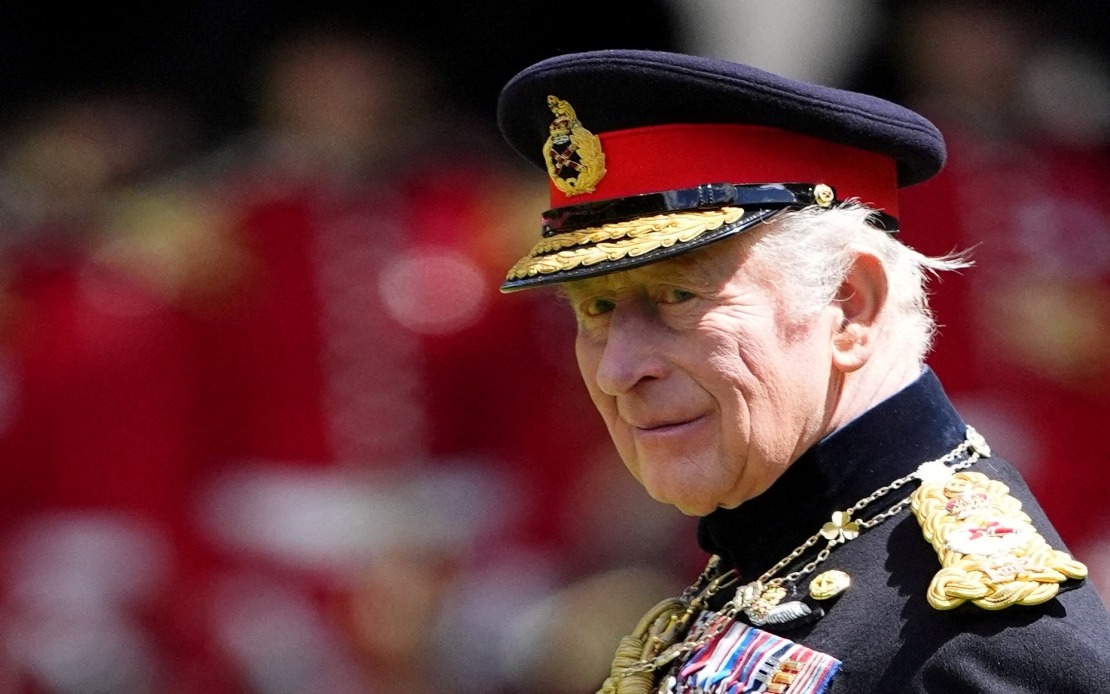
King Charles III has made constitutional history by becoming the first reigning British monarch to publicly disclose his personal income tax payments, with Buckingham Palace announcing on Thursday that the sovereign paid £12.9 million during the 2024-2025 tax year. This unprecedented transparency move marks a significant shift in how the Royal Household presents its finances to the public and represents a deliberate effort to demystify the monarchy's considerable resources. The disclosure comes as part of broader efforts by the palace to improve accountability and public understanding of how royal finances operate, addressing long-standing public curiosity about the funding mechanisms that support the crown.
The figure released represents the first occasion in British history that a reigning monarch's personal tax liability has been made public knowledge. For context, the previous tax year saw King Charles III contribute £11.7 million to the exchequer, demonstrating substantial year-on-year consistency in his personal tax obligations. Since his accession to the throne in September 2022, the king's cumulative tax payments have exceeded £30 million, a remarkable sum that underscores the financial burden undertaken by the current sovereign. The consistent pattern of significant payments illustrates the crown's substantial personal wealth and the monarch's commitment to contributing to the state despite legal exemptions that would otherwise apply.
Under British law, the reigning monarch enjoys complete exemption from income tax, capital gains tax, and inheritance tax obligations—a longstanding constitutional privilege rooted in the principle that the Crown cannot tax itself. However, beginning in the 1990s, the royal family implemented a voluntary arrangement under which successive sovereigns have chosen to pay income and capital gains taxes on their personal holdings. This self-imposed obligation represents a modernisation of royal practice, reflecting evolving public expectations regarding financial accountability and the monarch's role within a modern democratic society. King Charles III adopted this voluntary tax-paying arrangement during his decades as Prince of Wales, establishing a precedent that he has maintained and expanded since his accession.
The king's personal income derives from multiple sources, including returns on his personal investment portfolio and crucially, the substantial revenues generated by his privately owned estates at Balmoral in Scotland and Sandringham in Norfolk. These properties, which serve both as personal residences and significant landholdings, generate considerable income through agricultural operations, forestry, tourism, and other commercial activities. The distinction between these private holdings and state-owned Crown Estate properties is crucial; while the Crown Estate generates far larger revenues that flow to the Treasury, the personal estates generate income that funds the monarch's private expenses and personal charitable work. This dual system of royal finances has evolved over centuries and represents a complex arrangement that the palace has sought to clarify for public understanding.
Buckingham Palace simultaneously released an expanded document detailing the various sources of royal revenue, acknowledging that public confusion about royal financing persists. James Chalmers, the keeper of the Privy Purse—the official responsible for managing the monarch's finances—commented that while royal financial arrangements may appear intricate on the surface, the underlying principles are firmly established in law and have been refined over time. His statement emphasised that the system is specifically designed to ensure the monarch can serve the nation with both independence from political pressure and appropriate accountability mechanisms. This framing suggests the palace views financial transparency as essential to maintaining public confidence in the institution.
The disclosure of these figures holds particular resonance in the contemporary political climate, where public institutions across democracies face increasing scrutiny regarding financial management and transparency. In the United Kingdom specifically, the monarchy has faced periodic criticism regarding its substantial wealth and the extent to which financial arrangements remain opaque to ordinary citizens. By proactively releasing this information, King Charles III appears to be positioning the crown as an institution willing to submit to modern standards of financial accountability, thereby potentially deflating criticism based on perceived secrecy. For Commonwealth nations including those in Southeast Asia with historical ties to the British monarchy, such transparency may influence public perceptions of the institution's modern relevance.
The timing of this disclosure—occurring during King Charles III's early years as sovereign—suggests a deliberate strategy to establish precedent for royal financial openness. Unlike Queen Elizabeth II, who reigned for seven decades without making such disclosures, the current king appears committed to demonstrating that the crown can operate within frameworks of public accountability. This represents a notable generational shift in how the monarchy presents itself, aligning with broader trends toward institutional transparency that have gained momentum globally. The decision to disclose personal tax payments may also reflect advice from modernisation-focused advisors within the Royal Household who recognize that public trust increasingly depends on demonstrable openness.
The distinction between the monarch's personal finances and the state's finances remains crucial to understanding these figures. The £12.9 million paid in personal taxes represents the sovereign's contribution on his private wealth and income sources, not compensation from the state. Separately, the Crown receives the Sovereign Grant, a taxpayer-funded annual payment that supports the official business of the monarchy and maintenance of royal palaces. These are entirely separate systems, though public understanding of this distinction has historically been limited. The palace's accompanying documentation appears designed to clarify precisely this distinction, recognising that confusion between personal and official royal finances has fuelled criticism in the past.
For Southeast Asian observers, this development offers insights into how traditional institutions navigate contemporary demands for transparency and accountability. Many nations in the region maintain monarchies with varying degrees of public financial disclosure, and the British crown's move toward greater openness may influence expectations elsewhere. The example set by King Charles III suggests that even ancient institutions steeped in tradition can adapt to modern governance norms without fundamentally compromising their constitutional role or dignity. The disclosure demonstrates that transparency and tradition need not be opposing forces, but can coexist within carefully structured frameworks.
Looking forward, the establishment of this precedent appears likely to continue, with future annual financial disclosures becoming routine. The keeper of the Privy Purse's statement suggests this represents not a one-time gesture but an ongoing commitment to greater openness in royal financial affairs. Should this pattern continue and expand to include additional details about royal income sources and expenditures, it would represent a gradual but significant modernisation of royal governance practices. The success of this initiative in building public confidence may well influence how other institutions, both within the Commonwealth and globally, approach questions of institutional transparency.

