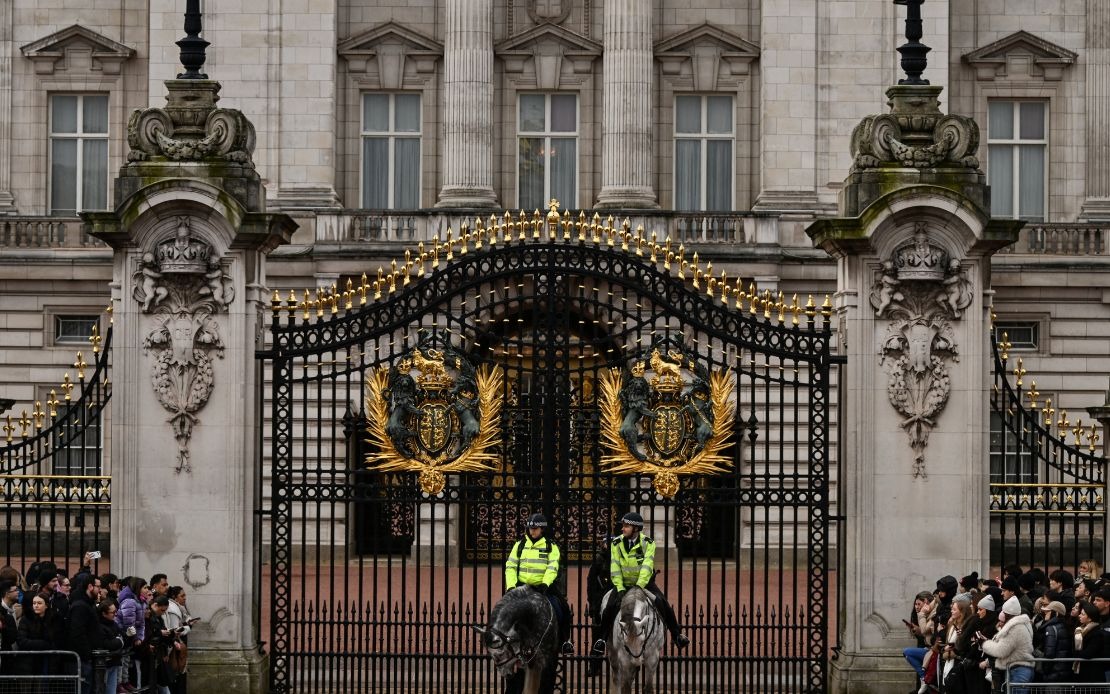
Britain's Royal Household has clarified that King Charles III and Queen Camilla will retain Buckingham Palace as the ceremonial heart of the monarchy following the completion of extensive renovations, though the iconic London residence will not serve as their personal home. The announcement, made Thursday through a statement on royal finances, underscores the Palace's enduring symbolic importance to the institution while reflecting contemporary approaches to royal residency and public engagement.
The sovereign and his consort intend for Buckingham Palace to function primarily as a venue for state occasions, official receptions, and the full spectrum of ceremonial duties that define contemporary monarchy. This arrangement allows the couple to maintain the Palace's traditional role as the principal workplace of the Royal Household whilst separating their private living arrangements. The distinction between ceremonial use and residential occupation represents a pragmatic modernisation of royal practice, enabling streamlined operations and more focused heritage stewardship.
According to the Royal Household's financial statement, the Palace will continue evolving as a national heritage asset with substantially expanded public access. This dual purpose—functioning simultaneously as an operational centre for state business and a tourist destination—reflects broader trends across European monarchies toward greater transparency and public engagement with royal institutions. The emphasis on heritage accessibility suggests the Palace will serve educational and cultural functions alongside its ceremonial role, potentially attracting international visitors and reinforcing the institution's relevance to contemporary society.
The extensive refurbishment programme, now in its ninth year of a planned ten-year cycle, represents one of the most significant maintenance projects undertaken at the Palace in decades. The scale and duration of this undertaking highlight the structural and infrastructural challenges facing historic royal residences, particularly regarding the integration of modern systems while preserving architectural and aesthetic integrity. Completion of this phase will mark a transition from intensive construction management to full operational deployment of the renovated facility.
During the 2025-2026 financial year, the Palace and other royal residences hosted approximately 827 events attended by nearly 97,000 guests, demonstrating the substantial ceremonial and diplomatic functions these venues continue to perform. This volume of activity underscores the operational demands placed on royal facilities and justifies continued investment in their maintenance and modernisation. The figures also illustrate how effectively these historic spaces serve contemporary governance and state purposes, from bilateral meetings to major state banquets.
The Sovereign Grant, which provides public funding for the monarch's official functions and maintenance of occupied royal palaces, increased to £132.1 million for the 2025-2026 financial year. From this allocation, £67.5 million was designated specifically for preservation and protection of occupied royal residences, reflecting government commitment to sustaining these institutions as functional and heritage assets. This funding mechanism, whilst occasionally subject to public scrutiny, ensures that palaces remain adequately resourced for both operational and conservation purposes.
For Malaysian and Southeast Asian observers, the arrangement illustrates how established constitutional monarchies manage the tension between heritage preservation and contemporary governance. The decision to maintain Buckingham Palace primarily as a ceremonial venue rather than a royal residence reflects evolving perspectives on resource allocation and institutional sustainability. Many Commonwealth realms, including Malaysia, maintain similar palace complexes that balance ceremonial importance with operational costs and public expectations regarding access and stewardship.
The refurbishment project itself demonstrates substantial financial commitment to heritage conservation. Beyond immediate structural repairs, such programmes typically address safety systems, environmental efficiency, accessibility standards, and security infrastructure—investments that ensure these venues meet modern operational requirements whilst preserving their historical character. The nine-year timeline indicates the complexity of undertaking major renovations whilst maintaining operational continuity at a venue of such ceremonial and symbolic significance.
Public perceptions of royal expenditure remain significant across Commonwealth nations. By clearly delineating how royal facilities will be utilised and funding allocated, the Royal Household addresses accountability expectations. The emphasis on heritage access and public-facing functions helps contextualise investment in these properties as cultural assets serving broader national interests rather than purely personal royal requirements. This transparency approach reflects institutional adaptation to contemporary expectations regarding official expenditure and public value.
The arrangement also carries implications for understanding monarchy's evolving role in modern governance. By concentrating ceremonial functions in designated palaces whilst maintaining separate private residences, royal institutions can project both continuity with historical tradition and flexibility in contemporary practice. For Buckingham Palace specifically, this positioning as the ceremonial centre rather than a residential space may enhance its symbolic resonance as the physical embodiment of constitutional authority and state grandeur.
The completion of the Buckingham Palace refurbishment represents a milestone for British heritage conservation and royal institutional management. The successful conclusion of this extensive project will demonstrate how historic venues can be sustainably maintained whilst serving evolving public and governmental purposes. The outcome offers relevant lessons for other Commonwealth nations managing their own heritage palaces and ceremonial spaces within constraints of modern budgeting and operational requirements.

