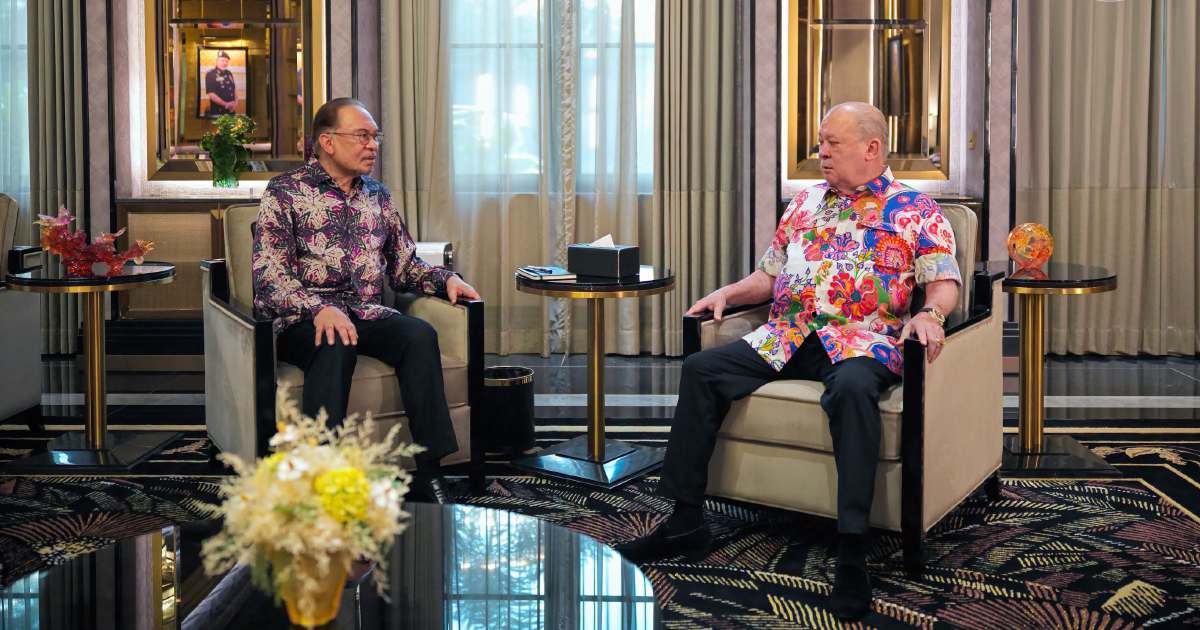
Malaysia's ruler has commenced pre-Merdeka protocol by convening with the nation's head of government at the royal residence in Kuala Lumpur. The audience between His Majesty Sultan Ibrahim, King of Malaysia, and Prime Minister Datuk Seri Anwar Ibrahim at Istana Bukit Tunku signals the formal opening of engagements ahead of tomorrow's commemorations of the country's 69 years of independence.
Merdeka Day, observed annually on August 31st, represents a pivotal moment in Malaysian history and remains one of the most significant occasions on the nation's calendar. The ceremonial convention of the Ruler meeting with the Prime Minister before the national holiday underscores the constitutional framework that binds the monarchy and the government in stewardship of the country's institutional life. Such audiences serve as occasions to brief the sovereign on matters of state and coordinate the messaging that will accompany the celebrations.
The gathering takes place within weeks of the current administration's legislative agenda and against a backdrop of Malaysia's ongoing economic recovery efforts. The audience format reflects established protocols governing the relationship between Malaysia's constitutional monarchy and its parliamentary executive, a hallmark of the country's political architecture since federation. Through such formal engagements, the sovereign maintains direct oversight of governmental affairs whilst preserving the ceremonial and custodial role ordained by the Federal Constitution.
Instana Bukit Tunku, the official residence of Malaysia's reigning monarch, has long served as the venue for state business of the highest order. The palace complex, situated prominently in Kuala Lumpur's administrative precinct, houses the Ruler's private quarters and formal audience chambers where matters of constitutional significance are transacted. The choice of venue affirms the ceremonial weight accorded to discussions concerning the nation's founding principles and ongoing governance.
Merdeka Day observances typically encompass flag-hoisting ceremonies, military parades, and nationwide festivities that celebrate Malaysian independence achieved from British colonial rule on August 31, 1957. The 69th iteration of these celebrations will likely feature the customary array of patriotic displays, though the specific programming remains subject to government announcement. The preceding audience between the Ruler and Prime Minister traditionally establishes the tone for these festivities and provides opportunity for coordinate positioning on matters of national importance.
The timing of such audiences reflects institutional practice whereby the monarchy is consulted and apprised of governmental plans prior to major state occasions. Malaysia's constitutional framework vests the Ruler with ceremonial and custodial authority over matters affecting the realm's political and spiritual welfare. Accordingly, protocols mandate that the Prime Minister maintain regular and substantive communication with the sovereign, particularly regarding events of national consequence.
The present administration, led by Anwar Ibrahim since late 2022, has emphasised continuity in honouring Malaysia's founding principles and institutional traditions. The Prime Minister's audience with the Ruler demonstrates commitment to maintaining robust engagement with constitutional institutions, a posture that has characterised the government's approach to sovereign relations since assuming office. This engagement pattern reinforces the collaborative relationship between executive and Crown that underpins Malaysia's system of governance.
Regional observers note that Malaysia's institutional stability, reflected in the orderly conduct of state business between governmental and royal authority, contrasts favourably with democratic challenges elsewhere in Southeast Asia. The regular convening of formal audiences, though routine from a Malaysian perspective, represents a functional model of constitutional monarchy that preserves royal prerogative whilst enabling effective governmental administration. For Malaysians themselves, such ceremonies affirm continuity and adherence to the nation's legal and constitutional foundations.
The prospect of the forthcoming Merdeka Day celebrations invites reflection on Malaysia's journey since 1957 and the ongoing evolution of the nation's institutions. Each annual observance provides occasion to reaffirm the values of unity in diversity, federalism, and respect for constitutional process that have sustained the country through periods of significant transformation. The audience between Sultan Ibrahim and Anwar Ibrahim, whilst procedurally routine, participates in this broader ceremonial reaffirmation of Malaysia's foundational commitments.
Looking forward, the 69th National Day celebrations will encompass not merely historical commemoration but also contemporary affirmation of the nation's identity and constitutional character. The Ruler's engagement with the Prime Minister prior to these festivities ensures alignment between Crown and government on the messaging and symbolism that will frame the occasion. For citizens and observers alike, such observances represent continuity in Malaysia's distinctive constitutional practice and the enduring partnership between monarchy and democratic government.

