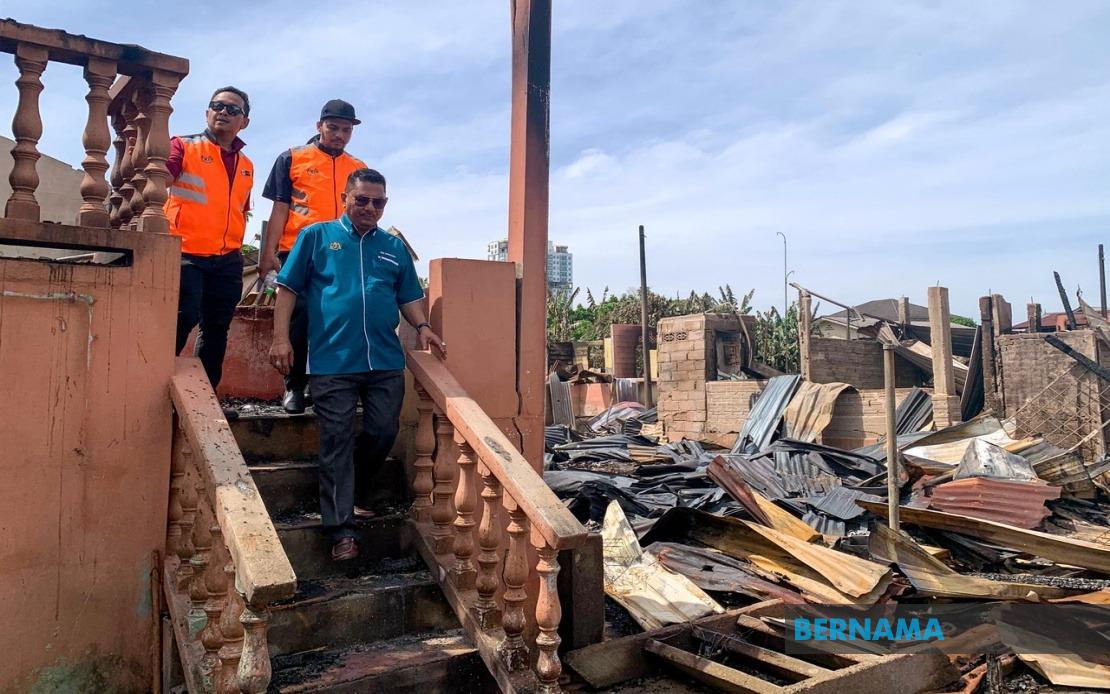
A devastating residential fire that swept through Kampung Gok Kapur in Kota Bharu on June 8 originated from an act of carelessness in a kitchen, according to findings released by the Fire and Rescue Department (JBPM). The incident, which claimed 27 houses, was traced to a direct flame source—a gas lighter—applied deliberately to a pile of papers being burned in the kitchen area of one residence. The investigation represents a cautionary reminder about the serious risks posed by open-flame burning activities in densely populated residential areas, particularly in Kelantan where housing clusters remain vulnerable to rapid fire spread.
Kelantan JBPM director Farhan Sufyan Borhan disclosed that the department's Fire Investigation Forensic Unit conducted a thorough examination of the fire scene, analysing both physical evidence and witness statements to determine the sequence of ignition. The forensic team established that the initial flame contact with the paper pile quickly ignited adjacent combustible materials stored or present within the kitchen space. From this focal point, the fire gained momentum and began consuming the structure housing these materials before jumping to neighbouring dwellings, creating a domino effect of destruction across the settlement. The open-flame method of waste disposal, combined with the proximity of residential structures typical of rural Malaysian villages, created ideal conditions for rapid horizontal spread.
According to the director's statement, the investigation conclusively attributed the disaster to negligence during the burning activity itself. This classification carries significant implications, as it suggests no mechanical failure or external cause—rather, human error and poor judgment in fire safety practices. The findings indicate that whoever initiated the burning did not exercise adequate precautions regarding location, containment, or monitoring of the open flame. Such determinations become foundational for potential legal or administrative action, which JBPM indicated would be forwarded to relevant authorities including police should prosecution be deemed necessary. The assignment of negligence also underscores a persistent gap between public awareness of fire hazards and actual domestic practices in Malaysian communities.
The humanitarian toll of this blaze extended far beyond structural damage. A total of 110 villagers lost their homes in the incident, representing approximately 20 families or more displaced from their community overnight. The evacuation unfolded rapidly, with authorities establishing temporary shelter at the nearby Mukim Banggol Mosque, a common emergency response in rural Kelantan where such facilities serve dual purposes as community centres and disaster relief hubs. While thankfully no fatalities or serious injuries were reported—a mercy that underscores both the effectiveness of early warning systems and community response protocols—the psychological and economic impact on displaced residents remained substantial. Recovery and reconstruction would require coordinated assistance from state and municipal authorities, alongside potential NGO support and community fundraising efforts.
This incident exemplifies vulnerabilities in residential fire prevention across Malaysian rural and semi-urban areas. The deliberate burning of household waste or papers, while increasingly discouraged through municipal waste collection services, persists as a practice in communities with limited access to formal refuse management infrastructure or where traditional disposal methods remain habitual. Kitchens, being spaces concentrated with flammable materials—cooking oils, packaging, textiles, and wooden structures—represent particularly hazardous locations for such activities. The lack of proper ventilation, limited space for fire containment, and proximity to sleeping areas and neighbouring homes create a perfect storm of risk factors that authorities have repeatedly warned against through public safety campaigns.
The JBPM's public advisories following this investigation emphasised the critical importance of abandoning open-flame burning practices in and around residential zones. Official guidance now reinforces that even small-scale paper or waste burning poses unacceptable risk in populated areas where houses are built in close proximity to one another. For Malaysian communities, particularly in states like Kelantan where traditional settlement patterns concentrate housing densely, a single residential fire can rapidly become a multi-house catastrophe. This incident provides stark evidence supporting the systematic shift toward municipal waste collection services and community education initiatives aimed at eliminating dangerous household burning practices altogether.
The investigation's findings will be transmitted to police and other relevant agencies for determination of whether formal charges or administrative action should follow. Depending on jurisdiction-specific regulations and prosecutorial discretion, such negligence-caused fire incidents can potentially result in criminal charges under fire safety legislation or civil liability for damages incurred by affected neighbours. The precedent set by how authorities handle this case may influence public compliance with fire prevention advisories in the region, sending either a strong deterrent message or suggesting insufficient consequences. In comparable Southeast Asian jurisdictions, such incidents often prompt regulatory tightening and enhanced inspection regimes for residential areas, though enforcement remains challenging in informal settlements or low-income housing clusters.
Beyond immediate investigation and potential prosecution, this fire underscores the necessity for enhanced community fire safety education tailored to rural Malaysian contexts. Standard urban fire prevention messaging—relying on municipal services, professional waste management, and built-in safety systems—may not resonate or remain applicable in areas where residents rely on self-sufficiency and traditional practices. Effective prevention requires engaging community leaders, religious figures, and local organisations to embed fire safety as a cultural and social norm rather than merely a regulatory requirement. Such grassroots approaches, combined with practical improvements in early warning systems and accessible emergency response capabilities, could substantially reduce the frequency of such preventable disasters across Kelantan and similar regions.