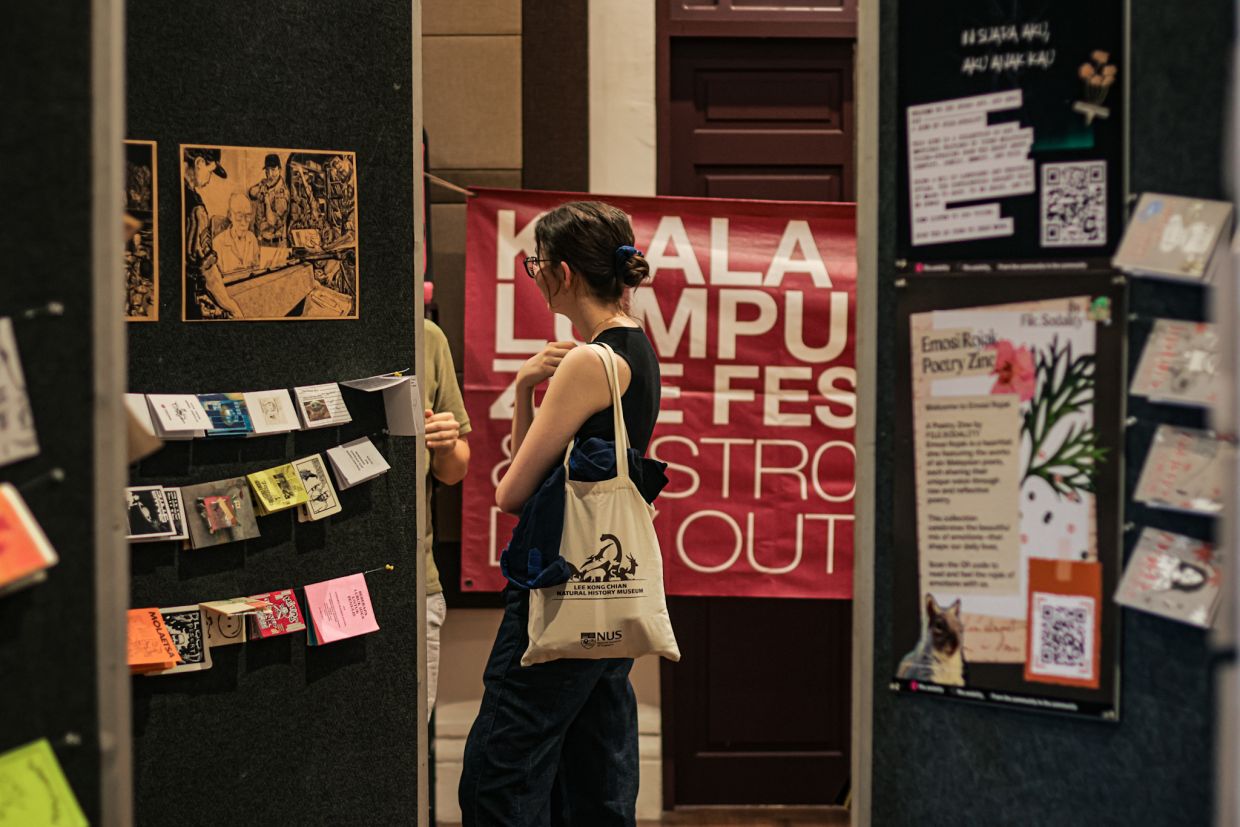
Malaysia's independent publishing scene is poised to take centre stage once again as the KL Zine Etc festival (KLZE) returns for its second iteration, cementing its position as a key fixture in Kuala Lumpur's thriving alternative arts landscape. The festival, which occupies the first floor of a heritage trade hall, showcases the depth and vitality of a creative movement that thrives largely outside conventional publishing channels, drawing together a community of self-publishers, independent zinemakers, artists and printmakers who collectively represent the beating heart of grassroots cultural production in the region.
Building on the momentum of its inaugural outing, KLZE has experienced significant growth, nearly doubling its vendor presence from 30 participants to more than 50. This expansion reflects not merely increased interest, but a fundamental shift in how Malaysia's creative communities view their own platforms and outlets. The festival celebrates what organisers describe as the merdeka spirit inherent to zine culture—a commitment to independence, self-determination and the democratisation of creative expression that has characterised underground publishing movements globally and continues to resonate powerfully within Malaysian contexts.
At its core, the three-day programme weaves together multiple dimensions of independent culture and activism. The festival features curated exhibitions, immersive workshops, documentary screenings and live musical performances, creating an environment that encourages both passive appreciation and active participation. The thematic centrepiece this year focuses on anti-war messaging, grounding the celebration of DIY creativity within broader conversations about conflict, peace and social responsibility. Rather than remaining abstract or removed, the organisers have deliberately framed this theme to encompass not only geopolitical conflicts but also the internal struggles individuals experience through mental health challenges, identity formation and ideological difference.
The concept of establishing "ceasefire zones" represents a particularly thoughtful curatorial choice, transforming the festival grounds into intentional spaces for dialogue, reflection and shared understanding. According to statements from the KLZE organising committee, the festival aims to facilitate both conversation and reconciliation, inviting participants to create their own zones of safety where ideas can be exchanged freely and vulnerably. This framing elevates the festival beyond a typical marketplace event, positioning it instead as a gathering with genuine social and political consciousness.
The breadth of content on display underscores the sophistication of Malaysia's independent publishing ecosystem. Exhibitors and participating vendors explore a remarkable range of themes and formats, from contemporary fanzines and punk aesthetics to folk narratives, indigenous activism, graphic novels and comics. Environmental advocacy, feminist perspectives, role-playing games and experimental visual formats all find representation, illustrating how zine culture functions as a vehicle for marginalised voices and alternative worldviews that mainstream media often overlooks or excludes entirely.
Notably, the festival demonstrates substantial geographic reach across Malaysia itself. Beyond Kuala Lumpur-based collectives, the programme features independent presses and publishers from across the peninsula and Malaysian Borneo. Participants include Kedah Hitam Putih from Kelantan, Pipit Press based in Melaka, Shuren Press operating from Johor, and importantly, Olivia JD representing Sarawak's creative scene alongside Borneo Komrad from Sabah. This nationwide participation pattern reveals a decentralised but interconnected network of creative producers, suggesting that independent publishing culture flourishes not exclusively in major urban centres but throughout the country's diverse regions.
The festival's regional significance has grown equally pronounced, transforming KLZE into a Southeast Asian gathering point for independent creators and publishers. Beyond Malaysian participants, the event welcomes contributors and exhibitors from Singapore, Indonesia, the Philippines, Hong Kong, China, Myanmar and Taiwan. This transnational dimension reflects broader patterns of cultural exchange and solidarity among independent publishing communities across Asia, where shared values around artistic autonomy and alternative storytelling transcend national boundaries.
The linguistic diversity embedded within the festival's offerings mirrors this regional complexity. Zines, books and printed works circulate across the festival in Bahasa Malaysia, English, Mandarin Chinese and numerous other languages, enabling access and participation across linguistic communities while celebrating multilingual storytelling traditions. For Malaysian readers and Southeast Asian audiences, this linguistic openness holds particular significance, acknowledging that meaningful creative exchange requires meeting communities in their own linguistic spaces rather than imposing a single dominant language.
When questioned about the festival's trajectory and vision for growth, organisers articulated modest but meaningful ambitions. Rather than pursuing aggressive commercialisation or mainstream expansion, the committee expressed commitment to nurturing organic connections between local and regional zinemakers. The goal encompasses creating genuine opportunities for alternative narratives to circulate widely, ensuring marginalised perspectives gain visibility and validation. Beyond transactional exchange, the organisers emphasise the potential for meaningful friendships and creative partnerships to develop organically during the event, recognising that some of the festival's deepest value may manifest in unexpected collaborations that extend well beyond the three-day gathering.
For potential visitors, the festival remains remarkably accessible. Entry costs RM10 per person, with each ticket including a RM5 voucher redeemable toward zine purchases, effectively subsidising participation in the independent publishing economy and lowering barriers to discovery. This pricing structure reflects the festival's commitment to remaining rooted in accessibility principles rather than exclusivity, ensuring that engagement with independent publishing culture remains available to broad audiences rather than restricted to affluent collectors or specialist enthusiasts.
The resurgence of KLZE signals a broader maturation of Malaysia's independent arts sector. Rather than framing zine culture and DIY publishing as marginal or niche pursuits, the festival claims these practices as central to contemporary Malaysian cultural expression. The emphasis on peace-building, dialogue and alternative storytelling positions independent publishing not merely as aesthetic choice but as political practice, offering spaces where communities can imagine and articulate different possibilities for how stories should be told, who gets to tell them, and what narratives shape collective understanding.

