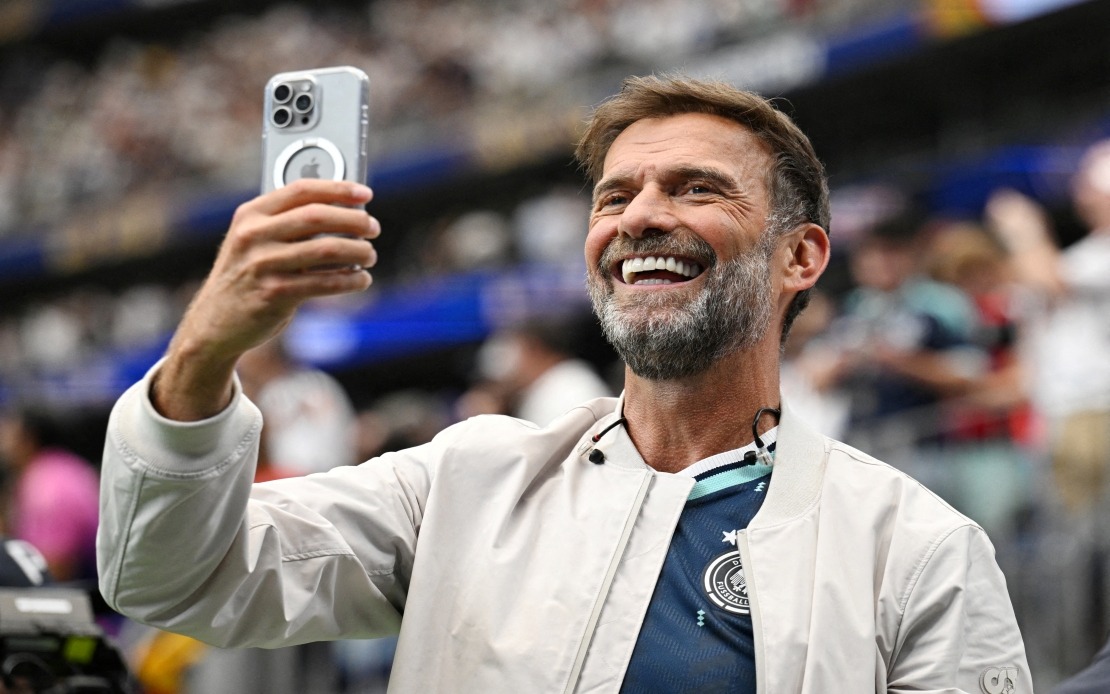
Jürgen Klopp has broken his silence on negotiations with the German Football Federation regarding the vacant national team coaching position, confirming that discussions are underway following Julian Nagelsmann's resignation. Speaking to MagentaTV in New York, the 56-year-old former Liverpool and Borussia Dortmund manager acknowledged the DFB's approach while emphasising that any deal will require substantial deliberation rather than a swift conclusion.
Nagelsmann stepped down from his position after nearly three years in charge, with Germany's elimination from the World Cup at the group stage—a humbling 4-1 defeat to Spain in their opening match—serving as the catalyst for change. The announcement came as the football world continued to process the shock results from the tournament. Klopp's emergence as a leading candidate for the role represents a significant move in German football's search for stability and renewed competitive success on the international stage.
The timing of Klopp's availability adds intrigue to the situation. Having departed Liverpool in the summer of 2024 after nine transformative years at Anfield, where he delivered the club's first Premier League title in thirty years and guided them to a Champions League triumph, Klopp has spent recent months recharging. His current position as Head of Global Soccer at Red Bull provides him with a prestigious platform but removes him from the day-to-day demands of club management. He stated unequivocally that his sabbatical has left him restored and prepared to take on a major coaching challenge.
However, Klopp's readiness does not automatically translate to swift resolution of his employment situation. He carries a Red Bull contract extending through 2029, a significant contractual obligation that cannot be dismissed lightly. In discussing his position, Klopp revealed that he has already engaged with his Red Bull superior, Oliver Mintzlaff, to explore pathways toward a potential resolution. The mention of this conversation suggests preliminary groundwork has begun, but substantial negotiations remain ahead.
Crucially, Klopp resisted the temptation to characterise the Germany position as a straightforward replacement of one coach with another. He observed that the underlying problems plaguing the German national team are structural rather than personal, suggesting that Nagelsmann's departure alone will not resolve the fundamental issues that contributed to the disappointing World Cup campaign. This analytical perspective reflects Klopp's measured approach to the opportunity and indicates he understands the complexity of reviving a programme that once dominated international football.
Klopp's respectful comments about Nagelsmann underscore his awareness that the position requires diplomatic finesse. He described his predecessor as an "extraordinary coach," acknowledging that circumstances rather than incompetence prompted the resignation. This gracious stance may reflect professional courtesy, but it also hints at Klopp's recognition that he is inheriting a team facing deeper challenges than personnel decisions alone can address. The Germany squad requires tactical innovation, psychological restoration, and a coherent strategic vision to reclaim its standing among the world's elite nations.
The financial and reputational dimensions of Klopp's potential transition reveal the delicate balancing act required from all parties. Klopp emphasised that Red Bull must emerge from any arrangement with its standing and reputation intact, suggesting he will not simply abandon his current employers for a higher-profile opportunity. This principled stance may actually facilitate negotiations, as it demonstrates respect for his existing commitments while leaving space for creative solutions that serve everyone's interests.
For Malaysian and Southeast Asian observers, Klopp's situation illustrates broader themes within international football governance. Germany's World Cup underperformance highlighted how quickly even traditionally powerful football nations can stumble without sustained investment in youth development and tactical evolution. The DFB's decision to seek a manager of Klopp's calibre signals the federation's determination to restore Germany's competitive advantage, reflecting the enormous resources and institutional commitment that major football powers deploy in pursuit of sustained success.
Klopp's involvement also underscores the enduring prestige of European football coaching within the global hierarchy. His availability has immediately transformed the narrative around Germany's coaching search, shifting focus from finding a suitable replacement to managing the complex logistics of acquiring one of world football's most respected minds. The prominence of this discussion in international sports media demonstrates how coaching expertise, particularly at the highest level, remains one of sport's most valued commodities.
The negotiation timeline remains uncertain, with Klopp's explicit statement that "things will take time" suggesting weeks rather than days of deliberation. The DFB will need to balance its desire to secure Klopp quickly with the need to respect his existing obligations to Red Bull. Meanwhile, Klopp himself faces the decision of whether transitioning to international football represents the right next chapter after his Liverpool achievements. His characterisation of himself as "more than recharged" suggests psychological readiness, but the technical and philosophical challenges of rebuilding the German national team programme represent a fundamentally different undertaking from club management.

