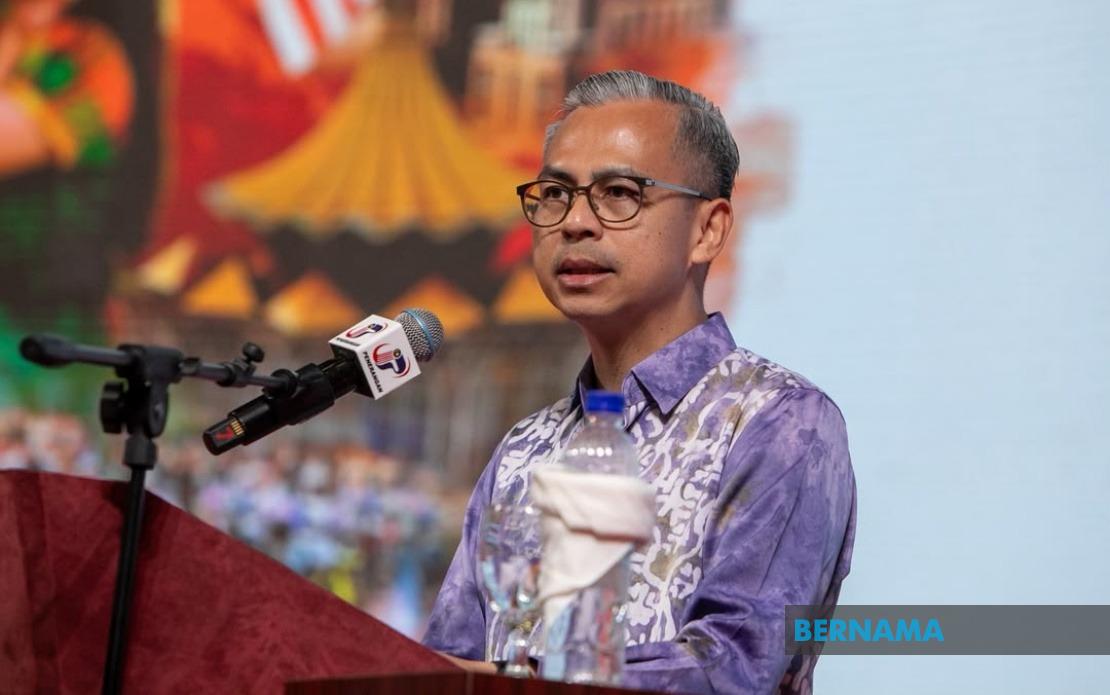
The Kembara Merdeka Jalur Gemilang convoy is set to remain a cornerstone of Malaysia's civic engagement strategy, with Communications Minister Datuk Seri Fahmi Fadzil confirming its role in forthcoming national celebrations. Speaking at the launch of the 2026 National Month and Fly the Jalur Gemilang campaign in Ipoh on Friday, Fahmi emphasised that the travelling convoy would continue fostering patriotic sentiment and reinforcing bonds of national unity among Malaysians from all walks of life.
The convoy initiative draws particular significance within the broader framework of Malaysia's 2026 National Month and Malaysia Day celebrations, which carry the unifying theme of "Malaysia MADANI: Kesejahteraan Dinikmati" (Malaysia MADANI: Shared Prosperity). This thematic approach reflects the government's vision of channelling national pride into tangible improvements in citizens' quality of life, moving beyond symbolic gestures towards substance-driven patriotism that resonates across socioeconomic divides.
Fahmi's remarks came during an official ceremony at the Sultan Azlan Shah Ministry of Health Training Institute in Tanjung Rambutan, where Prime Minister Datuk Seri Anwar Ibrahim officiated the launch. The participation of key ministers—National Unity Minister Datuk Aaron Ago Dagang and Perak Menteri Besar Datuk Seri Saarani Mohamad—underscored the multileveled commitment from federal and state administrations to embedding patriotic messaging into the calendar of national observances.
The government's approach to 2026 celebrations reflects pragmatic resource management while maintaining ceremonial significance. Fahmi acknowledged that this year's festivities would proceed with prudent financial stewardship, optimising existing resources rather than pursuing extravagant programming. Yet this fiscal discipline does not diminish the core mission: deepening Malaysians' understanding of national independence and cultivating appreciation for the sacrifices that enabled the nation's founding.
Central to the expanded patriotic push is the "One House, One Jalur Gemilang" initiative, which the government intends to intensify in the lead-up to and during National Month. This grassroots campaign encourages households nationwide to prominently display the national flag as an outward expression of sovereignty, unity, and collective pride. By democratising flag display beyond formal institutions and official venues, the initiative seeks to embed national symbolism into domestic spaces and everyday consciousness.
The strategic deployment of such initiatives carries particular relevance for a multicultural nation navigating questions of social cohesion. In Malaysia's diverse tapestry of ethnic, religious, and cultural identities, tools that forge shared national sentiment without subordinating pluralism become especially valuable. The Jalur Gemilang, as a neutral symbol transcending communal boundaries, represents an inclusive rallying point around which disparate groups can unite.
The convoy model itself offers distinctive advantages over stationary campaigns. By traversing different states and municipalities, the KMJG reaches populations in urban centres, suburban communities, and rural areas that might otherwise remain peripheral to centralised patriotic messaging. This mobile dimension amplifies reach while creating opportunities for direct engagement between government representatives and citizens, potentially strengthening the perceived legitimacy of national narratives.
For Southeast Asian observers, Malaysia's emphasis on patriotic programming reflects broader regional patterns. Across ASEAN, governments employ nationalism-adjacent messaging to address challenges ranging from social fragmentation to external geopolitical pressures. However, Malaysia's approach—emphasising inclusive prosperity themes alongside patriotic symbolism—offers a distinctive model balancing national pride with pluralistic aspirations.
The timing of these announcements, occurring in mid-2024 for 2026 celebrations, allows substantial lead time for planning and public engagement. This advance notice permits civil society organisations, private sector entities, and community groups to align their own initiatives with government priorities, potentially amplifying the campaign's grassroots penetration and authenticity.
Looking forward, the success of these initiatives will likely depend on consistent messaging, visible government participation at all levels, and genuine engagement with communities rather than top-down imposition of patriotic requirements. The integration of prosperity-focused thematic content alongside traditional patriotic appeals suggests recognition that contemporary citizens, particularly younger demographics, respond more readily to nationalism articulated through improved living standards and opportunity rather than symbolic gestures alone.
The 2026 National Month celebrations represent an opportunity for Malaysia to recalibrate how patriotism functions in the national conversation—moving from ceremonial obligation towards transformative civic engagement that demonstrates tangible connections between national identity and individual wellbeing. The KMJG convoy, renewed and recommitted, positions itself as a vehicle for that evolution.

