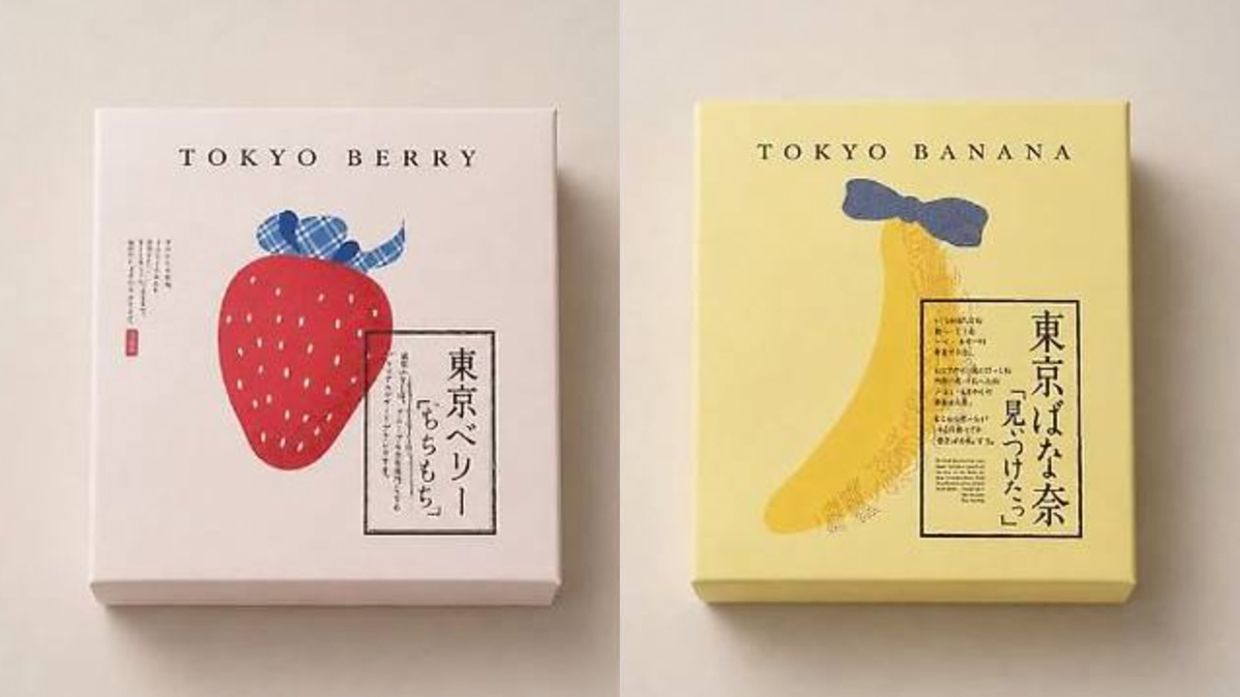
A newly launched South Korean dessert brand has found itself at the centre of an intellectual property dispute after consumers alleged that its packaging and branding closely mirror those of Tokyo Banana, an established and popular Japanese confectionery. Tokyo Berry, which has been operating pop-up stores across major South Korean department stores including Lotte and Shinsegae, now faces widespread criticism from both Korean and Japanese quarters over the striking similarities between its products and the iconic Japanese brand.
Tokyo Banana, manufactured by Japanese confectionery company Grapestone, has built a strong reputation over the years for its distinctive banana-shaped sponge cake offering. The product has become synonymous with Japanese confectionery exports and maintains a significant following across East Asia. The resemblance between Tokyo Banana's established visual identity and Tokyo Berry's newer product line became impossible to ignore once consumers began posting detailed side-by-side comparisons across social media platforms, prompting wider scrutiny of the Korean brand's design choices.
The controversy demonstrates the ongoing tensions around brand identity and intellectual property protection in the region, particularly when newer entrants attempt to capitalise on the goodwill and recognition built by established international brands. Social media users quickly highlighted how Tokyo Berry's packaging, product shape, and overall aesthetic appeared deliberately modelled on the Tokyo Banana template, raising questions about whether consumers might be inadvertently confused into believing the brands were connected or that Tokyo Berry was itself a Japanese export.
Tokyo Berry's marketing strategy further complicated matters. The brand actively promoted itself using language calculated to evoke Japanese associations, with promotional materials emphasising phrases like "capturing the flavours of seasonal fruits and the essence of Tokyo". This strategic positioning appears designed to leverage the prestige and appeal of Japanese consumer goods in the Korean market, a phenomenon that has become increasingly common as Japanese brands command premium positioning and strong consumer preference across South Korea. The messaging proved particularly problematic once the brand's Korean origins became public knowledge.
Public reaction in South Korea turned decidedly negative once word spread that Tokyo Berry was a domestic creation attempting to masquerade as or closely emulate a foreign brand. Online commentators characterised the controversy as a "national embarrassment", reflecting broader sensitivities around Korean brand authenticity and the expectation that homegrown companies should establish independent identities rather than rely on imitation strategies. This domestic criticism added an additional layer of reputational damage beyond the intellectual property concerns.
The backlash extended beyond simple packaging comparisons. Some consumers also alleged that Tokyo Berry had borrowed design elements from Hanjungsun, a premium Korean dessert brand known for employing hanji, the country's traditional handmade paper, to wrap its chapssaltteok rice cakes. This accusation of copying from both Japanese and Korean sources simultaneously suggested a broader design philosophy centred on replicating existing successful products rather than innovating original offerings. The dual allegations undermined any defence that Tokyo Berry might have constructed around coincidental similarities or independent inspiration.
Department store partners responded swiftly to the mounting controversy. A spokesperson from one major retailer disclosed to The Korea Herald that all scheduled pop-up locations for Tokyo Berry had been cancelled, effectively halting the brand's planned retail expansion across South Korea's premium shopping destinations. This decision reflected retailers' reluctance to associate their brands with the reputational damage accruing from the copying allegations and their desire to avoid potential legal complications or consumer backlash.
Tokyo Berry's social media presence offers further evidence of the brand's recognition of the severity of the situation. The company moved to remove promotional Instagram posts and disabled comments sections on remaining content, a common defensive manoeuvre when brands face public criticism they cannot effectively counter. This strategy of limiting public visibility and comment rather than engaging directly with concerns typically signals acknowledgment of the validity underlying consumer complaints.
Grapestone, the Japanese company behind Tokyo Banana, has indicated its intention to investigate the matter formally. A company statement confirmed that the issue had been escalated to relevant internal departments for detailed review, suggesting the possibility of legal action or formal complaints to intellectual property authorities. The involvement of the original brand holder introduces potential for international legal proceedings, which could establish important precedent regarding design protection and cross-border intellectual property enforcement in Northeast Asia.
This incident illuminates broader challenges facing the region's intellectual property frameworks and enforcement mechanisms. As South Korean companies increasingly seek to compete globally, cases like Tokyo Berry risk damaging the country's reputation for innovation and originality. Conversely, the strong public and retail backlash demonstrates that Korean consumers themselves maintain sophisticated expectations regarding brand authenticity and intellectual honesty, suggesting that copy-cat strategies face significant market resistance domestically.
The controversy arrives at a time of heightened sensitivity around Asian brand positioning and consumer goods authenticity. Japanese brands maintain particular cultural and commercial cachet in South Korea despite historical tensions, making mimicry of Japanese design especially fraught with reputational consequences. Tokyo Berry's apparent miscalculation in attempting to leverage this prestige through visual and linguistic association rather than building independent brand equity serves as a cautionary example for other Korean startups navigating increasingly competitive premium food and beverage markets.

