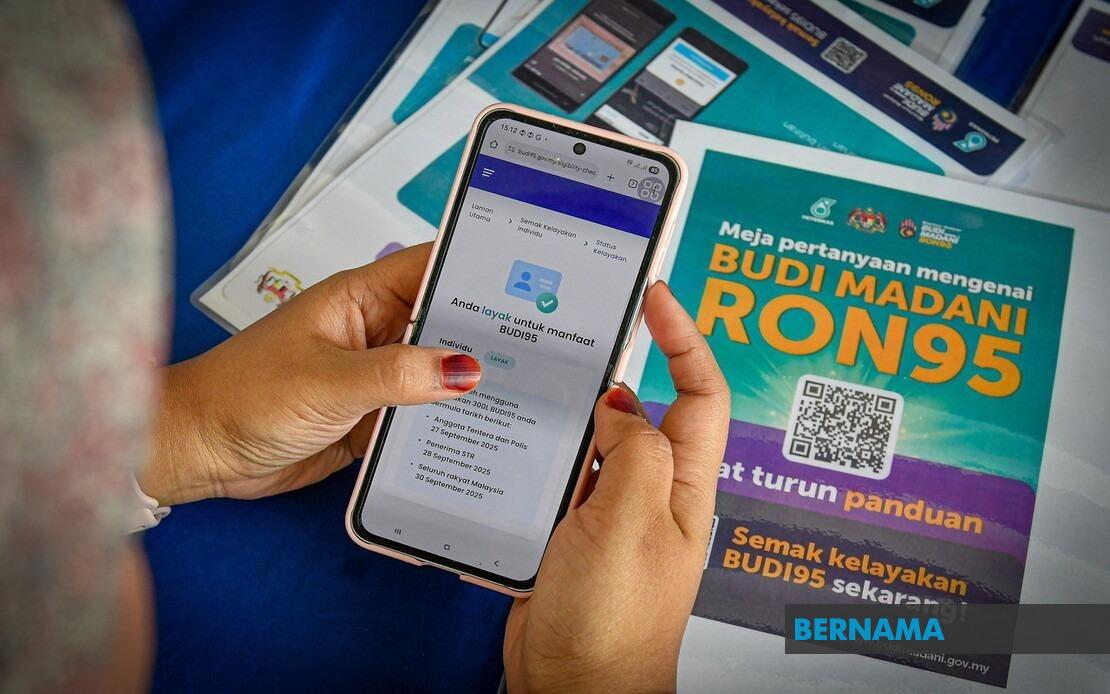
The Ministry of Domestic Trade and Cost of Living (KPDN) has pledged to investigate suitable approaches for assisting island populations throughout Peninsular Malaysia who depend on private boats for essential transport, with particular focus on extending benefits through the BUDI MADANI scheme. Deputy Minister Datuk Dr Fuziah Salleh made the commitment during a Dewan Rakyat session on July 1, acknowledging that residents of these isolated communities face genuine hardships due to their reliance on waterborne transport to access mainland services and amenities.
The announcement came in response to representations from Muhammad Islahuddin Abas, the Mersing member of parliament representing Perikatan Nasional, who had raised concerns about insufficient fuel quota allocations for island dwellers. Mersing, a coastal district in Johor with numerous island communities, has been highlighted as a particular focal point for this issue. Residents of these islands face elevated petrol consumption due to their constant need to commute between their homes and the mainland, yet current subsidy frameworks do not adequately reflect their distinctive circumstances.
Datuk Dr Fuziah indicated that the ministry recognises the legitimacy of these concerns and is prepared to devise targeted interventions to address the specific needs of boat-dependent populations. Her response suggests that existing subsidy mechanisms, while designed to assist vulnerable communities, may require recalibration to encompass those whose geographic isolation creates transportation challenges distinct from urban and even rural mainland populations. The prospect of higher BUDI95 fuel quotas for island residents represents recognition that one-size-fits-all subsidy approaches cannot account for the realities facing maritime communities.
Beyond the immediate boat-dependency issue, the ministry has simultaneously been addressing a parallel structural problem affecting elderly care facilities. Datuk Dr Fuziah revealed that KPDN is revising standard operating procedures to extend subsidised diesel fleet cards to old folks' homes that operate as registered non-governmental organisations. This category of institution currently finds itself excluded from diesel subsidy eligibility, despite operating transport services integral to elderly welfare and healthcare provision.
The exclusion stems from a registration technicality: these elderly care facilities are registered with the Registrar of Societies rather than the Companies Commission of Malaysia. While this distinction may appear bureaucratic, it has real consequences, preventing legitimate welfare providers from accessing cost-relief measures designed to support essential sectors. The ministry's recognition that additional procedural steps are required to accommodate organisations registered through different frameworks indicates a willingness to untangle administrative knots that inadvertently exclude deserving beneficiaries.
The subsidy landscape in Malaysia has become increasingly complex as the government attempts to balance fiscal constraints against the need to support vulnerable populations and critical sectors. The BUDI MADANI scheme represents a broader subsidy architecture aimed at providing relief where transport costs impose genuine hardship. However, its application has revealed gaps: island communities whose transport costs exceed those of mainland peers, and welfare organisations whose legal structure places them outside standard commercial frameworks, both fall into these unaddressed categories.
Separately, Deputy Minister Fuziah responded to a supplementary question from Datuk Seri Dr Wee Ka Siong, the Ayer Hitam member representing Barisan Nasional, regarding the Subsidised Diesel Control Scheme (SKDS). She clarified that tourism remains ineligible for diesel subsidies under SKDS 2.0, with the current iteration prioritising essential sectors, principally the food industry. This prioritisation reflects government policy that confines subsidised diesel access to sectors deemed foundational to food security and basic economic functioning.
The exclusion of tourism from subsidised diesel access reflects broader strategic choices about where public resources should be concentrated during periods of fiscal pressure. While tourism generates significant employment and foreign exchange earnings, it has been categorised as non-essential relative to food production and distribution. For Malaysian tour operators and tourism-dependent enterprises, particularly those in rural and island regions, this classification creates operational cost pressures that may limit service availability and affordability.
For island communities across Peninsular Malaysia, the interconnected challenges of fuel costs, transport accessibility, and subsidy eligibility have accumulated into a genuine impediment to quality of life. Residents must maintain boats in seaworthy condition, purchase fuel at market rates, and undertake regular trips to access healthcare, education, and market services available only on the mainland. The BUDI MADANI scheme's current architecture does not fully account for these cumulative transport burdens, making Deputy Minister Fuziah's commitment to review mechanisms a pragmatic acknowledgment of policy shortcomings.
The ministry's simultaneous work to streamline procedures for elderly care facilities demonstrates that administrative barriers often compound substantive policy challenges. When welfare organisations must navigate eligibility requirements designed for conventional commercial entities, the result is coverage gaps among populations with genuine need. Revising standard operating procedures to accommodate organisations registered through the Registrar of Societies represents a necessary modernisation of bureaucratic frameworks.
Moving forward, KPDN's review process will need to balance several competing pressures. Island communities require fuel subsidy adjustments that reflect their genuine transport costs, while elderly care facilities require registration-neutral access to diesel discounts. Simultaneously, the ministry must maintain fiscal discipline and avoid creating perverse incentives. The success of these reviews will depend on whether KPDN can devise targeted mechanisms that extend support to genuinely disadvantaged groups without unnecessarily expanding subsidy commitments during economically challenging periods.

