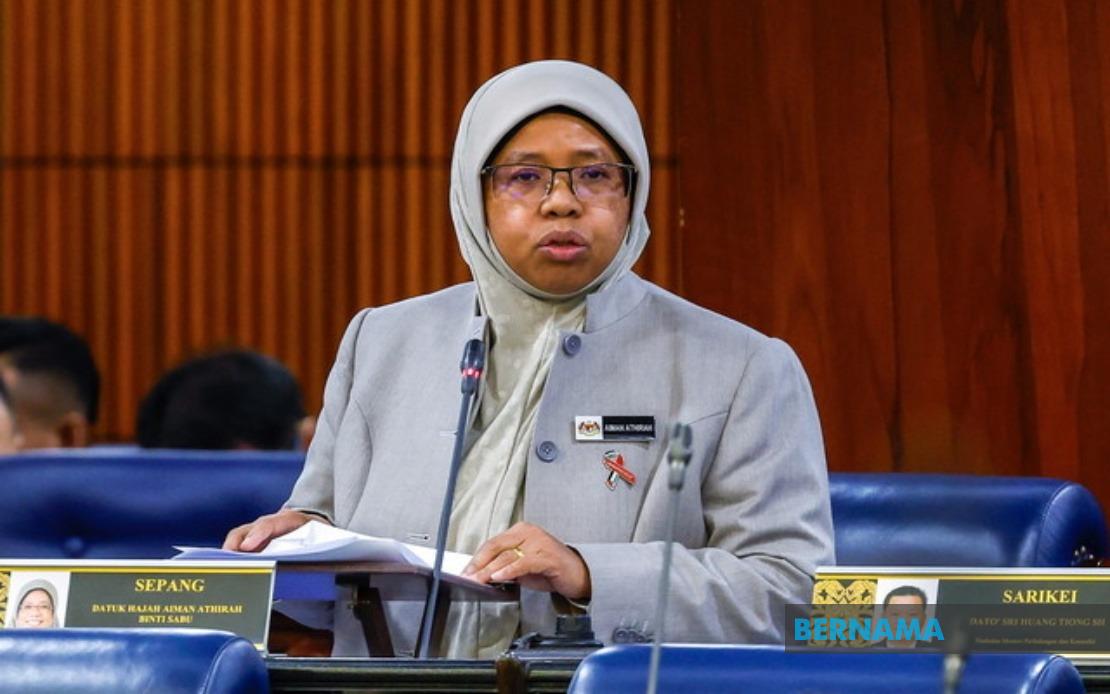
The Ministry of Housing and Local Government has given the go-ahead for nearly 600 development schemes targeting Chinese new villages and Indian traditional communities, representing a significant commitment to upgrading living conditions in these historically underserved areas. The package, announced in Parliament by Deputy Minister Datuk Aiman Athirah Sabu, encompasses 573 projects in Chinese new villages and 21 in Indian villages, with combined expenditure reaching RM73 million in the current fiscal year alone.
The infrastructure push in Chinese new villages reveals a multifaceted approach addressing both basic amenities and housing stock. Among the 573 approved schemes, 366 focus on core infrastructure development—roads, water systems, and communal facilities that form the backbone of village functionality. Of these infrastructure initiatives, nearly two-fifths have already been completed, with over half still actively under construction or in the implementation pipeline. The pace of completion suggests momentum, though the substantial number still in progress indicates these communities continue dealing with long-standing deficits in fundamental services.
Beyond bricks and pipes, the government is also targeting the housing quality within these settlements through two dedicated assistance programmes. The Housing Repair Assistance Programme represents a pragmatic recognition that many existing structures require upgrading rather than replacement. With 197 such projects sanctioned, the initiative has crossed the quarter-way completion mark, though the bulk of the work—150 schemes—remains underway. This deliberate strategy preserves community stability while improving dwellings incrementally. Complementing this is the New Village Housing Construction Assistance Programme, a smaller initiative with ten approved projects that have yet to break ground, suggesting this component may represent newer commitments still mobilizing resources and securing necessary approvals.
The allocation reflects a broader historical pattern: Chinese new villages, originally established during the colonial era and expanded during the Emergency period of the 1950s, have long struggled with infrastructure neglect. Many remain characterized by aging utilities, deteriorating roads, and limited public amenities despite their integral role in Malaysian society. The current investment trajectory, particularly the substantial RM328.9 million channelled since 2023, signals an attempt to reverse decades of underinvestment. These funds benefit residents across 613 villages nationwide—a reach that underscores how dispersed this population remains, even as urbanization has remade Malaysia's landscape.
Development in Indian villages has traditionally lagged even further behind, a disparity the government appears determined to narrow. The 21 projects spanning Indian communities carry a more modest RM2 million price tag, yet they represent a structural shift. These schemes span six states—Johor, Melaka, Selangor, Kuala Lumpur, Perak, and Negeri Sembilan—covering 18 distinct villages and addressing infrastructure, public safety, and amenities. The project breakdown reveals a healthy distribution: five completed, thirteen under active construction, two in procurement, and one still in the planning phase. This spread suggests a pipeline that should yield steady progress over coming quarters.
A notable aspect of Indian village development is its recent institutionalization. The Deputy Minister confirmed that dedicated allocations only commenced in 2025, indicating this represents newly formalized government priority rather than a long-standing programme. The RM15 million channelled for this financial year distributes across two pathways: RM10 million through KPKT's budget initiative spanning 54 projects, and RM5 million via the Malaysian Indian Transformation Unit (MITRA) under the Indian Community Socioeconomic Development Programme. This dual-channel approach, while reflecting bureaucratic complexity, ensures both direct ministry engagement and community-focused implementation through specialist bodies.
The numbers reveal significant beneficiary reach. The Indian village allocation targets 22,144 recipients across 50 villages through 87 total projects—indicating substantial per-capita investment though spread thinly across a large population. For context, this RM15 million initiative pales against the RM328.9 million invested in Chinese new villages over two years, reflecting historical disparities in resource distribution. However, the explicit 2025 launch of dedicated Indian village funding suggests official recognition that targeted intervention requires dedicated budgets rather than incidental spending.
The parliamentary response from S. Kesavan (Sungai Siput), itself significant, underscores the political importance these communities retain. Sungai Siput's history—a major rubber-producing region with substantial Tamil-speaking populations—makes it emblematic of rural constituencies where developmental inequality persists despite national wealth accumulation. That such questions continue reaching the Dewan Rakyat reflects ongoing constituent concerns about whether government investment actually reaches ground level and improves daily living standards.
These development initiatives carry implications extending beyond immediate beneficiaries. Chinese new villages and Indian traditional settlements represent crucial demographic anchors in rural Malaysia, often serving as economic stabilizers and social infrastructure hubs for surrounding areas. Their deterioration affects regional cohesion and can drive migration toward already-congested urban centres. Conversely, strategic investment in these communities can sustain rural viability, distribute demographic pressure more evenly, and preserve cultural heritage tied to particular geographies. The current spending trajectory suggests policymakers recognize this broader significance.
The challenge ahead involves sustained implementation and measurable improvement. Parliamentary updates document project approvals and expenditure allocations, but communities ultimately care about whether roads improve, water flows reliably, and housing becomes safer and more secure. With hundreds of projects at various completion stages, accountability mechanisms ensuring funds translate into actual on-ground upgrades remain essential. The disparity between approved and completed schemes—particularly the ten housing construction projects still awaiting commencement—suggests bureaucratic bottlenecks or resource constraints may impede timely delivery.
Looking forward, the explicit 2025 pivot toward Indian village development marks a policy inflection point worth monitoring. Whether this represents sustained commitment or cyclical attention remains to be seen. Historical patterns suggest rural development often fluctuates with electoral cycles and political attention. Yet the scale of this current initiative—nearly 600 projects, multiple implementation pathways, and cross-state coordination—suggests infrastructure building with genuine institutional support. For Malaysian readers, particularly those in or connected to these communities, the actual delivery of these promised improvements will ultimately determine whether this represents transformative investment or incremental gesture.

