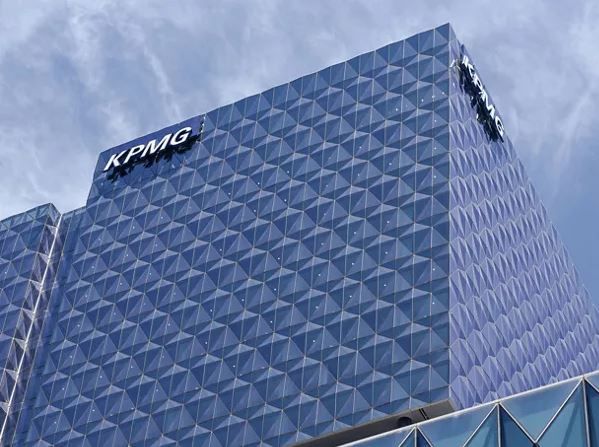
KPMG Australia has taken disciplinary action against seven staff members, imposing financial penalties of up to A$180,000 (US$125,838) following an internal investigation that substantiated allegations of misconduct in handling confidential client data. The firm acknowledged that staff members inappropriately shared internal documents containing sensitive client information within the organisation, breaching the fundamental trust that underpins the professional audit relationship.
The scandal has cast a significant shadow over one of Australia's largest professional services firms and carries broader implications for the regional accounting sector, where similar confidentiality breaches could undermine institutional credibility. The penalties represent a watershed moment for KPMG's attempt to address what executives describe as conduct fundamentally inconsistent with the firm's values and professional obligations. Beyond financial sanctions, the disciplinary measures extend to career restrictions, performance-based demotions, and formal warnings for those involved.
The investigation centred on evidence that KPMG personnel exploited inside information gleaned from confidential board materials belonging to major real estate firm Lendlease. Three senior audit partners were previously fined for their role in accessing and misusing these privileged documents. The apparent scheme appears to have involved leveraging confidential insights to position the firm more competitively when pitching for lucrative audit mandates, a practice that strikes at the heart of audit independence and client confidentiality standards.
The misconduct allegations first surfaced publicly in March when whistleblowers exposed the practice, triggering a cascade of consequences within KPMG's leadership structure. The scandal has forced the departure of the firm's Chief Executive Officer, the head of the audit division, and the board chairman—a clear signal of the severity with which Australian regulators and the business community regard the breach. These resignations underscore the reputational damage and accountability pressures facing large professional services firms when client trust is compromised.
Two of the seven sanctioned staff members chose to resign from KPMG ahead of formal disciplinary decisions being handed down, suggesting they anticipated the consequences and opted for early departure. This exodus of personnel, combined with the senior leadership resignations, indicates significant organisational disruption and potential talent drain as the firm attempts to rebuild its reputation.
The Australian Securities and Investments Commission (ASIC), the nation's corporate watchdog, has launched its own parallel investigation into three partners' involvement in the scandal. Two of these partners have already departed KPMG and were among those previously fined by the firm for misusing Lendlease materials. ASIC has withheld the identity of the third partner under investigation, suggesting the regulator's probe may yield additional findings or potential enforcement action beyond the internal disciplinary measures.
Notably, KPMG's own earlier investigations into these allegations failed to substantiate wrongdoing, raising questions about the effectiveness of initial internal review processes and the threshold for triggering more rigorous inquiries. The subsequent findings represent a significant reversal, suggesting that either additional evidence emerged or investigative methods were substantially enhanced following the public disclosure of misconduct allegations.
For Malaysian readers and regional market observers, the KPMG scandal offers a cautionary tale about governance failures in global professional services firms operating across multiple jurisdictions. KPMG's Malaysian operations and those of other international audit firms must remain vigilant about maintaining Chinese walls and information barriers to prevent similar breaches. The case also illustrates how confidentiality violations can rapidly escalate from isolated incidents to existential threats to institutional credibility, particularly when they involve misuse of information for competitive advantage.
The incident reflects broader industry vulnerabilities in how rapidly digitalisation and knowledge-sharing platforms within large professional firms can create unintended pathways for confidential information to spread. As audit firms consolidate operations and centralise certain functions, the technical and operational controls separating client information become increasingly critical to institutional integrity.
Australian regulators' determination to pursue independent investigations signals that reputational penalties and internal discipline alone may prove insufficient to address systemic issues within large professional services firms. ASIC's continued scrutiny suggests that regulatory action and potential penalties could follow the internal disciplinary measures, creating compounded consequences for individuals involved and the broader organisation attempting remediation.
The financial penalties, while substantial, remain modest relative to the reputational costs and potential lost business from major corporate clients questioning the firm's trustworthiness. Many blue-chip organisations that engaged KPMG have intensified scrutiny of their auditor relationships and compliance practices, potentially repositioning audit contracts to competitors perceived as offering stronger independence protections.
For Southeast Asian markets integrating into global capital systems and increasingly reliant on international audit standards, the KPMG case demonstrates the importance of robust regulatory frameworks that can credibly investigate and penalise misconduct by multinational firms. As Malaysian and regional enterprises expand internationally, maintaining confidence in audit quality and auditor independence becomes essential to market integrity and investor protection.

