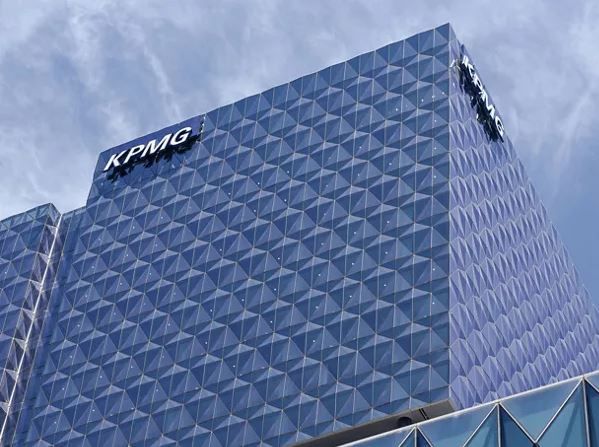
The professional services giant KPMG Australia announced on Tuesday that its top leadership is stepping down in response to serious allegations of ethical misconduct, marking a significant turning point in a widening scandal that has already claimed the firm's chief executive and audit division head. Chairman Martin Sheppard, along with audit partners Paul Rogers and Eileen Hoggett, have all tendered their resignations, acknowledging the gravity of the situation that has undermined public confidence in one of the Big Four accounting firms operating in the region.
The scandal centres on allegations that KPMG improperly accessed and utilised confidential board papers belonging to Lendlease, a major Australian real estate development company, to strengthen its bids for lucrative audit contracts. This breach of client confidentiality strikes at the heart of the trust relationship between professional advisers and their clients, a principle fundamental to the accounting profession's credibility and essential to maintaining market integrity across Asia-Pacific economies where KPMG operates extensively.
Interim chief executive Stan Stavros, who has assumed control of the firm following the previous leadership departures, framed the resignations as essential corrective measures. In a statement released to the media, Stavros acknowledged that KPMG failed to uphold the rigorous professional standards that clients and the broader business community rightfully expect from a firm of its stature and international standing. The executive emphasised that the misconduct has caused demonstrable harm not only to the whistleblower who exposed the wrongdoing, but also to KPMG's workforce, clientele, and the wider Australian business community.
Rogers and Hoggett held particularly sensitive positions within the firm's audit operations, having been identified by the whistleblower as the lead partners directly overseeing the Lendlease audit engagement during the period when the alleged misconduct occurred. The whistleblower's detailed allegations, which became public in March, specifically named these two individuals as central figures in the decision-making chain that resulted in misuse of confidential information. Their departures represent an implicit acknowledgement of personal accountability for the conduct that occurred under their direct supervision.
Both partners currently face formal investigations by the Australian Securities and Investments Commission, the nation's corporate regulator responsible for ensuring compliance with financial services laws and professional conduct standards. These regulatory inquiries are expected to examine not only the facts surrounding the alleged misuse of confidential information, but also the broader question of how such misconduct was permitted to occur within KPMG's compliance and governance frameworks. The outcomes of these investigations could have implications for the professional licenses and future careers of the individuals involved.
The cascading resignations at KPMG Australia reflect the severity with which Australian regulators and the business community view breaches of professional ethics in the accounting and audit sector. For Malaysian readers and regional businesses, this case underscores the reputational and operational risks associated with engaging professional service providers who have demonstrated lapses in governance or ethical conduct. Many Malaysian corporations work with international accounting firms and conduct cross-border transactions that require absolute assurance of confidentiality and professional integrity.
KPMG's response includes structural reforms aimed at preventing similar incidents. The firm has committed to appointing an independent chairman to replace Sheppard, a move that introduces external scrutiny into strategic decision-making at the highest level. Additionally, KPMG will expand its board by bringing in independent members whose primary function will be to strengthen the firm's governance architecture and ensure that ethical considerations and compliance receive appropriate weighting in organisational priorities.
These governance enhancements represent a recognition that KPMG's previous internal controls and board composition failed to prevent or detect the misconduct in a timely manner. Independent board members, particularly those without longstanding relationships with firm management, can provide more robust questioning of executive decisions and greater willingness to escalate concerns through proper channels. This structural realignment signals to clients and regulators that KPMG is taking substantive corrective action rather than offering superficial responses.
The unfolding crisis at KPMG Australia carries broader implications for the accounting profession across the Asia-Pacific region. It demonstrates that even established, internationally recognised firms are vulnerable to serious ethical breaches, and that organisational scale and reputation do not automatically ensure integrity in client dealings. Malaysian businesses that rely on audit services and professional advice should view this incident as a reminder to establish robust engagement terms, clear confidentiality protections, and effective channels for reporting concerns about professional conduct.
For regional regulators and professional bodies overseeing accountants and auditors, the KPMG case highlights the importance of maintaining independent whistleblower protections and ensuring that investigations into alleged misconduct proceed transparently. The fact that KPMG's own whistleblower was willing to come forward and pursue allegations through appropriate channels, despite potential career consequences, demonstrates the value of establishing institutional cultures that take such concerns seriously.
The full financial and reputational impact of this scandal on KPMG Australia remains uncertain. Beyond the immediate departures of senior leadership, the firm faces potential client losses, regulatory penalties, and the substantial costs associated with implementing new governance structures. The incident also raises questions about whether other client confidentiality breaches may have occurred within KPMG or other major accounting firms, potentially prompting broader regulatory reviews across the profession.
As KPMG moves forward under new leadership, the effectiveness of its governance reforms and its ability to rebuild trust will be closely monitored by clients, competitors, and regulators. The coming months will determine whether the departures of Sheppard, Rogers, and Hoggett represent sufficient accountability to address the underlying cultural and systemic issues that permitted the alleged misconduct to occur.