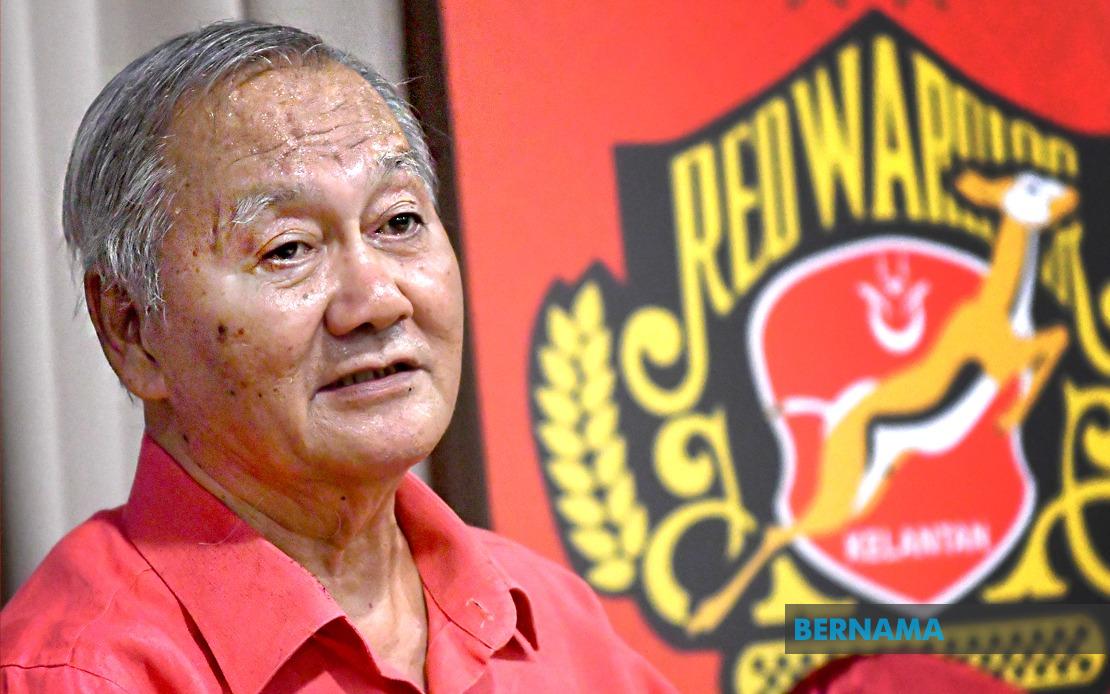
Kelantan Red Warriors FC has placed its recruitment drive on temporary hold as the club navigates a series of internal management complications that require immediate resolution. Head coach Irfan Bakti Abu Salim disclosed the decision during a statement in Kota Bharu, emphasizing that despite the team's successful promotion to next season's Super League, various technical issues must be addressed before the club can proceed with strengthening its squad through new signings.
The timing presents a delicate balancing act for the Kelantan-based outfit. Earning promotion on merit represents a significant achievement, particularly after competing in the previous season's A1 Semi-Pro League where the level of competition differs markedly from the Super League structure. Yet this accomplishment is tempered by the administrative challenges that now threaten to undermine the club's preparation timeline during what is typically a critical period for team building.
Irfan Bakti expressed confidence in the squad's readiness to compete at the higher level, but acknowledged that the management must clear several outstanding matters before player recruitment can resume. The suspension applies to both domestic and international acquisitions, a sweeping restriction that underscores the severity of the issues at hand. Without clarity on these technical complications, the club faces the prospect of entering Super League competition with an incomplete roster relative to competitors who will have had full transfer windows to enhance their playing strength.
Currently, the team operates with between 18 and 20 existing players during training sessions, a core group that forms the foundation upon which future additions will be built. This relatively modest squad size suggests the club will require substantial reinforcement to meet the competitive demands of the Super League. The Super League represents a significant step up from semi-professional football, with clubs typically possessing greater resources, more established support structures, and players accustomed to competing at higher intensity levels.
The nature of these technical issues remains somewhat opaque, though Irfan Bakti indicated they relate to club management and administrative compliance requirements. In Malaysian football, promotion to the Super League typically involves strict regulatory oversight regarding club licensing, financial standing, infrastructure standards, and organizational procedures established by the Football Association of Malaysia. Clubs must satisfy multiple criteria to maintain eligibility for competition at this level, and any shortcomings in documentation or structural requirements could delay registration processes.
Management's stated determination to resolve these matters in the near future suggests the club maintains optimism about clearing obstacles within a reasonable timeframe. However, the vagueness around specific timelines introduces uncertainty for the coaching staff attempting to devise meaningful preparation strategies. Pre-season planning becomes significantly more complicated when the final squad composition remains undetermined, forcing Irfan Bakti to devise tactical approaches that accommodate substantial roster variations depending on which recruits ultimately join the club.
The suspended player registration represents an additional layer of complexity beyond the internal management issues. This restriction prevents the club from formally registering new signings even if recruitment processes were to accelerate, suggesting administrative procedures at the league or federation level are also involved. Such registration bans are typically implemented as compliance mechanisms, with clubs unable to field new players until all requirements have been satisfied and documentation properly filed through official channels.
From a regional perspective, KRW FC's situation reflects broader challenges facing Malaysian football clubs as they navigate increasingly sophisticated governance frameworks. The professionalization of league structures has necessitated more rigorous administrative oversight, which while beneficial for the sport's long-term credibility, creates short-term complications for clubs managing transitions between competitive tiers. Kelantan's experience offers a cautionary example of how administrative delays can disrupt sporting preparations regardless of on-field success.
The club's management appears acutely aware that the Super League demands greater squad depth and tactical flexibility than what the semi-professional environment requires. Competing against established Super League sides will necessitate not only quality players but also adequate numbers to manage fatigue, injuries, and tactical adjustments throughout a longer, more demanding season. The current squad of 18 to 20 players, while possibly sufficient for semi-professional competition, falls short of modern professional standards where squads typically number 25 to 30 outfield players plus goalkeepers.
Stakeholders—including supporters, potential sponsors, and local administrators—will be monitoring closely how swiftly these technical issues reach resolution. Extended delays could ultimately impact the club's competitive positioning, particularly if rival promoted clubs or established Super League teams complete their recruitment activities first. The transfer market operates on competitive principles where clubs compete for the same talent pool, and protracted delays disadvantage clubs seeking to secure their primary targets.
Irfan Bakti's public statements appear designed to manage expectations while maintaining confidence in both management's problem-solving capacity and the squad's inherent quality. By framing the suspension as temporary and highlighting the team's legitimate promotional achievement, the coach seeks to preserve morale among current players who might otherwise grow anxious about the club's organizational stability. This messaging discipline will be essential as the club works through its administrative difficulties.
The path forward requires coordination between KRW FC's internal management, the Football Association of Malaysia, and the Super League administrative body to clarify outstanding requirements and establish a clear resolution timeline. Transparency regarding specific issues and expected resolution dates would help the club's coaching staff better plan competitive preparations. Until these technical matters are satisfactorily addressed and the registration ban is lifted, Kelantan Red Warriors must continue building squad cohesion and tactical understanding with their existing personnel, hoping these foundational elements translate into competitive advantage when the club finally completes its roster strengthening.

