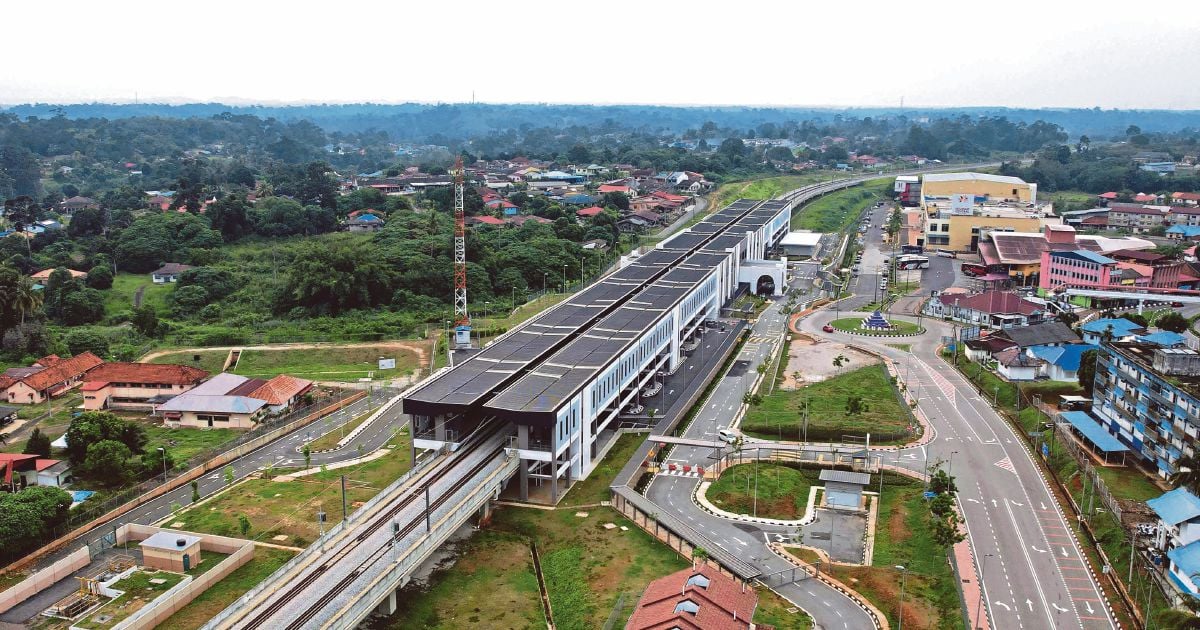
Malaysia's national rail operator, Keretapi Tanah Melayu Berhad (KTMB), is making a coordinated push to assist voters in Johor ahead of this weekend's state election by significantly expanding capacity and reducing ticket costs. The railway company plans to introduce 7,464 additional seats across its southern sector Electric Train Service (ETS) network, representing a substantial expansion of regular service offerings during the critical polling period.
The decision reflects a broader commitment from transport operators to remove logistical barriers that might prevent citizens from exercising their democratic rights. By deploying extra trains specifically calibrated to the heightened demand expected during an election cycle, KTMB is effectively acknowledging the reality that many voters travel between districts and states to cast their ballots. For Johor residents and those with interests in the state who are temporarily located elsewhere, the enhanced service represents a practical means to participate in the electoral process without incurring prohibitive travel costs.
Complementing the capacity expansion, KTMB is offering a twenty percent reduction on fares specifically for ETS journeys serving the Johor region. This dual-pronged approach—more trains combined with cheaper tickets—addresses both the supply and affordability dimensions of transport access. For a passenger travelling on a standard ETS ticket that might ordinarily cost between RM50 and RM100 depending on the specific route, a twenty percent savings translates to real money, particularly for voters making multiple trips or travelling in groups.
The southern ETS corridor connecting Kuala Lumpur to Johor Bahru is among Malaysia's busiest passenger rail routes, regularly handling thousands of commuters and long-distance travellers. During normal operations, trains on this route frequently operate near or at capacity, especially during peak travel periods and long weekends. The decision to add 7,464 seats suggests KTMB has deployed somewhere between seven and ten additional train sets or added extra carriages to existing services throughout the election day and likely the preceding period.
For Malaysian voters living outside Johor who wish to participate in the election, rail transport has long been a preferred option compared to private vehicles. The ETS offers direct, relatively rapid connections from major urban centres like Kuala Lumpur and Selangor to Johor Bahru and intermediate stations. Reducing both the friction of availability and the cost of travel particularly benefits voters from middle and lower-income groups who might otherwise face a genuine choice between affording transport and meeting other financial obligations.
The initiative also carries implications for Malaysia's broader democratic infrastructure and the role of public institutions in supporting electoral participation. While commercial operators occasionally run special services during elections, a national railway company offering discounted fares and expanded capacity sends a signal that state-owned enterprises view facilitating voter access as part of their public service mandate. This approach contrasts with scenarios where transport monopolies might treat elections as an opportunity to maximize revenue through surge pricing.
From a regional perspective, Southeast Asia has seen varying approaches to transport-facilitation during elections. Some countries implement specific voting-day holidays or transport subsidies, while others rely primarily on private market mechanisms. Malaysia's approach through its state-owned rail operator represents a middle ground—using existing infrastructure and commercial operations to enhance accessibility rather than implementing temporary voting holidays or blanket transport monopolies.
The timing of KTMB's announcement also underscores the logistical complexity of administering state elections in Malaysia's federal system. With voters potentially spread across multiple jurisdictions and working in different states from where they're registered, enabling cost-effective and timely transport becomes a genuine operational concern. A voter unable to reach their polling station due to transport costs or unavailability faces the practical equivalent of disenfranchisement, even if formal rights technically exist.
Beyond the immediate election weekend, such initiatives can generate valuable data about transport demand patterns. By observing which routes experience the highest utilization during the election period and which passenger demographics benefit most from fare reductions, KTMB gains insights that could inform longer-term service planning and pricing strategies for the southern corridor. Governments globally increasingly recognize that transport access correlates directly with electoral participation rates, and Malaysian policymakers appear to be incorporating this understanding into election administration.
The discount applies specifically to the ETS southern sector, meaning passengers travelling between stations in the Johor region and major hubs like Kuala Lumpur Sentral station benefit from the reduced fares. Voters should verify their specific route qualification and booking procedures, as detailed terms regarding the discount's application during specific travel windows will likely be communicated through KTMB's official channels closer to the election date.
Railways historically have played important roles in democratic participation, particularly in geographically dispersed nations and federal systems. From British India to contemporary India, expanded rail capacity during elections has repeatedly proven essential for enabling electoral turnout. Malaysia's approach, while smaller in scale than some international examples, demonstrates similar recognition of transport's foundational importance to democratic practice and inclusive governance.

