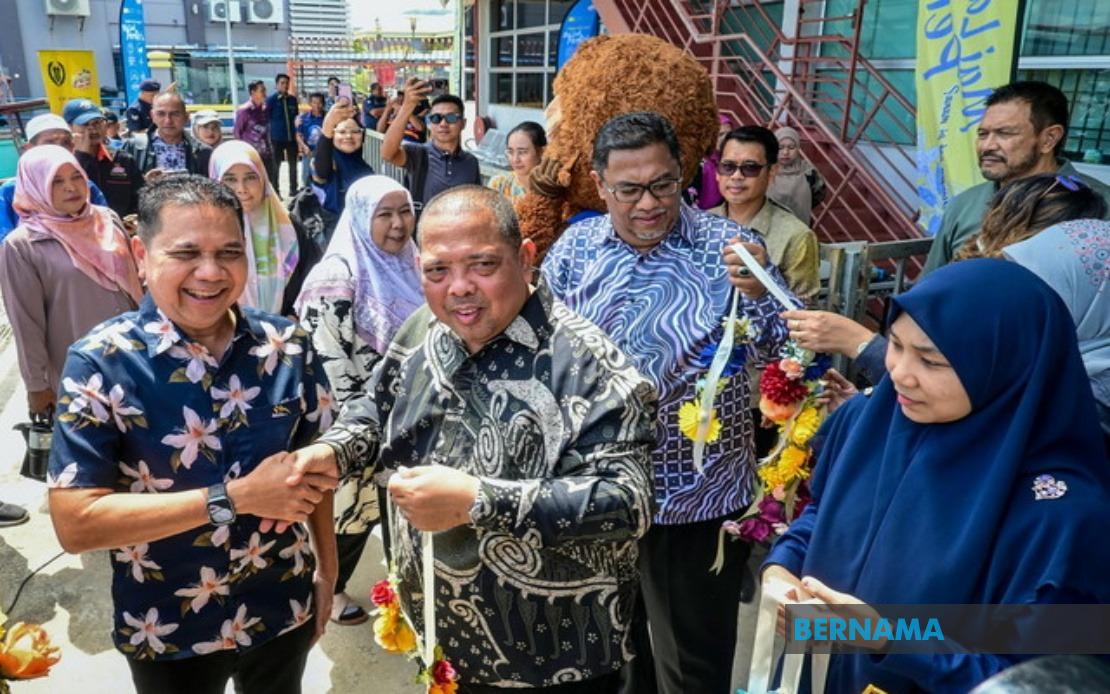
Perlis is banking on the resumption of direct sea transport to Thailand as a catalyst for tourism expansion, with Menteri Besar Abu Bakar Hamzah projecting annual visitor arrivals of between 5.5 million and 6 million following the reopening of the Kuala Perlis-Satun ferry service. The maritime link, dormant since the COVID-19 pandemic disrupted cross-border travel, officially relaunched on July 9, marking a significant moment for the northernmost Malaysian state's aspirations to reclaim lost ground in the regional tourism circuit.
Abu Bakar emphasised that reactivating the 40-minute sea crossing offers more than logistical convenience. By reconnecting Perlis directly with Satun Province in southern Thailand, the service creates a strategic corridor for mutual tourism exchange and economic collaboration. Thai visitors, particularly from Satun, now have a streamlined pathway to access Kuala Perlis as a shopping and leisure destination, potentially redirecting purchasing power that might otherwise flow through alternative channels. For Malaysian tourists, the ferry provides a scenic alternative to conventional border crossings, capitalising on coastal sightseeing that complements the journey itself rather than treating transit as a mere necessity.
The Menteri Besar welcomed a delegation from Satun at the Kuala Perlis Ferry Terminal, underscoring the diplomatic dimension of the reopening. Such bilateral engagement extends beyond commerce; the ferry serves as a visible symbol of deepening Malaysia-Thailand relations at the subnational level. By facilitating smoother people-to-people exchanges, the service strengthens informal ties that often prove durable in regional diplomacy. Perlis, as the gateway state, positions itself as the custodian of this bilateral bridge, potentially enhancing its strategic importance within Malaysia's broader international engagement framework.
Congestion management represents another practical benefit. The Padang Besar land border crossing, which handles substantial traffic during peak holiday periods, faces recurring bottlenecks that frustrate both tourists and residents. By providing a viable maritime alternative, the ferry absorbs overflow demand and distributes traveller flow across multiple entry points. This alleviates pressure on land infrastructure while offering seasoned travellers a preference for the water route's perceived lower congestion. During the school holidays and festive seasons—periods when cross-border traffic spikes—this capacity diversification becomes particularly valuable for maintaining smooth border operations.
However, the current ferry service operates within constraints imposed by the natural environment. Abu Bakar acknowledged that shallow waters and fluctuating tidal conditions at the Kuala Perlis terminal create berthing challenges that, if unresolved, could undermine service reliability. The state government's proposed solution—installing a floating pontoon—addresses this problem pragmatically. Floating infrastructure adapts to water level variations, ensuring consistent operational capacity regardless of seasonal or daily tidal cycles. This investment signals serious commitment to maintaining dependable ferry operations, a prerequisite for building passenger confidence and establishing sustainable ridership patterns.
Looking beyond the immediate ferry resumption, Perlis is exploring more ambitious infrastructure projects. The proposed Ro-Ro service would extend the crossing's utility to vehicular transport, enabling tourists and traders to convey automobiles across the border without disembarking. This capability opens possibilities for cross-border vehicle tours and commercial logistics, fundamentally expanding the economic footprint of the maritime corridor. The state government is simultaneously engaging potential investors regarding a RM500 million bridge project spanning approximately two kilometres into the sea to overcome persistent navigation channel shallowness.
Such mega-infrastructure would represent a generational investment with transformative implications. A deep-water bridge or channel dredging project could accommodate larger ferries, higher passenger volumes, and more frequent sailings. It would also position Kuala Perlis as a regional maritime hub rather than merely a border crossing point. For Malaysian policymakers, such projects merit careful assessment regarding financial viability, environmental impact, and alignment with broader northern corridor development strategies. The investment quantum—RM500 million—places this initiative squarely within Malaysia's major infrastructure planning discussions, requiring inter-agency coordination and potentially drawing on federal development budgets.
The tourism projections deserve scrutiny. Reaching 5.5 to 6 million annual arrivals would require sustained marketing, competitive pricing against alternative destinations, and quality tourism infrastructure throughout Perlis. Current visitor numbers for the state remain modest compared to these targets, suggesting that the ferry alone cannot drive such growth without complementary investments in accommodation, attractions, and service standards. The state must develop tourism products that justify cross-border journeys, whether heritage experiences, culinary offerings, or natural attractions. Without such content, the ferry becomes mere transport infrastructure rather than a catalyst for destination appeal.
For Southeast Asian tourism strategists, the Kuala Perlis-Satun reopening exemplifies how post-pandemic recovery involves reinvigorating dormant cross-border connectivity. Thailand and Malaysia both stand to benefit from restored people-to-people movement, yet success depends on maintaining reliable service, competitive pricing, and integrated marketing efforts. Regional cooperation frameworks should support such initiatives, particularly where they enhance sub-regional identity and generate shared prosperity. Perlis, historically peripheral in Malaysian tourism narratives, sees the ferry as an opportunity for repositioning, yet realising this vision requires sustained commitment beyond the ceremonial reopening.
The environmental dimension warrants consideration. Maritime transport typically carries lower per-capita carbon footprints than road vehicles, particularly when ferries achieve reasonable passenger loads. As Southeast Asia grapples with climate commitments and sustainable tourism development, emphasising maritime connectivity as an environmentally preferable alternative to road crossings could enhance the ferry's positioning. However, operational practices—fuel efficiency, waste management, marine conservation—must align with sustainability rhetoric to avoid greenwashing accusations.
Perlis's approach reflects broader Malaysian efforts to differentiate regional tourism offerings and maximise cross-border opportunities. The Kuala Perlis-Satun ferry, whether viewed as tourism infrastructure, border management tool, or bilateral relationship symbol, embodies multifaceted policy objectives. Its success hinges not merely on resuming operations but on building sustainable demand through coordinated marketing, quality service delivery, and complementary destination development. The coming months will test whether projection meets reality and whether Perlis can translate maritime connectivity into tangible tourism growth and economic benefit for local communities.

