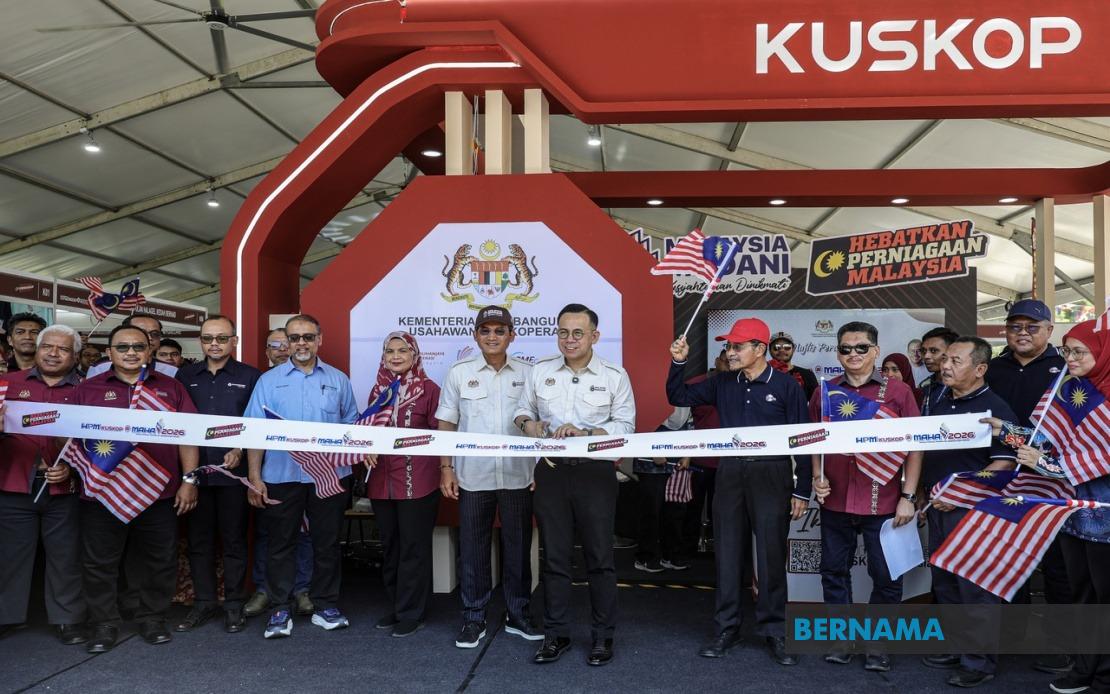
The Ministry of Entrepreneur and Cooperatives Development (KUSKOP) has set an ambitious sales target of RM500,000 for its inaugural presence at MAHA 2026, the biennial Malaysian agriculture and food sector showcase being held in Serdang. Minister Steven Sim announced that the pavilion, which marks KUSKOP's first participation at the event, has already achieved sales exceeding RM110,000 in its opening days, suggesting strong momentum toward the final target.
KUSKOP's participation at MAHA 2026 represents a strategic initiative to elevate the profile of Malaysian entrepreneurs and cooperatives within the nation's agricultural and food ecosystem. By securing one dedicated pavilion at the event, the ministry has created a concentrated platform for micro, small and medium enterprises to showcase their products and capabilities to a broad audience. The presence of approximately 66 companies, cooperatives, and MSMEs at the site underscores the depth of entrepreneurial activity that the ministry seeks to promote and nurture across various sectors aligned with Malaysia's food security and agricultural development goals.
The early visitor numbers paint a picture of genuine public interest in the offerings displayed at the HPMKUSKOP@MAHA 2026 site. With over 100,000 visitors recorded within the first several days of the event, the pavilion has successfully drawn foot traffic comparable to or potentially exceeding expectations for a debut showcase. This robust attendance reflects both the popularity of MAHA 2026 as a national agricultural event and the receptiveness of visitors to exploring entrepreneurial ventures and cooperative enterprises, particularly those aligned with food production and agricultural innovation.
The RM500,000 sales target, while specific, appears calibrated to the scale of participation and the duration of MAHA 2026. Given that the pavilion had already captured RM110,000 in sales before Minister Sim's announcement, the remaining target represents approximately RM390,000 in additional transactions. The trajectory suggests that if early sales rates continue or accelerate toward the event's conclusion, the target remains achievable. This performance metric will likely serve as a benchmark for assessing the success of KUSKOP's participation and may inform decisions about future involvement in similar flagship events.
The participation of KUSKOP at MAHA 2026 also carries broader policy implications for Malaysia's entrepreneurship and cooperative development agenda. The ministry's decision to dedicate significant resources to a consumer-facing exhibition platform indicates a recognition that grassroots enterprises require visibility and market access opportunities to thrive. By facilitating direct connections between MSMEs and consumers at a high-traffic event, KUSKOP is addressing a perennial challenge faced by smaller businesses: breaking through market clutter and building brand awareness without prohibitive marketing expenditures.
The composition of exhibitors at the pavilion reflects the diversity of Malaysia's entrepreneurial landscape. With 66 entities spanning companies, cooperatives, and MSMEs, the showcase likely encompasses ventures across various subsectors including food production, value-added agricultural products, sustainable farming practices, and cooperative-based enterprises. This diversity not only enriches the visitor experience but also demonstrates the breadth of economic activity that KUSKOP supports and that operates beyond the traditional corporate sector.
For entrepreneurs and cooperative members exhibiting at the pavilion, MAHA 2026 represents a critical opportunity to test market reception, build customer relationships, and generate immediate revenue. The sales figures already achieved suggest that visitors are not merely browsing but actively purchasing products and services, indicating strong consumer confidence in the offerings presented. This pattern of converting foot traffic into actual sales distinguishes productive participation at trade shows from merely achieving attendance numbers.
The backdrop of MAHA 2026 itself, as organized by the Ministry of Agriculture and Food Security under Datuk Seri Mohamad Sabu, provides valuable context for understanding KUSKOP's participation. By aligning the entrepreneurship and cooperative development ministry with the agricultural showcase, the government is reinforcing a strategic narrative linking small and medium business development to food security and agricultural advancement. This integrated approach reflects recognition that Malaysia's agricultural sector requires not just large-scale production but also entrepreneurial energy, innovation from smaller players, and the cooperative model to remain competitive and sustainable.
The attendance of KUSKOP secretary-general Datuk Seri Khairul Dzaimee Daud alongside Minister Sim at the pavilion opening underscores institutional commitment to the initiative. The presence of senior leadership signals to exhibitors and visitors alike that this is a priority undertaking for the ministry, not merely a procedural participation. Such visibility can enhance the credibility of participating enterprises and reinforce the ministry's role as an active facilitator of entrepreneurial development rather than simply a regulatory body.
Looking forward, the performance at MAHA 2026 will likely inform KUSKOP's strategy for future event participation and pavilion-based marketing initiatives. The early success metrics—both in visitor numbers and sales conversion—suggest that agricultural trade shows represent an effective channel for connecting MSMEs with consumers and potentially with wholesale buyers, importers, and other commercial partners. If the ministry achieves or approaches its RM500,000 target, expect to see reinforced commitment to this exhibition model in coming years, potentially with expanded representation or enhanced pavilion experiences.
For Malaysian entrepreneurs and cooperative enterprises, the visibility achieved through participation at MAHA 2026 extends beyond immediate sales figures. The exposure gained at such a prominent national event can enhance brand recognition, attract media attention, and create opportunities for business partnerships and supply chain linkages. These secondary benefits, while harder to quantify than direct sales, often prove as valuable as the immediate revenue generated, positioning participating enterprises for sustained growth and market expansion.

