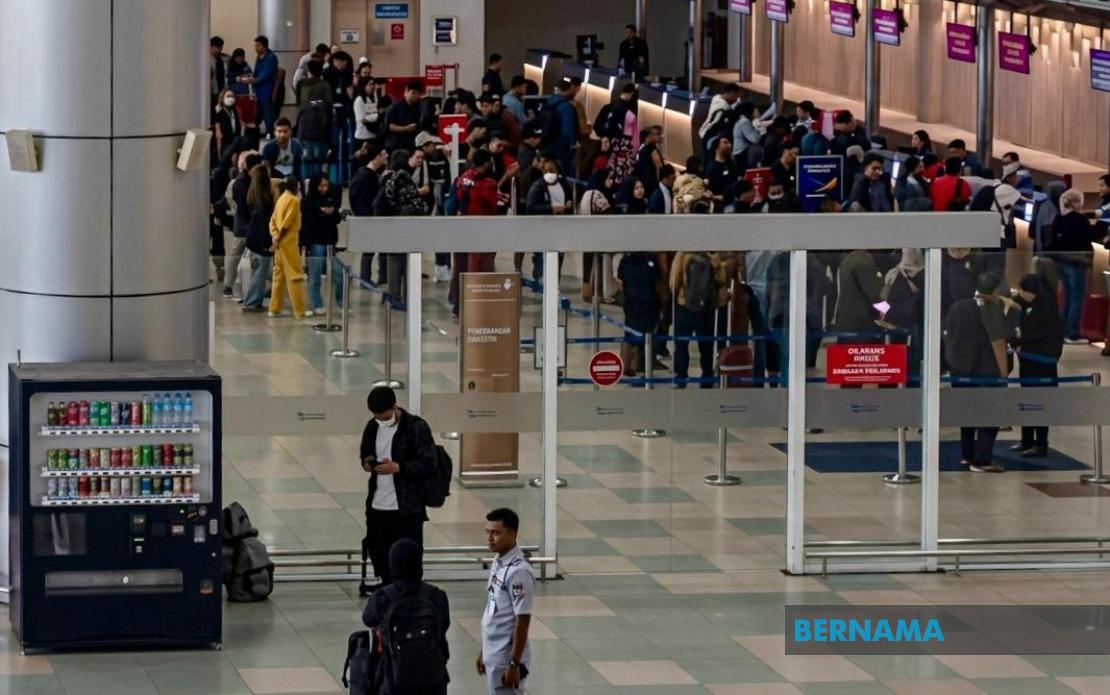
The discovery of explosives near Labuan Airport has forced authorities to temporarily suspend all runway operations on June 26, disrupting passenger flights across the region and prompting immediate safety protocols. The Royal Malaysian Air Force announced the closure through an official Notice to Airmen at 5pm, with no immediate timeline provided for when normal operations might resume. Located approximately 150 metres from the active runway, the discovered ordnance triggered a joint response from military and civil aviation authorities determined to ensure traveller safety before permitting any aircraft movements.
The temporary shutdown affects what is a crucial transportation hub for the federal territory of Labuan and surrounding areas in Sabah. As a relatively smaller airport compared to Malaysia's major hubs, Labuan serves as a vital connection point for residents, oil and gas sector workers, and business travellers conducting operations across Brunei and the broader Borneo region. The facility typically handles scheduled services to multiple destinations, making even brief operational interruptions significant for the local economy and regional connectivity.
Airlines operating from Labuan immediately began implementing contingency measures to manage the disruption. Flight services scheduled for departure in the afternoon and evening—specifically departures at 4.05pm, 5.15pm, 6.05pm, 6.15pm, and 7.25pm—faced outright cancellation or diversion to alternative airports. The affected routes included crucial services to Kuala Lumpur, Kota Kinabalu, and Miri, representing the airport's primary flight corridors. Passengers found themselves stranded or forced to accept significant schedule changes with limited advance notice, highlighting the vulnerability of regional air networks to sudden security incidents.
The decision to close the runway while conducting thorough inspections reflects heightened security consciousness within Malaysian aviation authorities. The Royal Malaysian Air Force has taken direct operational control of the inspection process, ensuring that any determination to reopen the runway comes only after comprehensive safety clearance. This measured approach, while causing short-term disruption, demonstrates commitment to preventing potential disasters and protecting both passengers and airport personnel. The authorities have provided no specific timeframe, indicating they will not be pressured into premature decisions regardless of operational or commercial pressure.
For travellers caught in the disruption, the immediate challenge involves obtaining accurate information and rebooking arrangements. Airlines urged passengers to contact their respective carriers directly rather than relying on outdated announcements or assumptions about flight status. The travel advisory issued by airport authorities emphasised the importance of verification before proceeding to the terminal, acknowledging that communications during such incidents can sometimes lag behind operational realities. Business travellers and tourists alike faced uncertainty about alternative routing options and potential delays in reaching their destinations.
The incident underscores broader vulnerabilities within regional airport security and the potential for individual incidents to cascade across larger transportation networks. Labuan Airport, while serving essential functions, lacks the redundancy of larger facilities where multiple runways provide operational flexibility during closures. Neighbouring airports in Sabah and Brunei would likely experience increased traffic if the closure extended beyond several hours, potentially affecting their own operations and creating congestion throughout the region. The interdependence of regional aviation infrastructure means that security incidents at one facility can ripple outward in ways difficult to predict or control.
The timing of the discovery raised questions about operational procedures and whether existing security protocols had functioned as intended. Standard airport security typically involves perimeter inspections and surveillance, yet the explosives were detected close enough to the active runway to necessitate complete operational shutdown. This suggests either that the devices were placed relatively recently, or that existing detection mechanisms required enhancement. Aviation authorities across Southeast Asia would likely review this incident for lessons applicable to their own operations, particularly given the region's concerns about various security threats affecting critical infrastructure.
Beyond the immediate operational disruption, the incident carries implications for passenger confidence in regional aviation and airport security measures. Travellers accustomed to seamless journeys between Southeast Asian cities may become more cautious about routing through smaller regional airports, potentially affecting their future travel decisions. Airlines might also reassess their schedules and investment in routes serving smaller facilities if security incidents threaten operational viability. These indirect consequences could extend the impact far beyond the period of the actual runway closure.
The recovery process would require not just clearing the immediate threat but also conducting comprehensive safety inspections to ensure no additional hazards remained. The joint operation between the Royal Malaysian Air Force and airport authorities represented a coordinated approach typical of Malaysian emergency responses, leveraging military expertise in ordnance handling alongside civilian aviation knowledge. Once safety clearance was granted, authorities would need to carefully orchestrate the return to normal operations, potentially implementing enhanced security measures that could affect long-term operational procedures at the facility.

