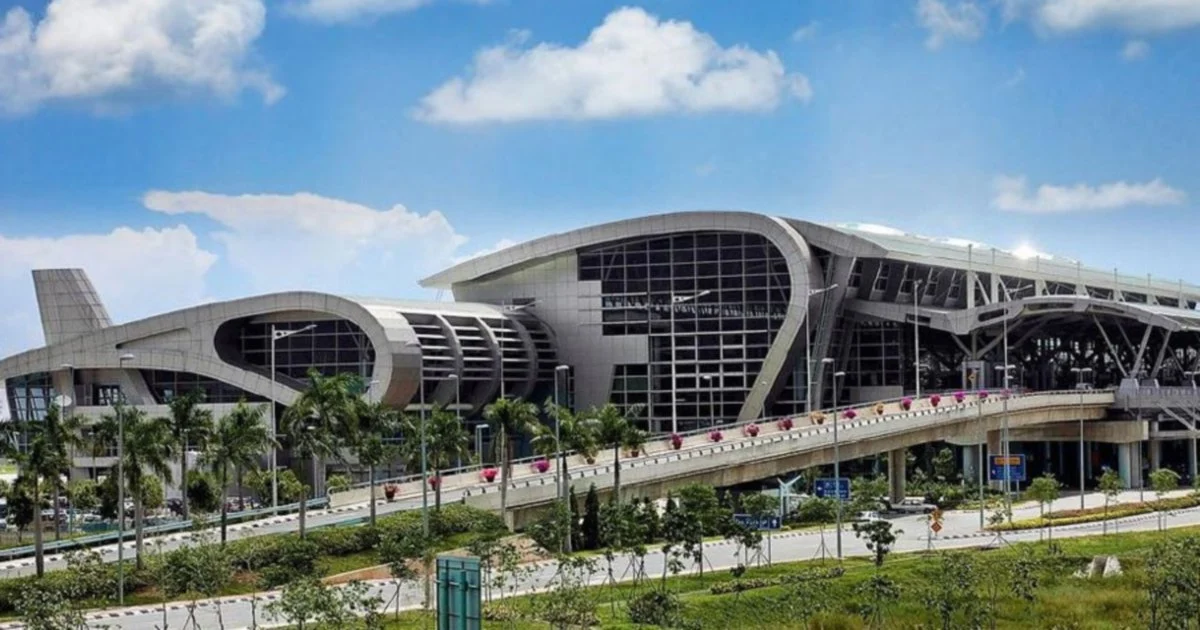
The anticipated enlargement of Kota Kinabalu International Airport, earmarked at nearly half a billion ringgit, cannot progress until lingering land ownership and site access complications are settled between federal authorities and the Sabah government. Deputy Transport Minister Datuk Hasbi Habibollah highlighted this obstacle as the primary constraint preventing commencement of construction activities at the state's main aviation gateway.
The expansion initiative represents a significant infrastructure undertaking for Malaysia's most easterly airport hub, which has faced mounting passenger traffic pressures in recent years. Kota Kinabalu's strategic location serving Sabah's tourism and business sectors has generated demand for enhanced terminal capacity, additional aircraft parking positions, and modernised ground facilities. The project scope extends beyond simple terminal renovations, addressing systemic capacity bottlenecks that have accumulated as visitor numbers to the state continued rising.
Land tenure complications frequently emerge as dealbreakers in major infrastructure projects across Malaysia, particularly in East Malaysia where historical title disputes and overlapping state-federal jurisdictions can create protracted negotiations. The Deputy Minister's acknowledgement suggests that the airport expansion faces not merely bureaucratic delays but substantive disagreements over land boundaries, usage rights, or compensation frameworks that demand resolution at governmental level rather than through standard project management channels.
Sabah's position as landowner or stakeholder in the airport site gives the state government considerable leverage in negotiations with federal transport authorities overseeing the project. Such arrangements often require harmonising competing development priorities, environmental assessments, and commercial interests between Putrajaya's infrastructure ambitions and Kota Kinabalu's local considerations. The complexity multiplies when federal aviation bodies, state land authorities, and potentially private airport operators all claim legitimate interests requiring accommodation.
The RM500 million quantum suggests a comprehensive modernisation rather than incremental upgrades. Such investment typically encompasses new terminal wings, expanded immigration and customs facilities, upgraded cargo handling infrastructure, and enhanced passenger amenities reflecting international aviation standards. For Sabah, improved airport infrastructure carries implications beyond convenience, potentially unlocking tourism revenue, facilitating business travel, and strengthening the state's regional connectivity profile within Southeast Asia's aviation network.
The stalled expansion occurs within a broader context of Malaysian airports seeking capacity enhancements. Kuala Lumpur International Airport, Penang International, and Johor's Sultan Ismail Petra Airport have all undertaken terminal upgrades responding to passenger growth and competitive pressures from regional hubs in Singapore, Bangkok, and other centres. Kota Kinabalu's delays in matching these developments could disadvantage Sabah tourism competitiveness if rivals capture market share through superior facilities.
Malaysian airports typically operate under complex regulatory frameworks balancing federal aviation authority oversight, state government involvement, and increasingly, private concession arrangements. Such arrangements can create friction points when expansion projects require land acquisition, environmental clearances, or relocated facilities affecting state interests. The Deputy Minister's candid reference to outstanding disputes suggests negotiations remain substantive rather than near conclusion, implying potential delays of months or potentially longer depending on the severity of underlying disagreements.
For airline operators, travel agents, and tourism businesses dependent on Kota Kinabalu's gateway functions, extended uncertainty complicates expansion planning. Airlines contemplating additional flights to Sabah require confidence that airport infrastructure can accommodate growth; without clear expansion timelines, carriers may hesitate deploying additional aircraft to the destination. Similarly, hoteliers and tourism operators planning capacity increases factor in airport readiness when evaluating investment commitments.
The Deputy Minister's statement, while acknowledging the impasse, stops short of specifying timelines or proposing solutions. This restraint may reflect genuine uncertainty about negotiation progress or diplomatic caution regarding delicate state-federal relations. Sabah government officials would likely present their perspective differently, possibly emphasising demands for benefit-sharing, environmental protections, or alternative compensation arrangements that federal authorities find challenging to accommodate within budgetary constraints.
Sector observers note that infrastructure bottlenecks at secondary Malaysian airports create spillover effects. Insufficient Kota Kinabalu capacity can divert passenger traffic toward alternative routes, increasing flight loads on competing services and potentially raising airfares for Sabah-bound travellers. Conversely, unresolved land disputes postponing improvements risk competitive disadvantage if neighbouring regional airports advance their modernisation programs first, particularly those in Thailand and Indonesia attracting similar tourist demographics.
For Malaysian policymakers, the Kota Kinabalu situation underscores recurring challenges in coordinating infrastructure development across federal-state governance structures. Successfully resolving the airport expansion requires more than technical project management; it demands political will, creative negotiation frameworks, and potentially novel compensation or revenue-sharing arrangements accommodating legitimate state interests while advancing national aviation infrastructure objectives. The Deputy Minister's forthright identification of the bottleneck suggests recognition that bureaucratic processes alone cannot overcome the fundamental disagreements requiring resolution.

