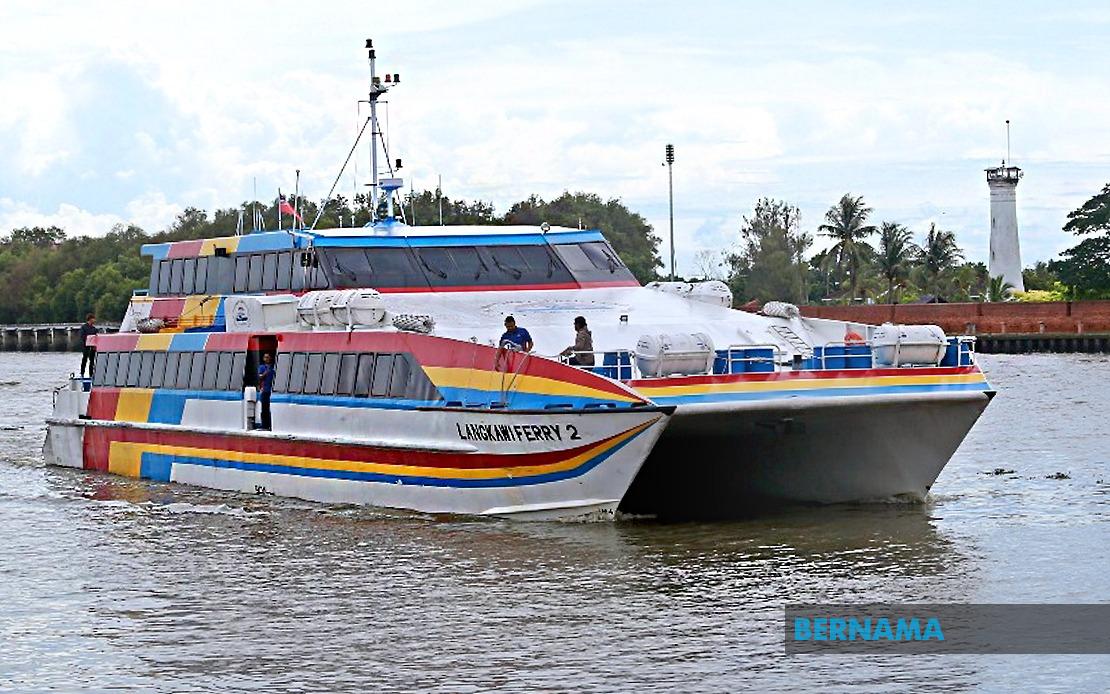
Langkawi's ferry operators have escalated calls for the federal government to accelerate dredging operations in the navigation channels at Kuala Kedah and Kuala Perlis, citing mounting concerns over silt accumulation that poses safety risks to passenger vessels and threatens the viability of services critical to the island's tourism economy. The appeal underscores a growing infrastructure challenge that, if left unaddressed, could undermine regional connectivity and Malaysia's standing as a premier travel destination.
Lieutenant Commander (Retired) Norhafiz Abdul Wahid, operations manager at Ferry Line Ventures Sdn Bhd, articulated the operational pressures facing the sector in comments made in Alor Setar. The deteriorating condition of these waterways has created a cascade of complications: narrowing shipping corridors increase collision risks, complicate vessel maneuvering, and force operators to navigate with reduced cargo and passenger capacity during critical demand periods. The shallow draft conditions have already begun triggering schedule slippages that erode passenger confidence and undermine the predictability upon which tourism businesses depend.
The economic stakes are substantial. Ferry services represent the primary transport link connecting the peninsula to Langkawi, functionally integrating the island into Malaysia's broader tourism infrastructure. During seasonal peaks, these routes demonstrate remarkable capacity, processing up to 25,000 tourists daily across multiple sailings. This throughput efficiency reflects years of operational refinement, yet it remains vulnerable to maritime infrastructure deficiencies. The ferry system's performance directly influences visitor satisfaction, length of stay, and spending patterns, creating indirect multiplier effects throughout Langkawi's hospitality and retail sectors.
The timing of this infrastructure challenge carries particular significance given upcoming major events. Langkawi International Maritime and Aerospace Exhibition (LIMA), scheduled for 2025, will draw international delegations, media, and industry participants, placing intense pressure on transportation infrastructure. Peak season travel typically coincides with such occasions, and any service disruptions during this window could damage Malaysia's reputation for reliable, world-class facilities and deter future conference and exhibition business.
Comprehensive dredging operations demand more than one-time intervention; they require systematic maintenance protocols. Silting is an ongoing natural process in estuarine environments where river systems meet tidal zones. Without periodic intervention, channels gradually revert to shallower depths, necessitating cyclical dredging schedules calibrated to regional hydrological patterns and traffic volumes. Ferry Line Ventures has identified this maintenance gap and called for authorities to establish regular, programmed dredging cycles rather than reactive interventions triggered by operational crises.
The current holiday season illustrates the operational pressures mounting on ferry networks. Between August 27 and September 6, Ferry Line Ventures has scheduled 176 regular sailings supplemented by 66 additional trips to accommodate school holidays and National Day celebrations. Projections indicate approximately 90,000 passengers will traverse the two principal routes: Langkawi-Kuala Perlis-Langkawi and Langkawi-Kuala Kedah-Langkawi. These figures reveal the substantial and consistent demand for inter-island connectivity, demand that constrained shipping lanes cannot reliably accommodate without risking safety compromises or service degradation.
Advance booking metrics suggest strong consumer demand. Ferry Line Ventures reported that 86,978 tickets had been sold through online channels, physical counters, and telephone reservations ahead of the peak travel window. This data indicates consumer confidence remains robust, yet operators recognize this confidence is contingent upon reliable service delivery. Booking platforms like the Cuti-Cuti Langkawi application have modernized the ticketing experience, yet no technological sophistication can compensate for the fundamental infrastructural constraint posed by shallow, silted navigation channels.
The broader policy implication for Malaysia involves recognizing maritime infrastructure as foundational to regional competitiveness. Southeast Asia's ferry networks serve as vital circulation systems connecting island economies to mainland markets. Neglected infrastructure in one location creates cascading complications across supply chains and tourism networks. Investment in channel maintenance represents not merely local maintenance but strategic positioning within the wider ASEAN tourism and logistics ecosystem, particularly as regional travel demand continues recovering and expanding post-pandemic.
For Malaysian policymakers, the operators' appeal reflects a straightforward reality: tourism infrastructure requires continuous, forward-looking investment rather than episodic crisis response. Langkawi's position as a premium destination is partially predicated on accessibility and reliability. Competition from neighboring island destinations in Thailand and Indonesia remains intense, and service deficiencies could gradually redirect tourist flows to competing locations offering more dependable access and modern facilities. The dredging question thus transcends maritime operations to touch on strategic economic positioning and regional market share dynamics.
The ferry operators have framed their demand within a clear operational and economic logic: deferred maintenance creates cascading complications that ultimately prove more expensive and disruptive than proactive investment. Silting channels gradually reduce capacity, force operational compromises, generate schedule delays, and create safety hazards. Accumulated operational friction undermines the customer experience and competitive positioning. Conversely, maintaining navigable channels at optimal depths preserves transport efficiency, supports tourism throughput, and ensures Malaysia's inter-island connectivity meets the standards expected of a major tourism destination. The case for expedited dredging rests on straightforward cost-benefit economics rather than sectoral pleading, making it difficult for federal authorities to dismiss without addressing substantive infrastructure and economic development questions.

