The introduction of a government-operated sea ambulance service represents a watershed moment for Langkawi, an island that has grappled with significant obstacles in delivering timely emergency medical care for decades. With the service scheduled to commence operations early next year, residents and business owners across the archipelago are expressing cautious optimism that their island's most pressing healthcare vulnerabilities will finally be addressed through this dedicated marine transport initiative.
The impetus for this development reflects a broader recognition that Langkawi's geographic isolation, while a draw for tourism, has created genuine hardship for residents confronting medical emergencies. The absence of a dedicated sea ambulance has forced families and medical professionals to improvise solutions using whatever transport was available, a reality that has occasionally compromised patient outcomes and left islanders feeling abandoned by the system meant to protect them.
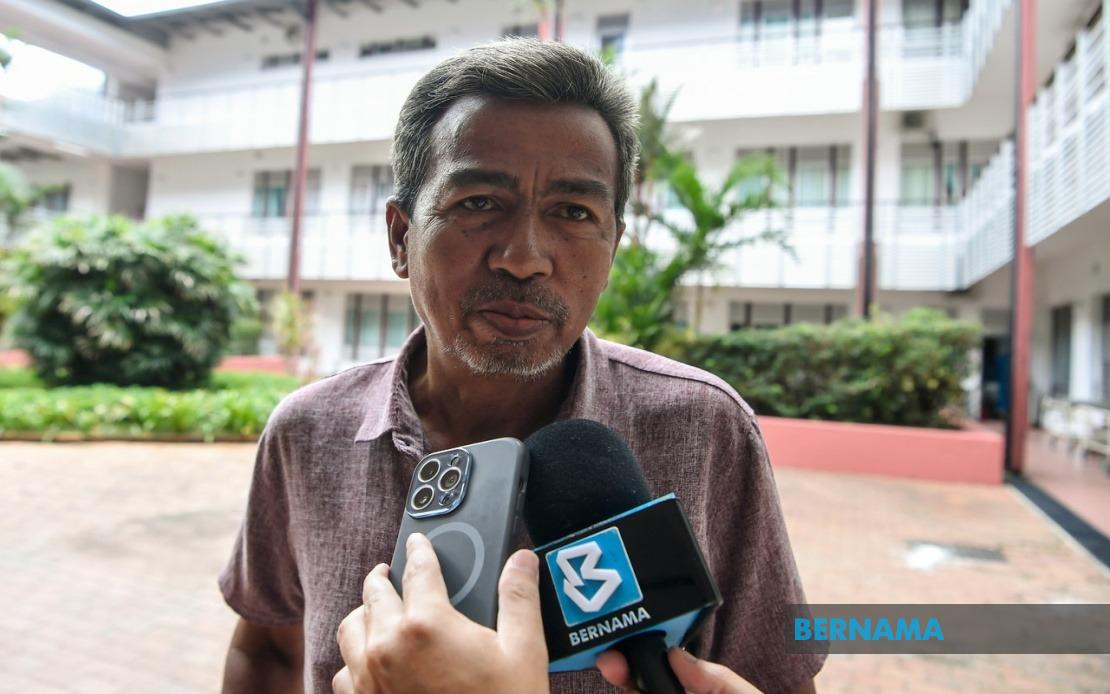
Yusuf Zakaria, chairman of the Langkawi Small Traders Association, articulated the sentiment of many residents when describing the government's commitment as overdue relief for a community that has waited years for formal recognition of their vulnerability. Though a non-governmental water ambulance service currently operates on the island, Zakaria emphasized that the government-operated variant would represent a qualitative upgrade in terms of institutional oversight and procedural standardization. The distinction he drew points to a fundamental gap between informal and formal emergency services—the latter providing the accountability and consistency that residents require when lives hang in the balance.
The practical difficulties Langkawi residents have endured extend well beyond inconvenience. Contractor Muhamad Hafiz Abdul Jalil described the previous reliance on ferry services as particularly problematic for patients requiring urgent mainland hospitalization. Ferry schedules operate independently of medical necessity, and vessels designed for routine passenger transport lack the equipment and personnel trained for in-transit medical stabilization. This mismatch between transportation infrastructure and healthcare needs has forced families to make agonizing decisions about whether to await the next available ferry or attempt alternative—potentially more dangerous—transit arrangements.
The temporal dimension of this challenge becomes acute during night hours, when ferry services cease operating entirely. Trader Masri Ahmad spotlighted this critical vulnerability, noting that emergencies occurring after sunset have historically left islanders with severely constrained options. A dedicated sea ambulance operating on demand would fundamentally alter this calculus, enabling responses calibrated to medical urgency rather than predetermined schedules. Beyond benefiting permanent residents, Ahmad observed that such a service would extend protective coverage to the thousands of tourists visiting Langkawi annually, transforming the island's healthcare profile in ways that enhance both resident welfare and visitor safety.
Finance Minister II Datuk Seri Amir Hamzah Azizan's announcement that the Ministry of Finance has allocated RM5.5 million for the sea ambulance's purchase and initial operating costs signals tangible government commitment to translating policy aspiration into concrete capability. This funding envelope encompasses both capital expenditure for the vessel itself and operational resources sufficient to establish baseline service delivery patterns. The specificity of the allocation suggests that planning has progressed beyond preliminary discussions, though the success of the initiative will ultimately depend on how effectively these resources are deployed and whether ongoing operational funding materializes once the initial allocation is exhausted.
The emergence of this service occurs within a broader context of Malaysian healthcare policymaking increasingly grappling with geographic equity. Island and remote communities historically occupy the periphery of national health infrastructure planning, partly because the costs of extending services to dispersed populations exceed those incurred in densely populated areas. The sea ambulance initiative thus carries significance beyond Langkawi itself, potentially establishing a model replicable for other island communities facing similar isolation—including those in Sabah, Sarawak, and the Sulu archipelago.
From a regional Southeast Asian perspective, Langkawi's experience mirrors challenges confronting island territories throughout the region. The Philippines, Thailand, and Indonesia all operate archipelagic healthcare systems constrained by similar geographic realities. Malaysia's investment in dedicated marine emergency transport may offer instructive lessons for neighboring countries contemplating similar interventions, particularly regarding cost-effective models for sustaining such services in commercially less viable markets.
The anticipated early 2025 launch timeline establishes a measurable target against which the government's follow-through can be evaluated. Residents and observers will closely scrutinize whether the service materializes on schedule, operates with the reliability and professionalism expectations demand, and receives adequate funding to sustain operations beyond the initial grant period. These early months will determine whether the sea ambulance becomes a routinely available lifeline or another government initiative that disappoints through inconsistent implementation.
The enthusiasm expressed by Langkawi's traders and business leaders reflects recognition that healthcare accessibility directly influences community wellbeing and economic viability. Island residents cannot fully participate in the economy if medical emergencies trigger panic about transportation logistics. Traders cannot operate confidently if they cannot reliably access healthcare for themselves and employees. The sea ambulance thus functions simultaneously as a humanitarian necessity and an economic enabler, justifying investment through dual metrics of welfare and development.
Ultimately, the sea ambulance service symbolizes a long-delayed acknowledgment that geographic distance should not determine access to emergency medicine in a middle-income nation with sophisticated healthcare infrastructure. The Langkawi initiative represents corrective action addressing systemic inequity, translated through RM5.5 million in government investment and operational commitment. For residents who have endured years of vulnerability, the impending service arrival promises transformation of what has historically been a liability of island residence into something approaching parity with mainland emergency capabilities.

