A kindergarten in Langkawi has been ordered to cease operations by Malaysia's Social Welfare Department (JKM) as investigations progress into serious allegations of child neglect and improper treatment at the facility. The directive comes amid mounting concerns about safeguarding standards at the institution, which has prompted collaboration between multiple government agencies to ensure child protection measures are enforced and accountability is established.
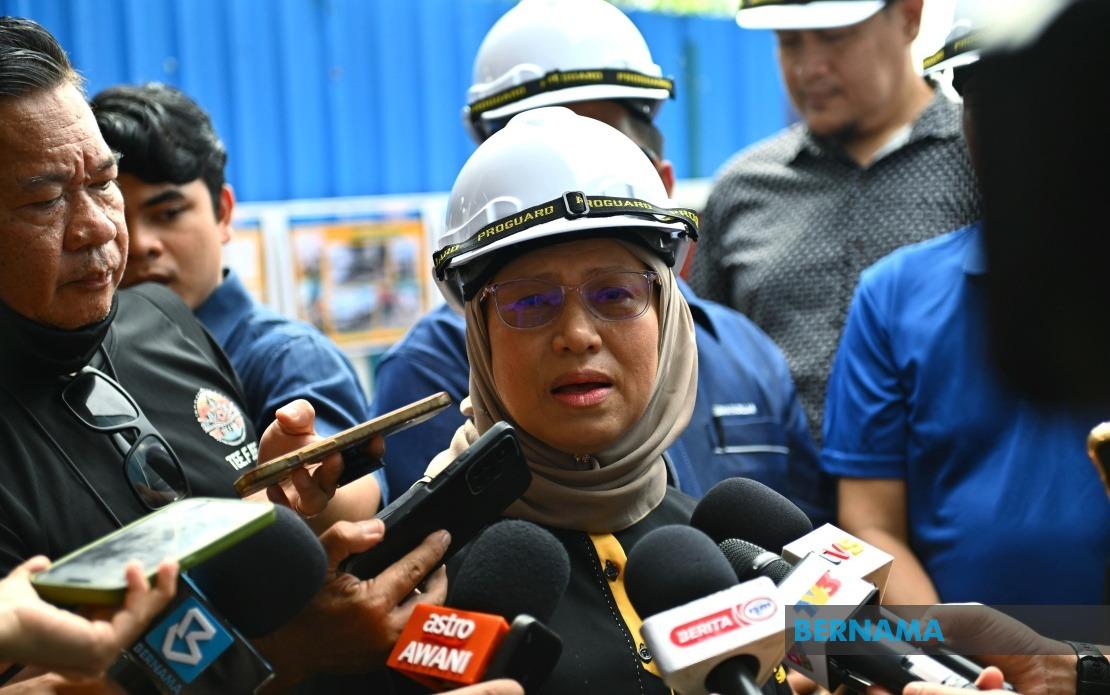
Women, Family and Community Development Minister Datuk Seri Nancy Shukri outlined the department's response to the controversy during a public visit to Kuching on July 18. While acknowledging that the kindergarten falls under the Education Ministry's regulatory jurisdiction, she emphasised that JKM's mandate in child protection demands active involvement in the case alongside other authorities. The temporary closure decision reflects the gravity with which the government is treating the allegations and the need to prevent further potential harm while fact-finding processes continue.
The investigation centres on complaints filed by a former kindergarten teacher who reported practices that appear to fall short of acceptable childcare standards. According to Langkawi district police chief ACP Khairul Azhar Nuruddin, the inquiry is examining allegations that children were required to sleep directly on floors without mattresses and were confined to toilet spaces. These claims, if substantiated, would represent serious breaches of children's fundamental rights to dignity, comfort, and safe environments in educational settings.
Investigative work is proceeding methodically to determine the veracity of these serious accusations. Police are employing multiple verification methods, including detailed examination of CCTV footage from the premises and collection of witness statements from staff members and potentially affected families. This comprehensive approach aims to establish a clear factual record and identify whether the alleged practices were isolated incidents or part of systemic failures in the kindergarten's operations and oversight.
The case is being pursued under Section 31(1) of the Child Act 2001, the relevant legislation governing child protection matters in Malaysia. This legal framework empowers authorities to investigate and take action against institutions or individuals whose conduct endangers children's welfare. By invoking this statute, the government signals its commitment to upholding the act's protections and demonstrates that violations will trigger formal enforcement mechanisms regardless of an establishment's operational status or community profile.
Minister Nancy Shukri conveyed a direct appeal to parents whose children attended the kindergarten, urging them to cooperate fully with police instructions as investigations unfold. This guidance underscores both the seriousness of the allegations and the need for community cooperation in child safeguarding efforts. Parents are positioned as crucial participants in uncovering facts and protecting their children from any ongoing risks, reinforcing the principle that child safety requires collective vigilance across families, institutions, and authorities.
JKM's involvement extends beyond issuing closure directives to include active investigative support. The department's child protection officers are working jointly with law enforcement and the District Education Office to gather relevant documentation and compile comprehensive reports needed to advance the investigation. This inter-agency coordination reflects recognition that child welfare cases require expertise from multiple sectors and that information sharing enhances investigative effectiveness.
The kindergarten operator has already received formal warnings regarding compliance with child care standards and regulations. Authorities emphasised that proper adherence to established safety protocols, care requirements, and welfare provisions is mandatory. The minister made clear that any violations of legal requirements will result in appropriate enforcement action, establishing an unmistakable message that regulatory breaches carry serious consequences. This positions the pending investigation as both a fact-finding exercise and a potential catalyst for more stringent corrective measures.
The incident raises broader questions about oversight mechanisms for early childhood educational facilities across Malaysia. While the Education Ministry retains primary regulatory responsibility for kindergartens, the involvement of JKM highlights the need for robust inter-ministerial coordination and regular compliance audits. For Malaysian parents, the case serves as a reminder of the importance of thoroughly researching childcare facilities, understanding their operational standards, and maintaining open communication with educators about their children's daily experiences and wellbeing.
Beyond the immediate investigation, this situation reflects ongoing efforts by Malaysia's government to strengthen child protection frameworks and institutional accountability. The swift response from both JKM and police demonstrates that allegations of child neglect trigger serious responses rather than dismissal or minimisation. For Langkawi and broader Malaysian communities, the case underscores that child safety remains a priority concern for authorities and that parents have recourse when institutional failings jeopardise their children's welfare and rights.

