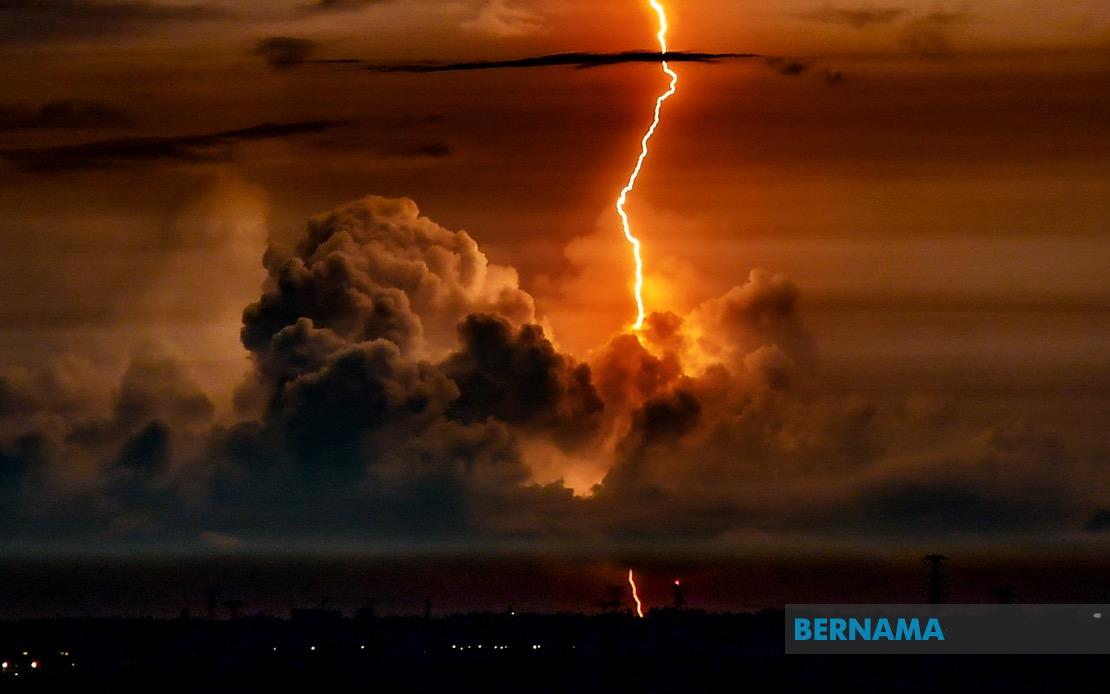
The Lao government has moved to mobilise its disaster response systems as extended periods of torrential rainfall continue threatening populated areas across the country, with Khammuan province already grappling with active flooding and damage to critical infrastructure. The meteorological authorities issued their warning on Wednesday, flagging a pattern of atmospheric disturbance expected to bring additional moisture and instability to vulnerable regions throughout the week, creating a compounding risk that extends well beyond the current affected zones.
On-the-ground inspections conducted by local administrators in Khounkham district paint a picture of mounting water stress in the landscape. Officials traversed flooded communities on Wednesday, documenting how successive days of relentless downpours have swollen rivers and tributary streams beyond normal seasonal levels. The surge in water volume has inundated agricultural land where rice cultivation dominates the local economy, alongside residential properties and commercial establishments that dot the riverine lowlands. The flooding has created an immediate humanitarian concern, though officials have not yet reported significant casualties.
Transportation networks have borne the brunt of the hydrological onslaught. Multiple roadways now carry flowing water across their surfaces, rendering them impassable or hazardous for vehicles and pedestrians. The damage extends to the structural integrity of some routes, with erosion and washout undermining road beds in certain locations. This infrastructure degradation threatens to isolate communities from supply chains, medical facilities, and other essential services—a particular danger in rural districts where alternative routes may not exist. Restoration efforts have been identified as urgent, though the persistence of rainfall may hamper repair operations.
The Lao Department of Meteorology and Hydrology, operating under the Ministry of Agriculture and Environment, has cast a wide geographic net in its hazard assessment. The agency identified 30 districts across 10 provinces as meeting criteria for elevated risk of flash flooding and landslide activity. This broad-based designation suggests that the current weather system affecting Khammuan province is part of a larger regional atmospheric pattern capable of generating hazardous conditions across multiple administrative zones. The identification of such a large vulnerable population underscores the serious nature of the forecast and the potential for a major humanitarian event if heavy precipitation continues unabated.
Governmental response protocols have been activated at the provincial and district levels. Village administrators have received explicit instructions to maintain continuous monitoring of water conditions in their jurisdictions, watching for sudden changes that might signal imminent danger to downstream communities. Evacuation contingency plans have been ordered prepared, though authorities have not yet determined whether large-scale population relocation will become necessary. The emphasis on preparedness rather than immediate evacuation suggests that current conditions, while serious, have not yet crossed the threshold triggering mandatory mass displacement.
Residents inhabiting areas deemed particularly vulnerable have been advised to maintain heightened awareness of official communications. The government is urging affected populations to monitor real-time weather bulletins and water-level data disseminated by relevant authorities, positioning communities to respond swiftly should conditions deteriorate. This messaging acknowledges that individual preparedness and informed decision-making by households may prove as important as government intervention in determining outcomes when rapid flooding strikes. Instructions to remain prepared for evacuation serve notice that authorities regard rapid population movement as a realistic possibility, even if not imminent.
The flooding pattern affecting Laos reflects broader Southeast Asian vulnerability to monsoon-season weather extremes. The region's geographic configuration—characterised by river valleys, mountainous terrain, and dense rural settlement patterns—creates structural exposure to hydrological hazards. Khammuan province, situated in central Laos along major watercourses, represents exactly the type of geography where prolonged rainfall translates swiftly into dangerous flooding. The riparian and low-lying areas that authorities have specifically highlighted as requiring extra vigilance correspond to historically vulnerable zones where flood frequency and intensity have increased in recent decades.
For Malaysian and broader Southeast Asian observers, the Lao situation carries relevant lessons about regional disaster management capacity and climate vulnerability. The monsoon systems driving rainfall across Laos can influence weather patterns affecting Thailand, Cambodia, and potentially extend further eastward. Understanding how neighbouring nations experience and respond to extreme precipitation events provides insight into shared environmental risks and the adequacy of regional preparedness frameworks. The Lao government's measured activation of warning systems and coordination mechanisms demonstrates awareness of escalating risks, though the breadth of the hazard zone and the persistence of rainfall suggest authorities are operating within tight margins of response capacity.
Coordination between local, provincial, and national authorities will prove decisive in the coming days. The instructions issued to village officials presuppose functioning communication networks and rapid information flow from meteorological services to remote communities. Any breakdown in this coordination chain could leave populations in peripheral areas unaware of developing threats. The emphasis placed on round-the-clock water monitoring suggests authorities anticipate that critical changes could occur outside standard business hours, requiring sustained vigilance rather than periodic check-ins.
The medium-term trajectory depends heavily on meteorological developments beyond government control. If the forecasted pattern of thunderstorms and heavy rainfall materialises as predicted, accumulated moisture in soils already saturated by recent precipitation could trigger the landslide hazards that authorities have specifically flagged. Hillside failures pose particular danger in Laos's mountainous terrain, where such events can isolate communities and cause casualties difficult to predict or prevent through standard evacuation protocols. The dual threat of flooding and mass movement thus compounds the challenge facing disaster managers.

