Authorities in Laos have dealt a substantial blow to organised wildlife trafficking networks operating across the Mekong region, with a series of coordinated enforcement operations revealing the scale of the black market that threatens endangered species throughout Southeast Asia. The discoveries, made across two provinces in the past fortnight, underscore how the country has become a critical transit point for criminal syndicates moving contraband fauna destined for markets in Thailand, Vietnam, and beyond. Wildlife enforcement officials acting on intelligence uncovered the trafficking infrastructure that has operated with relative impunity, exploiting Laos's position as a crossroads for regional smuggling operations.
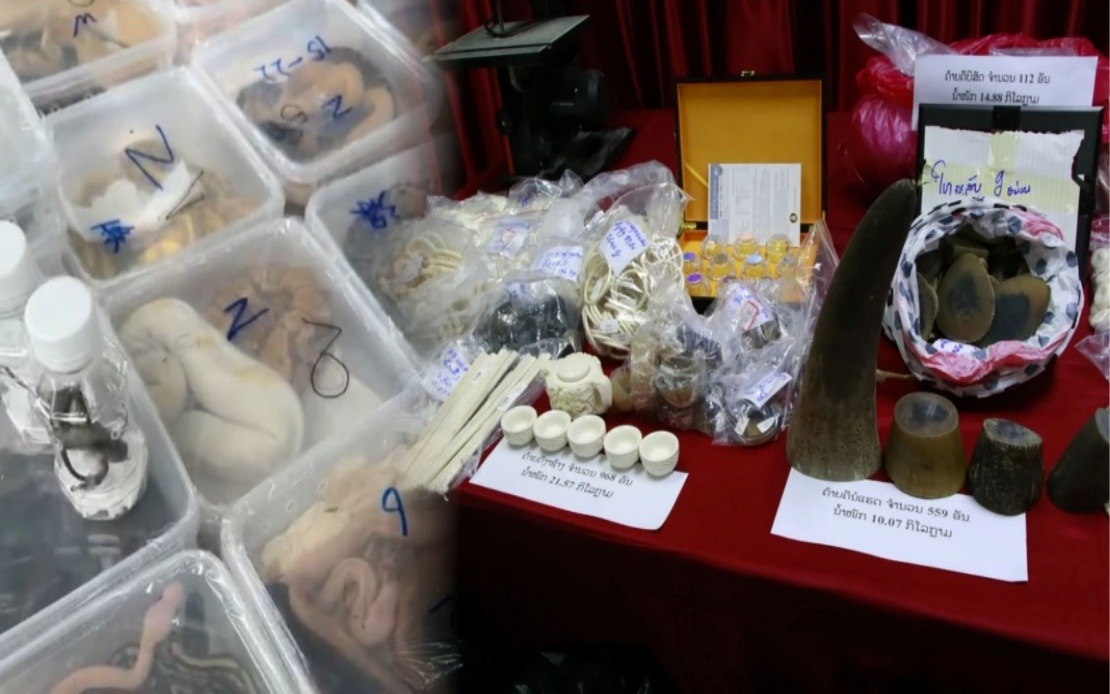
During an operation in Luang Prabang, one of Southeast Asia's most visited heritage towns, authorities intercepted a shipment of confiscated goods totalling 60 kilogrammes of illegal wildlife materials. The haul revealed the brazen nature of the traffickers, who were smuggling products with minimal concealment on international transport networks. Among the seized items were elephant ivory derivatives, animal gallbladders extracted for use in traditional medicine, pangolin scales harvested from the world's most trafficked mammal, and horns purported to be from critically endangered rhinoceroses. Additional containers held elephant skin powder, bear gallbladder concentrates, hornbill remains, and herbal preparations suspected of containing wildlife ingredients sourced illegally.
The scope of the trafficking apparatus became even clearer just days later when rangers deployed at the Vang Tao International Checkpoint in Champasak Province intercepted a transport carrying living specimens destined for illegal sale or possession. The checkpoint, which straddles the border between Laos and Thailand's Ubon Ratchathani Province, serves as a crucial chokepoint where authorities can monitor cross-border movement. Wildlife officers discovered 294 live reptiles and other animals packed into containers on a vehicle attempting transit into Thailand, including multiple species of turtles, ball pythons, green snakes, gold-ringed cat snakes, and various lizard species. The capture of so many creatures alive, rather than as processed products, suggests the traffickers maintain connections to smuggling networks that supply both the live animal trade and processors who convert wildlife into traditional medicine ingredients and luxury goods.
These operations reflect a broader pattern of enforcement activity across the region. Just weeks prior, Thai law enforcement arrested a businesswoman operating what appeared to be a legitimate traditional medicine and souvenir shop in Nakhon Phanom, in Thailand's impoverished northeast, only to discover over 100 protected animal remains hidden within the premises. The discovery pointed to a sophisticated supply chain where Laotian wildlife is laundered through Thai businesses, demonstrating how the smuggling network exploits porous borders and weak regulatory oversight. Meanwhile, in a separate operation conducted in mid-May, Thai and Laotian authorities working in coordination interdicted another shipment weighing 130 kilogrammes of processed elephant ivory and animal carcasses at a crossing along the shared frontier.
The strategic geography of Laos makes it uniquely vulnerable to becoming a trafficking hub. Bordered by five nations—Cambodia, China, Myanmar, Thailand, and Vietnam—Laos occupies a position of considerable transit significance within Southeast Asia's criminal underworld. The country's limited border surveillance capacity, combined with its role as a source of diverse wildlife species within its own rainforests and wetlands, creates a perfect environment for traffickers to consolidate contraband from multiple sources before redistributing it to final markets. Wildlife experts have consistently flagged Laos as a critical vulnerability point in regional anti-trafficking efforts, yet the enforcement response has historically lagged behind the scale of the problem.
The economic incentives driving these operations remain staggering. According to the United Nations Office on Drugs and Crime's World Wildlife Crime Report 2024, the global illegal wildlife trade generates approximately US$10 billion annually, a figure that places it alongside human trafficking, narcotics smuggling, and arms dealing as one of the world's most profitable criminal enterprises. For impoverished communities in rural Laos and neighbouring regions, the financial rewards for capturing or trafficking wildlife can exceed legitimate livelihood opportunities by orders of magnitude. This economic asymmetry means that enforcement operations, while important, address only the symptoms rather than the underlying conditions that motivate participation in the trade.
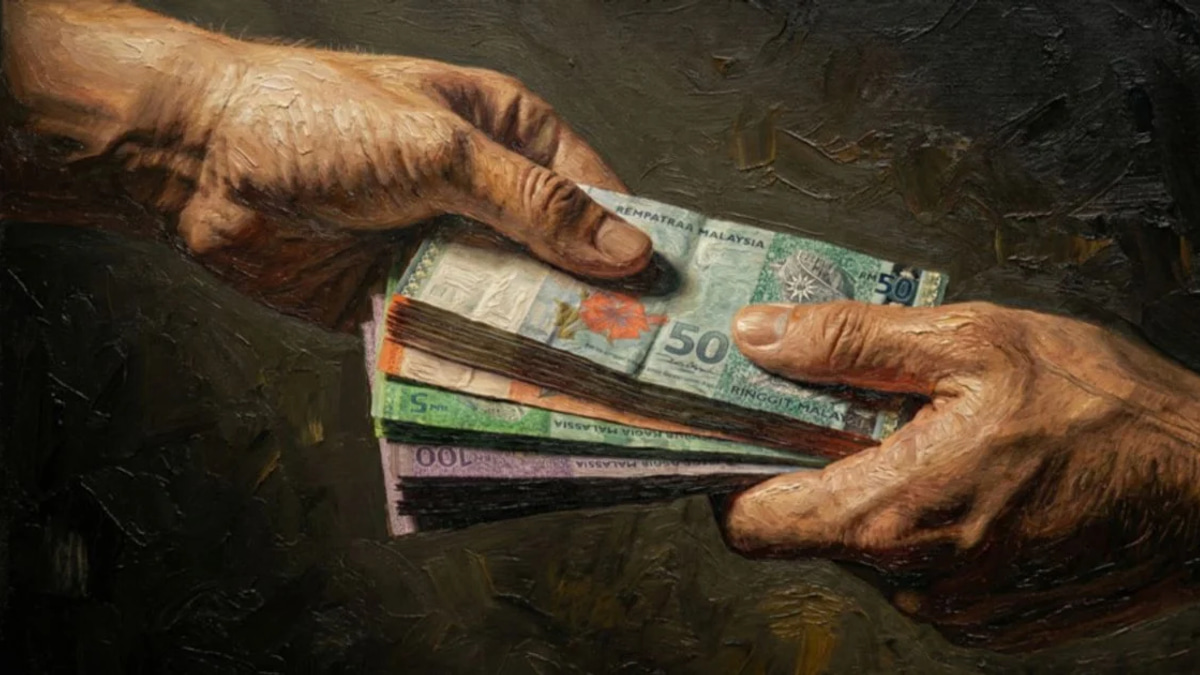
Corruption emerges as a critical enabling factor in the persistence of these networks. The UNODC report identified graft within government institutions and border authorities as a key mechanism allowing traffickers to operate with minimal disruption. In a region where official salaries remain modest and enforcement budgets are limited, the potential for officials to accept bribes in exchange for overlooking shipments or providing advance warning of operations creates systematic vulnerabilities. This dynamic suggests that sustainable progress against trafficking requires not merely enforcement operations but comprehensive institutional reform addressing compensation, oversight, and accountability within border security and wildlife protection agencies.
The species targeted in these recent seizures represent some of the world's most critically endangered fauna. Pangolins, whose scales appear regularly in trafficking seizures, have become functionally extinct in many regions due to poaching pressure. Elephants continue to be slaughtered for ivory despite the international trade ban, with poaching rates remaining unsustainably high across Africa and Asia. Rhinoceros populations have contracted to perilously low numbers, making every individual smuggled specimen a significant loss for already fragmented populations. The trafficking in bear gallbladder, driven by demand in traditional medicine markets, sustains farming operations where bears are kept in appalling conditions solely for bile extraction. Each confiscation represents not merely a crime prevention success but a potential reprieve for wild populations under relentless extraction pressure.
For Malaysia and other Southeast Asian nations, these trafficking networks pose both direct and indirect threats. The region's own wildlife populations face poaching pressure to supply these same international smuggling routes. Singapore, with its position as a major financial and logistics hub, has emerged as a transit point for contraband moving through the region. Vietnam's thriving illegal wildlife markets pull species from across the Mekong basin, including Malaysia's own protected fauna. The success of Laotian enforcement operations demonstrates that coordinated regional action, when properly resourced and executed, can yield results, offering a template that Malaysia and its neighbours might emulate through strengthened information sharing and cross-border coordination.
The momentum evident in these recent operations reflects growing international pressure and technical assistance flowing into the region. International NGOs, INTERPOL, and bilateral law enforcement partnerships have enhanced the capacity of Southeast Asian authorities to detect and interdict traffickers. Training programmes have equipped personnel with better investigative techniques and forensic capabilities for identifying wildlife species and tracing trafficking networks to their sources. However, these interventions remain unevenly distributed, and sustained funding remains uncertain. For enforcement to produce lasting reductions in trafficking rather than merely displacing it, these initiatives must expand beyond periodic crackdowns to establish permanent institutional capacity and genuine consequences for traffickers through prosecutions and lengthy custodial sentences.