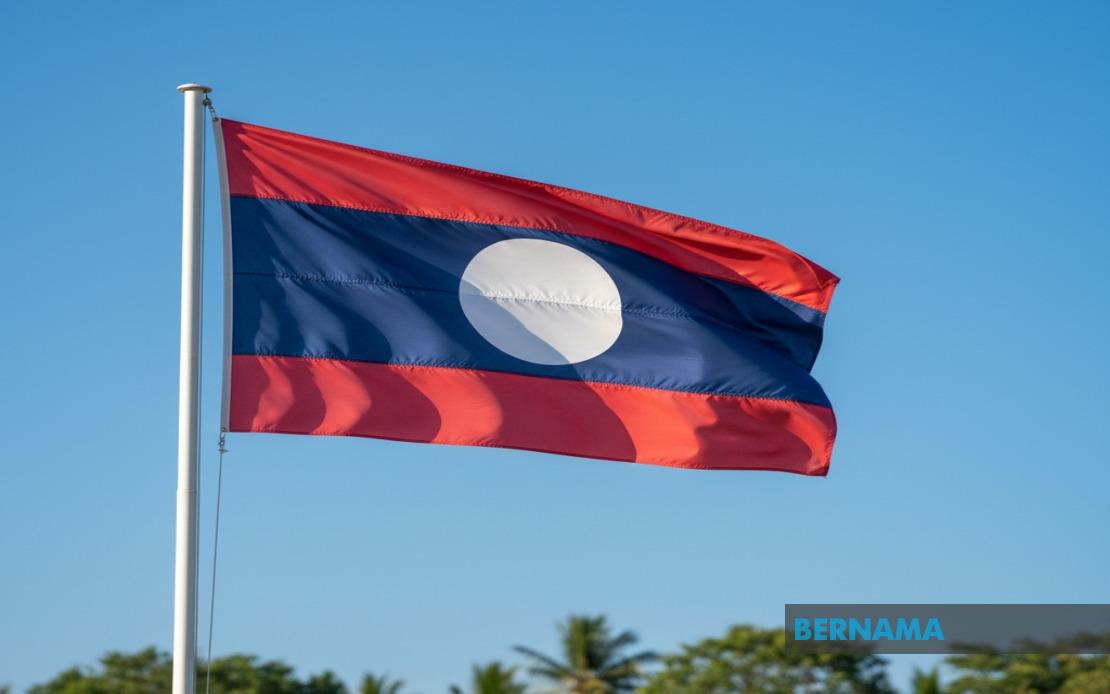
Laos has charted an ambitious course for transforming its media landscape by adopting a strategic modernisation roadmap at the country's first National Media Congress, held in Vientiane from Monday to Wednesday. The gathering, themed "Strengthening Party Leadership and Developing the Media Toward a New Level of Quality," brought together senior government officials, media executives, editors, journalists, and communication specialists to chart the future direction of the nation's journalism sector. The multi-day forum represented a significant moment for the media industry in the Southeast Asian nation, signalling government commitment to elevating standards and effectiveness across all news and information services.
The congress successfully achieved its core objectives by conducting a thorough review of historical media accomplishments while simultaneously identifying persistent challenges facing the sector. Delegates deliberated extensively on strategic measures needed to enhance both the quality and impact of media operations going forward. Khamphan Pheuyavong, who heads the Commission for Information and Education, presented the concluding summary during the closing session, outlining how the congress had fulfilled its mandate to establish clear directions and practical measures for strengthening Laos's media institutions.
Lao President Thongloun Sisoulith used the closing ceremony to articulate a five-point vision for the sector's development, reflecting broader governmental priorities for media evolution. His remarks underscored the administration's investment in ensuring that media organisations operate more effectively while maintaining alignment with national values and development objectives. The presidential intervention signals top-level political commitment to media sector reforms, a notable development in a region where government-media relations often remain complex and carefully managed.
The president's first priority emphasises fostering greater cohesion and collaborative spirit among media organisations throughout the country. This objective seeks to move beyond competitive fragmentation toward a more unified approach where news outlets learn from one another and develop shared understanding of the contemporary information environment. Critically, Thongloun Sisoulith highlighted the necessity for media professionals to distinguish between legitimate, constructive criticism and malicious or unethical attacks designed to undermine institutions. This delineation reflects growing concerns across the region about distinguishing authentic public discourse from coordinated disinformation campaigns.
The second priority directs media practitioners to actively preserve cultural and traditional values in their professional work. The president articulated this through a specific moral framework, encouraging journalists to embody humility, generosity, and mutual respect in their reporting while consciously rejecting vulgarity, dishonesty, and self-serving narratives. This values-based approach to journalism reflects Laotian cultural traditions and Buddhist principles that emphasise ethical conduct. For Malaysian and regional observers, this framework demonstrates how different Southeast Asian societies are attempting to modernise media sectors while maintaining distinct cultural identities and social cohesion principles.
Truth and justice form the foundation of the president's third objective, positioning responsible reporting as central to media credibility and public confidence. Thongloun Sisoulith emphasised that media organisations must actively counter misinformation and maintain rigorous factual standards to preserve their essential societal role. In an era of rapid information dissemination and widespread disinformation, Laos's commitment to anchoring media practice in truthfulness represents a common challenge across Southeast Asia, where governments, civil society, and media institutions grapple with maintaining information integrity amid digital disruption.
Government support and institutional capacity-building emerged as the fourth priority, with the president calling on Party and state agencies to strengthen their engagement with media organisations. Rather than adopting a purely hands-off approach, this framework envisions active government guidance, resource support, and constructive assistance to help media institutions develop their capabilities. This reflects a state-directed model of media development common in Laos and several neighbouring countries, where government and media operate within a framework of interdependence rather than traditional adversarial separation.
Professional excellence and continuous improvement constitute the fifth pillar of the presidential vision. The president encouraged journalists and media professionals to pursue ongoing skill development, embrace technological innovation, and demonstrate adaptability to shifting circumstances. This emphasis on lifelong learning and organisational flexibility recognises that media sectors across the region must evolve rapidly to remain relevant and effective in serving audiences increasingly reliant on digital platforms and real-time information sources.
The congress outcomes reflect broader regional patterns in how Southeast Asian governments approach media sector development. Unlike Western models emphasising press independence and adversarial oversight, Laos's framework positions media as institutional partners in national development, bound by shared cultural values and aligned with government objectives. This developmental journalism approach, while distinct from liberal democratic models, represents a considered strategy for managing information flows and maintaining social stability during periods of rapid economic and technological change.
For regional observers, particularly in Malaysia where media landscape questions remain contested, the Laotian congress provides insights into how neighbouring governments conceptualise media modernisation. The emphasis on ethical standards, professional development, and state-media cooperation contrasts with ongoing Malaysian debates about press freedom and editorial independence. Nonetheless, both contexts grapple with similar practical challenges: combating misinformation, improving journalistic quality, ensuring media sustainability, and managing diverse viewpoints within evolving information ecosystems.
The roadmap adoption suggests Laos intends to implement the congress recommendations through concrete institutional reforms and policy measures over coming months and years. This modernisation initiative may influence media practice across the country and potentially shape regional discussions about best practices in media development. As Southeast Asian nations compete for influence and attempt to manage information environments amid geopolitical tensions and rapid technological change, Laos's media modernisation strategy represents one model for balancing modernisation, cultural preservation, and state interests within a non-Western governance framework.

