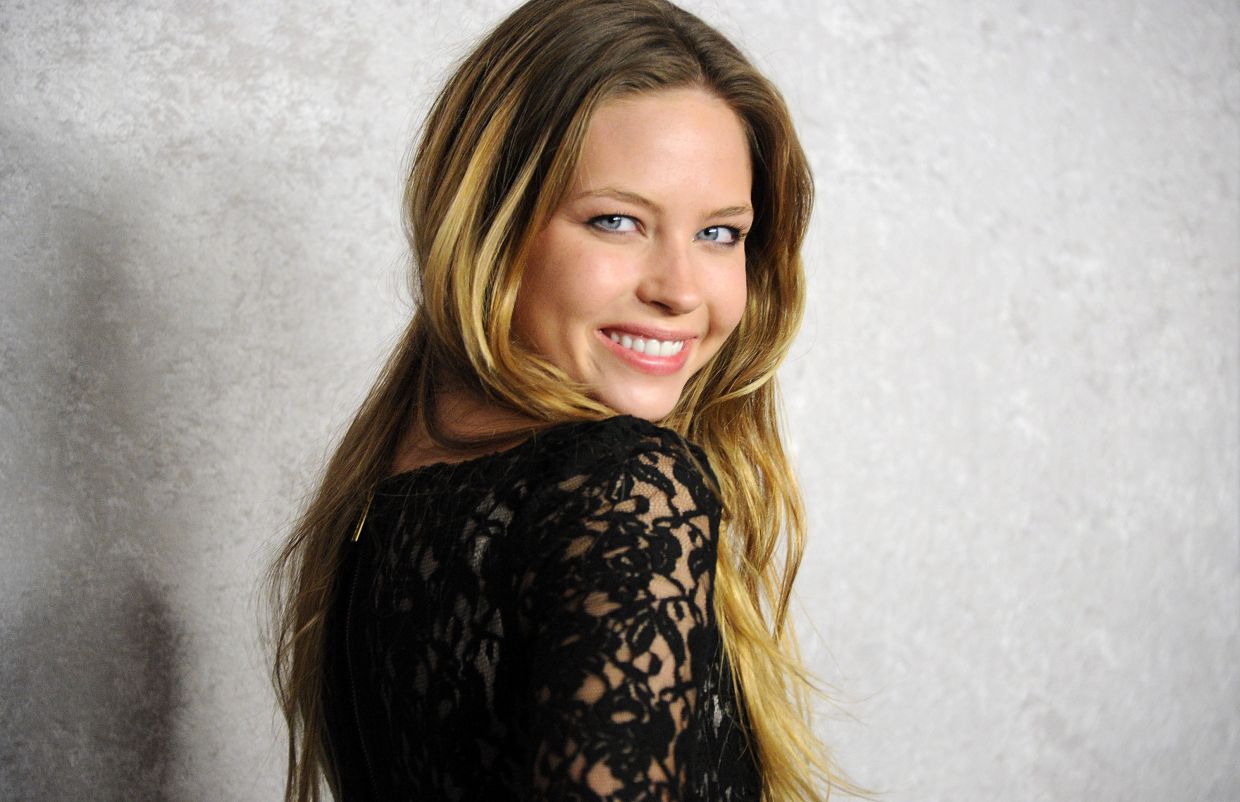
Daveigh Chase, the child actress whose voice brought Disney's beloved character Lilo to life, left behind a substantial RM1.6 million estate even as she struggled with homelessness in her final days, according to probate court filings made public this month. The revelation underscores the tragic arc of her life, from Hollywood prominence to street life and an untimely death at age 35. Chase's mother, Cathy Chase, has petitioned the Los Angeles Superior Court to serve as administrator of the estate, with a probate hearing now scheduled for August 12 to determine the management and distribution of assets.
The probate process has moved swiftly given the complexity of the case. Cathy Chase has requested that the court approve a US$400,000 bond, a standard requirement to protect the estate's beneficiaries during administration. Such bonds serve as insurance that the administrator will fulfil their fiduciary duties responsibly. The timeline suggests that despite the sizeable assets, resolving Chase's affairs involves the typical legal machinery that ensures transparency and proper asset stewardship.
Chase's death on June 16 at a Los Angeles hospital marked the end of a life marked by considerable turbulence. Her father revealed to media outlets that she had been living rough on the streets in the days and weeks preceding her hospitalisation, residing not far from the medical facility where she ultimately died. The proximity of her street encampment to the hospital where she passed away paints a poignant picture of her isolation and the challenges she faced in accessing stable shelter and care.
According to the Los Angeles medical examiner's official report, Chase died from acquired immunodeficiency syndrome, commonly known as AIDS, with mixed drug use identified as a contributing factor. The findings reflect broader public health challenges affecting vulnerable populations in urban America, particularly those experiencing homelessness. For Malaysian readers, the case illustrates how even developed nations struggle with the intersection of mental health, substance abuse, and housing insecurity that can devastate individuals, regardless of their previous social standing.
Chase's Hollywood trajectory demonstrates how rapidly a career can crumble and how difficult it can be for child stars to maintain stability into adulthood. She achieved significant recognition early in her career through voice work, becoming instantly recognisable to generations of viewers through the animated Disney film. Yet the entertainment industry's demands on young performers, combined with the psychological pressures of early fame, often leave lasting scars that manifest later in life.
Her withdrawal from public life occurred gradually after 2016, when she completed her final credited film roles and essentially abandoned acting altogether. The decision to step away from the industry came just one year before a serious legal incident that would further complicate her life. In 2017, Chase was arrested after allegations emerged that she had fled the scene of an incident involving a dying man found outside a hospital. While authorities did not suspect her involvement in the man's death, she faced charges related to leaving the scene and was reportedly wanted on an outstanding warrant at the time.
This 2017 arrest represented a visible marker of her deteriorating circumstances, signalling to observers that something had gone profoundly wrong. The gap between her voice acting stardom and her arrest demonstrates how quickly fortunes can reverse for individuals without adequate support systems. For Southeast Asian audiences, the case serves as a cautionary tale about the inadequacy of existing social safety nets for vulnerable individuals, particularly those with untreated mental health conditions or addiction challenges.
The paradox of Chase's situation—possessing significant financial assets while living on the streets—raises important questions about asset access and financial guardianship. Several scenarios might explain this apparent contradiction: the estate could have consisted primarily of illiquid assets such as property or investments that did not provide immediate living resources; there may have been legal impediments preventing her from accessing funds; she may have been unable to manage finances due to her physical and mental health conditions; or she simply became disconnected from formal banking systems as her homelessness deepened.
For the wider entertainment industry, Chase's fate resonates as a reminder of the long-term consequences of fame without proper mentorship and protection. Child actors often lack the maturity to navigate complex financial and personal decisions, and the systems designed to protect them remain inadequate. The absence of mandatory mental health support, financial literacy training, and long-term career guidance for young performers continues to pose risks to vulnerable individuals entering the industry at tender ages.
The probate process now underway will determine how Chase's RM1.6 million estate will be managed and distributed. Whether the funds will benefit her family members, charitable organisations, or other designated beneficiaries remains to be determined through the court proceedings. The August 12 hearing will mark a formal step toward resolving her financial affairs, though it will do little to address the deeper questions her life raised about societal support for marginalised individuals.
Chase's story stands as a sobering reminder that financial security does not automatically translate into lived stability, safety, or wellbeing. Her journey from celebrated voice actress to homeless individual struggling with AIDS and substance use underscores the complex interplay between mental health, social disconnection, and poverty. For Malaysia and the region, where urbanisation continues to create new vulnerable populations, the case provides uncomfortable lessons about the persistence of homelessness even among those with family connections and previously accumulated resources.

