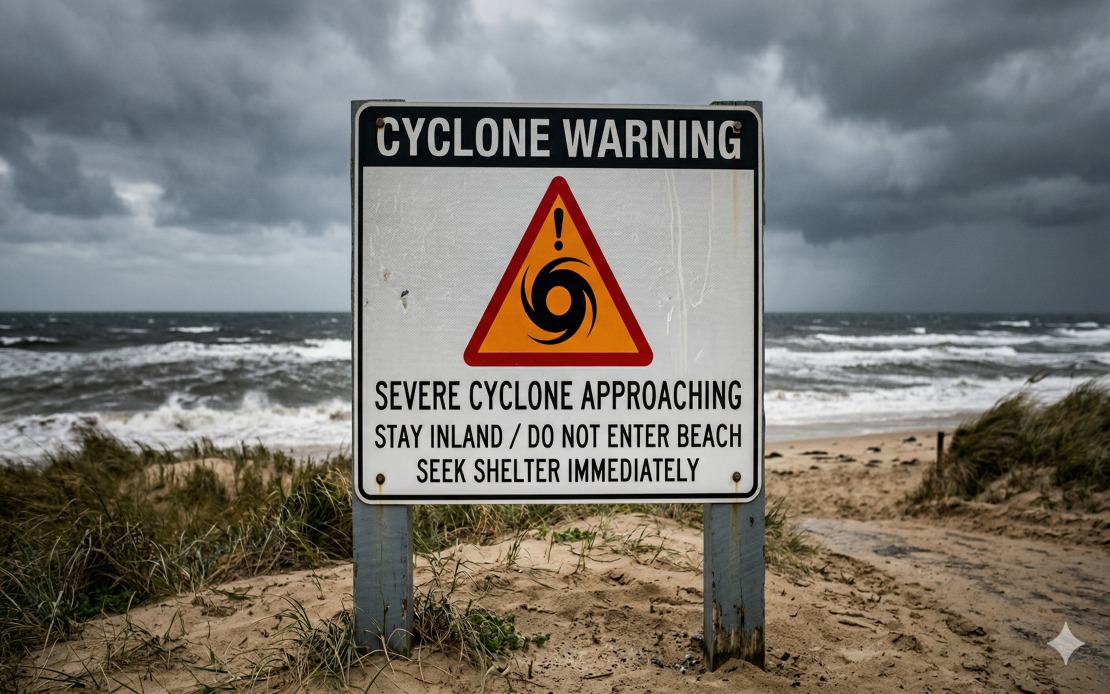
Latvia's meteorological authorities have escalated warnings to the most severe level as a major cyclone system bears down on the country, with forecasters predicting destructive rainfall and gale-force winds that could overwhelm infrastructure and pose serious risks to residents across central regions. The Latvian Environment, Geology and Meteorology Centre issued the red alert specifically for heavy rainfall affecting parts of central Latvia, with Riga and Jelgava identified as focal points of concern. The warning period commences at 8 am on Saturday and extends until 1 am on Sunday, though officials cautioned that the geographic scope of the alert could shift as meteorological data becomes more refined over the coming hours.
The cascading hazards posed by this severe weather system extend well beyond simple rainfall. Officials have warned that the deluge could inundate residential areas, submerge roadways, flood agricultural zones, and overwhelm gardens and green spaces across the affected regions. Transportation networks face particular vulnerability, with authorities indicating that saturated conditions may render certain routes completely impassable, effectively cutting off access to affected communities. Residents travelling through central Latvia should anticipate significant delays and prepare for the possibility of becoming stranded if they venture into compromised areas.
Critical infrastructure vulnerabilities represent another dimension of the developing crisis. The Latvian power grid faces exposure as strong winds could topple trees and snap branches across distribution lines. Similarly, water supply systems and telecommunications networks could experience service interruptions, leaving affected households without essential utilities and communication capabilities. These cascading failures create secondary dangers for vulnerable populations, including the elderly and those dependent on refrigeration for medical necessities.
In response to the escalating threat, Latvia's State Fire and Rescue Service has issued explicit guidance to the population. Residents are being urged to avoid non-essential outdoor activities, minimize travel, and secure any unsecured objects that could become airborne projectiles in high winds. Additionally, the emergency services emphasise the importance of charging mobile telephones and portable power devices, recognising that prolonged blackouts could leave residents unable to contact emergency services or receive critical updates.
The scale of disruption anticipated by meteorological authorities has already prompted precautionary cancellations. Entertainment and recreational events scheduled across Latvia for the weekend have been called off, reducing the concentration of people in vulnerable outdoor locations and demonstrating the seriousness with which authorities regard the forecast. This preemptive approach reflects lessons learned from previous severe weather episodes in the Baltic region.
Neighbouring Estonia faces comparable threats from the same weather system. The Estonian Environment Agency has issued analogous warnings regarding heavy precipitation and powerful winds expected to impact the country during the same period. Estonia's primary electricity distribution operator, Elektrilevi, has specifically flagged the danger of falling trees and branches causing power supply disruptions, suggesting that the cyclone's wind speeds represent a serious structural threat to the regional power infrastructure.
For Southeast Asian observers, this developing situation in the Baltic region underscores the increasing frequency and severity of extreme weather phenomena affecting temperate and northern latitudes. Malaysia and other tropical nations have long experience managing seasonal monsoons and cyclonic systems, yet European examples of how developed nations prepare for and respond to such threats offer comparative insights. The emphasis on early warning systems, public communication, and infrastructure resilience represents a model that developing regions can reference when strengthening their own disaster management frameworks.
The particular vulnerability of Baltic states like Latvia to severe weather reflects their geographic positioning and infrastructure characteristics. Unlike tropical regions with seasonal weather patterns established over millennia, northern European systems face less predictable and less frequently occurring extreme events, meaning preparedness infrastructure and public familiarity with emergency protocols may be comparatively less developed. This cyclone therefore serves as a test case for European emergency management capabilities during rare but high-impact meteorological events.
The economic ramifications of extended power outages and infrastructure damage in Latvia could be substantial. Agricultural enterprises may lose crops due to waterlogging, manufacturing and industrial facilities could face production stoppages, and tourism infrastructure may sustain damage. The financial impact extends beyond immediate repair costs to include lost productivity and economic activity during the recovery period. These considerations prompt regional authorities to take precautionary measures seriously, as the cost of prevention proves significantly lower than the expense of remediation following damage.

