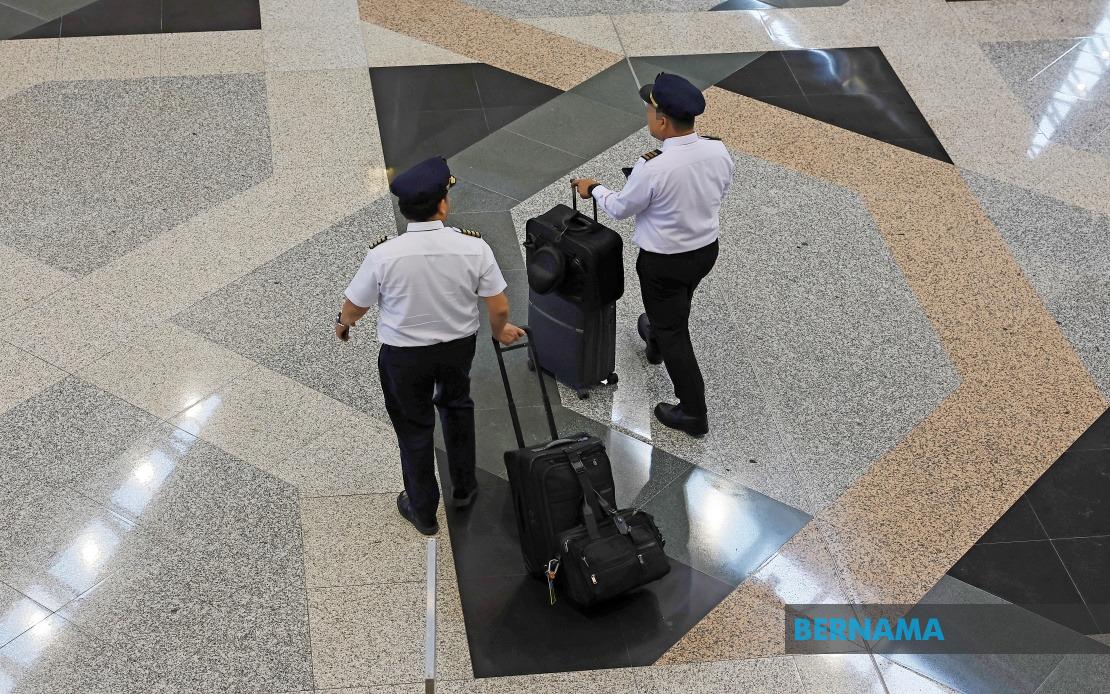
The Alliance For A Safe Community chairman Tan Sri Lee Lam Thye has pressed for an urgent and comprehensive overhaul of security screening mechanisms at Kuala Lumpur International Airport, prompted by the detention of a Malaysian pilot by Indonesian authorities at Soekarno-Hatta International Airport's Terminal 3. The 39-year-old aviator stands accused of attempting to transport approximately 25 kilogrammes of narcotics, an incident that has reignited concerns about potential vulnerabilities within Malaysia's aviation security infrastructure.
While emphasizing the fundamental legal principle that the accused remains innocent until proven guilty through proper judicial proceedings, Lee highlighted the incident as a watershed moment exposing troubling gaps in existing security protocols. The case raises uncomfortable questions about how airport personnel, particularly those with authorized access to restricted zones, are screened and monitored. The sheer quantity of drugs allegedly involved underscores the potential severity of lapses in detection systems, whether physical or procedural.
Lee's central concern centres on a critical question that demands immediate clarification: the mechanisms by which prohibited substances managed to evade detection at Malaysia's premier international gateway. The incident reveals possible weaknesses that could have compromised Malaysia's reputation for maintaining rigorous aviation security standards, at a time when the region faces heightened scrutiny over transnational drug trafficking networks. Whether the alleged contraband was concealed in checked baggage, carry-on items, or through other means requires transparent investigation.
The safety and security advocate specifically urged a multi-agency collaborative approach, directing his call towards enforcement authorities, airport security operators, the Royal Malaysia Police, and the Civil Aviation Authority of Malaysia. This institutional coordination is essential because aviation security operates across multiple overlapping jurisdictions and responsibility centres. Each agency must examine its particular domain—from baggage handling procedures to personnel vetting—to identify and rectify any systemic deficiencies that may exist.
A particularly sensitive dimension involves the screening of flight crew and airport staff themselves. These categories of personnel enjoy certain privileges and access rights that ordinary passengers do not possess, creating potential blind spots in security frameworks that may have evolved to focus predominantly on external threats rather than internal ones. Lee stressed that such exemptions or reduced scrutiny levels must be reconsidered, especially given that individuals with legitimate access can pose significant risks if compromised or if existing vetting procedures fail to identify vulnerabilities.
The incident also carries regional implications worth noting for Southeast Asian aviation authorities. Drug trafficking syndicates operating across the region increasingly target international airports as transit points, exploiting any perceived weaknesses in screening protocols. Malaysia's reputation as a relatively secure and efficiently operated hub depends substantially on maintaining credibility with international partners, airlines, and passengers. A successful smuggling operation, even if ultimately intercepted at a neighbouring country's airport, suggests that initial detection failed at the point of departure.
Lee's emphasis on consistency in security enforcement addresses a chronic challenge in airport operations: the tendency for protocols to be applied unevenly depending on circumstances, time pressures, or perceived risk profiles. Security must function as an absolute rather than a probabilistic standard, applied uniformly regardless of the passenger's perceived status, profession, or nationality. The principle of universal application ensures both genuine security and the maintenance of public confidence in systems designed to protect aviation safety.
The reputational dimension cannot be understated. Malaysia's position as a major regional aviation hub and increasingly prominent logistics centre depends partly on international confidence in its security infrastructure. A high-profile drug smuggling case involving a citizen of Malaysia creates the impression—whether justified or not—that safeguards may be inadequate. This perception can influence airline operations, passenger choices, and international cooperation in security matters. Responding swiftly and transparently with genuine reforms signals commitment to maintaining standards.
The timing of Lee's intervention reflects broader concerns about transnational organized crime networks expanding their operations throughout Southeast Asia. Malaysian airports handle millions of passengers annually and serve as critical nodes in global supply chains. The sophistication of modern smuggling operations means that security agencies must continually adapt and enhance detection capabilities, from trained personnel to technological systems. A comprehensive review provides the opportunity to implement modern best practices while updating procedures that may have become dated.
Investigators will need to determine whether the alleged transgression represents an isolated incident or points to systemic vulnerabilities. This distinction carries crucial implications for remedial measures. If procedures were followed correctly but failed to detect the contraband, then technological upgrades or enhanced training may be required. If procedures were bypassed or inadequately applied, then accountability structures and oversight mechanisms require strengthening. Only a thorough, independent assessment can provide these answers.
Lee's call for action also serves to channel public concern into constructive channels rather than allowing it to fester as vague apprehension about aviation safety. Transparency in reviewing security arrangements, acknowledging identified weaknesses, and implementing remedial steps restore public confidence more effectively than defensive posturing. The aviation sector's success ultimately rests on passengers' willingness to trust that their safety has been prioritized through rigorous, consistently applied security measures.

