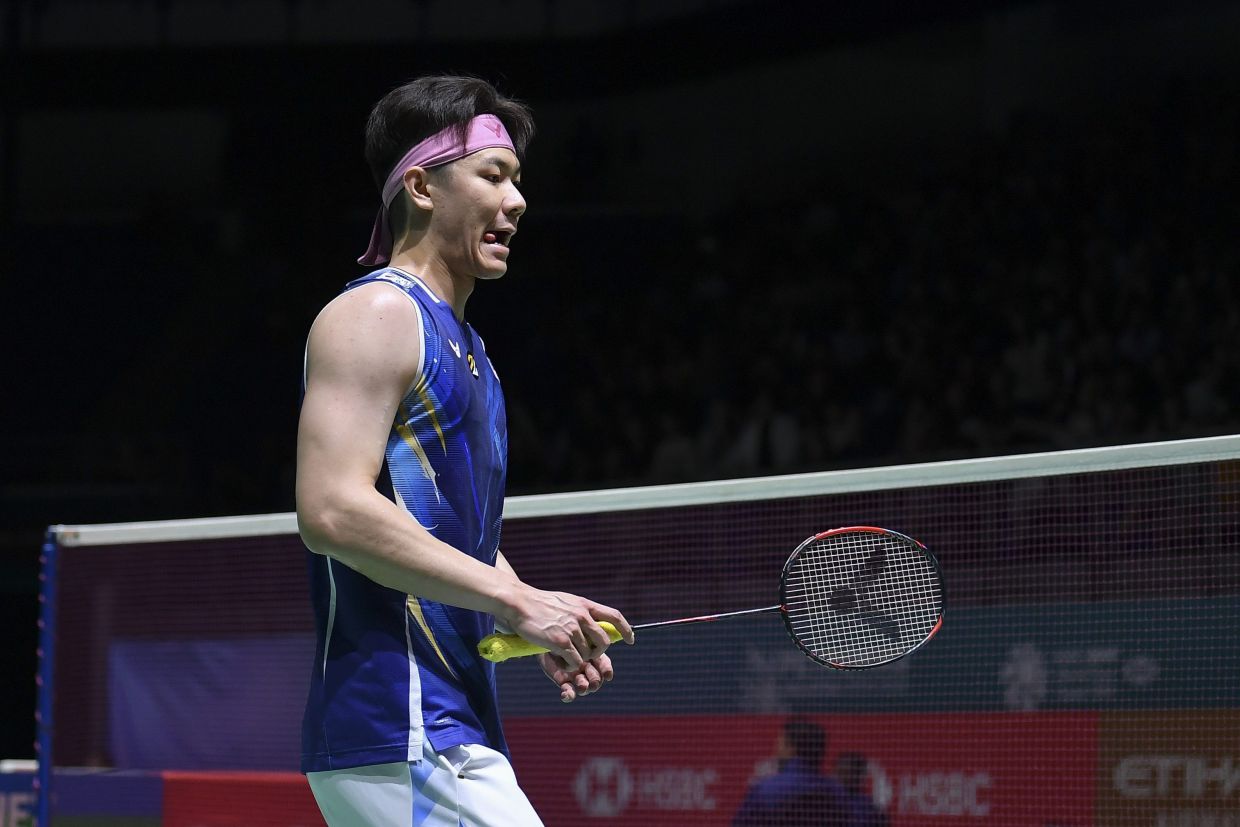
Lee Zii Jia has publicly committed to remaining in professional badminton, vowing to persist through adversity after experiencing what he describes as one of the most difficult periods of his athletic career. The 28-year-old Malaysian shuttler, who won an Olympic bronze medal earlier in his career, took to social media on Sunday to address concerns about his future in the sport, emphasising that abandoning badminton has never been a viable option despite the mounting pressures he has faced.
The past year has been particularly testing for the Kedah-born athlete, who has grappled with a combination of physical injuries, inconsistent tournament results, and the psychological toll of underperformance. These challenges have tested his resolve and forced him into periods of deep self-reflection about his place in a highly competitive sport. Nevertheless, Zii Jia's public statement signals a renewed determination to navigate this challenging phase rather than step away entirely, offering reassurance to his supporters who have remained invested in his career trajectory.
In his candid message, Zii Jia expressed gratitude to friends and fans for their unwavering support, acknowledging moments when he struggled to recognise himself or understand why those around him continued to believe in him. He articulated a profound realisation that human worth in sport transcends winning alone, recognising instead that the act of persisting through difficulty holds intrinsic value. This reflection appears to mark a psychological shift for the athlete, who is reframing how he measures his own progress and self-worth beyond the traditional metrics of tournament victories.
The shuttler's journey has been complicated by his decision to leave Malaysia's national badminton programme in 2022, a move that subsequently exposed him to the challenges of navigating professional sport independently. Since that departure, he has confronted multiple obstacles simultaneously, including injury management and regaining competitive form while operating outside the structured environment of a national team. These circumstances forced Zii Jia to confront difficult truths about his situation and take control of decisions that directly affect his career and personal wellbeing.
Zii Jia articulated that confronting these realities required courage and determination to advocate for himself, particularly regarding his need for autonomy in decision-making and access to a more supportive environment. He emphasised that reclaiming agency over his own career trajectory has become paramount, whether that leads to success or setback. The psychological independence he is attempting to cultivate—taking responsibility for both positive and negative outcomes—represents a maturation in how he approaches his professional challenges and personal accountability.
Central to his recovery strategy is redirecting his focus exclusively toward on-court performance and gradually stabilising other aspects of his life that may have been affected by the turbulence of recent years. This measured, patient approach suggests Zii Jia is abandoning the pressure of immediate results in favour of rebuilding a sustainable foundation for long-term competition. By prioritising incremental progress over breakthrough performances, he may be positioning himself for more resilient development moving forward.
Recent tournament results offer modest signs of momentum. At the Canadian Open, Zii Jia achieved what stands as his strongest performance this calendar year by reaching the semi-finals, ultimately falling to Japan's Koki Watanabe. While that loss prevented him from advancing further, the semi-final appearance itself demonstrates that he retains competitive capability at significant events, providing tangible evidence that his skills remain viable at international level despite the downturn in form he has experienced.
Looking ahead, Zii Jia's schedule includes the Taiwan Open scheduled for July 28 through August 2, followed by the Korean Masters running from August 4 to 9. These back-to-back tournaments represent opportunities for him to build consistency and gather valuable competition experience across multiple weeks. The compressed schedule may serve his recovery strategy by providing frequent competitive windows in which to test his current fitness and form while continuing his rehabilitation journey.
For Malaysian badminton observers, Zii Jia's situation carries particular resonance given the nation's proud legacy in the sport and its traditional dependence on homegrown talent to represent the country internationally. His struggle highlights the complexities modern athletes face when navigating the balance between national team structures and individual autonomy. The outcome of his comeback attempt could carry implications for how young Malaysian badminton players view their career options and the support systems available to them outside traditional institutional frameworks.
Zii Jia's public pledge to persist represents more than a simple refusal to quit; it signals a recalibration of his approach to sport and life that emphasises intrinsic motivation and self-determined goals over external validation through rankings and trophy cases. Whether this psychological reorientation translates into competitive improvement remains uncertain, but his commitment to the journey itself—with full awareness that the path ahead is unpredictable and potentially lengthy—demonstrates a resilience that extends beyond physical ability into the mental and emotional dimensions of athletic longevity.

