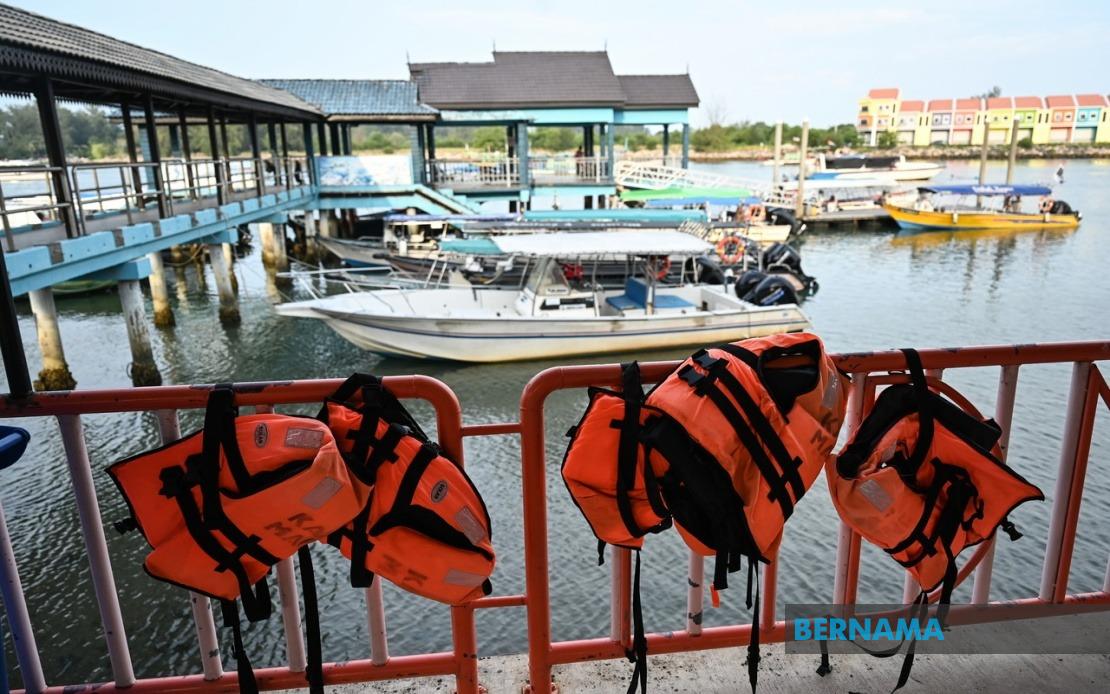
A fatal boat capsize off the coast of Terengganu has prompted renewed calls for stricter adherence to maritime safety protocols, particularly regarding life jacket usage during all water-based activities. The incident, which occurred approximately nine nautical miles from Dataran Kuala Nerus, resulted in one death and multiple injuries, renewing questions about how Malaysia's maritime community can better protect participants in popular recreational activities like squid jigging.
Datuk Razali Idris, who chairs the Terengganu Tourism, Culture, Environment and Climate Change Committee, has emphasized that life jackets represent a non-negotiable safety requirement that must be maintained throughout every moment passengers spend aboard vessels—including periods of rest or sleep. His intervention signals growing governmental concern that casual attitudes toward personal flotation devices continue to pose significant risks in Malaysia's busy coastal waters, where recreational fishing and tourism activities attract thousands of participants annually.
The recommendation extends beyond squid jigging operations to encompass all maritime activities involving passenger transport. According to Razali, every vessel carrying people must carry comprehensive safety equipment including multiple life jackets, functional fire extinguishers, and additional protective apparatus appropriate to the specific activity. This reflects an understanding that many maritime fatalities result not from catastrophic mechanical failures but from preventable lapses in safety discipline—situations where properly maintained equipment combined with consistent usage protocols could have altered outcomes.
Boat operators face particular responsibility under this safety framework. Razali stressed that skippers should conduct formal safety briefings before departure, covering essential information about prevailing sea conditions, expected trip duration, proper life jacket fitting procedures, and protocols for responding to emergencies. These briefings, modeled on procedures already established within the tourist boat sector, represent a crucial bridge between regulatory requirements and passenger comprehension. Many casual participants in recreational fishing may lack maritime experience and require clear instruction in potentially unfamiliar safety equipment and procedures.
The recent incident demonstrates why such precautions matter profoundly. Police confirmed that Ahmad Nasaruddin Mohmad Jalil, a 37-year-old crew member, perished when the vessel capsized around 9 pm on the night of the incident. Three squid jigging participants—Faris Ibrahim (33), Ahmad Danial Iman (24), and Fatin Fariesya Rohaizan (26)—sustained injuries, while eight people were successfully rescued. Significantly, authorities noted that all passengers wore life jackets during the capsize, a factor that likely prevented additional fatalities as the vessel took on water and eventually sank.
Investigations suggest the boat itself was seaworthy and operated by an experienced skipper, yet rough sea conditions—though not constituting a formal storm—resulted in substantial water entering the engine compartment. This sequence indicates that even well-maintained vessels operated by competent personnel can encounter unexpected difficulties when environmental conditions become challenging. The presence of life jackets on all passengers appears to have been the decisive factor enabling rescue operations to succeed.
Razali cautioned participants against pressuring boat operators to proceed when weather conditions appear marginal or unsafe. He noted that most Terengganu skippers operate responsibly and willingly refund customers rather than risk lives by departing during questionable weather. This guidance acknowledges a tension within recreational maritime industries: commercial pressures and participant expectations sometimes conflict with prudent safety judgments, creating situations where captains face incentives to proceed despite reservations.
Regarding broader regulatory frameworks, Terengganu authorities indicated no plans to revise existing standard operating procedures for squid jigging activities, maintaining that current guidelines provide adequate safety structure. Instead, emphasis falls upon compliance with existing protocols and enhanced awareness among operators and participants. This approach reflects recognition that regulatory documents alone prove insufficient; genuine safety improvements require cultural shifts emphasizing consistent implementation of established procedures.
The Malaysia Marine Department retains primary jurisdiction over vessel licensing and operational approvals, including authority to prohibit departures during adverse weather conditions. Razali reminded operators and participants that mandatory compliance with such warnings represents a non-negotiable obligation. State government agencies can issue advisories and recommendations, but ultimate enforcement authority rests with federal maritime regulators who maintain ongoing monitoring of sea conditions and issue prohibition orders when circumstances warrant.
For Malaysian readers, particularly those in coastal states where recreational fishing generates significant participation and economic activity, this incident underscores uncomfortable realities about maritime safety. While squid jigging represents an accessible recreational pursuit offering cultural continuity and economic opportunities for fishing communities, it simultaneously exposes participants to genuine hazards. The difference between fatal outcomes and successful rescues often hinges upon whether individuals consistently implement basic protective measures—not glamorous interventions, but unglamorous habits like keeping life jackets fastened throughout entire voyages.
The broader context involves Malaysia's developing maritime safety culture. Unlike aviation, where catastrophic failures receive intensive investigation and systematic industry-wide reforms, maritime incidents often generate temporary public concern that gradually dissipates without comprehensive systemic change. The Terengganu incident provides an opportunity to reinforce that maritime safety represents collective responsibility: government agencies establish and enforce regulations, boat operators implement safety protocols consistently, and participants actively cooperate with safety requirements rather than viewing them as inconvenient formalities.
Moving forward, this episode suggests that Southeast Asian maritime authorities should consider whether current safety frameworks adequately address recreational fishing activities. These operations occupy regulatory space between fully regulated commercial shipping and casual personal boating, sometimes falling through gaps in oversight. Enhanced attention to safety briefing requirements, life jacket maintenance standards, and weather-monitoring protocols could plausibly reduce fatalities in this sector without imposing prohibitive burdens on community operators.
The immediate takeaway for participants planning squid jigging or similar water-based activities remains straightforward: life jackets worn consistently throughout entire trips represent genuinely effective safety measures, not optional accessories or symbols of excessive caution. The Terengganu capsize demonstrated that even experienced operators commanding seaworthy vessels can encounter circumstances requiring rapid rescue operations. When those moments arrive, the distinction between wearing proper safety equipment and neglecting it becomes literally the difference between life and death.

