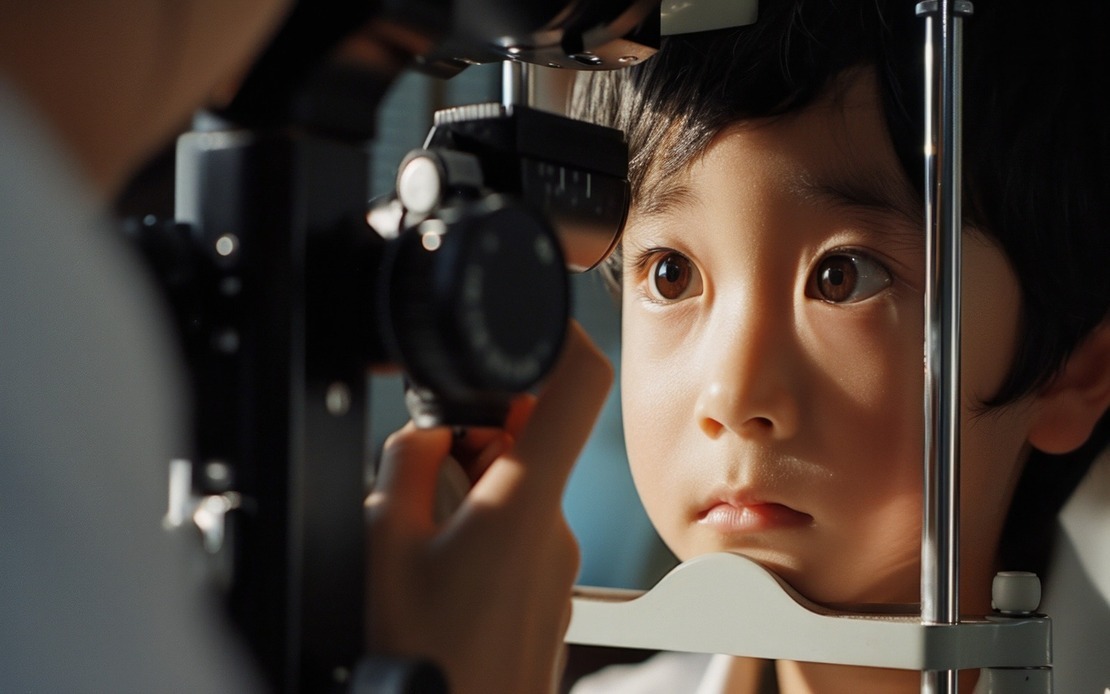
Vision problems that emerge during childhood or later in life can be prevented from becoming permanent disabilities through timely screening and intervention, according to a consultant ophthalmologist at Sunway Medical Centre. Dr Fazilawati A Qamarruddin, a specialist in both general and paediatric eye conditions, has highlighted the critical role that early detection plays in preserving sight and preventing the cascade of complications that can follow when eye diseases progress unmanaged.
Squinting, medically termed strabismus, represents one of the most prevalent yet frequently overlooked conditions affecting Malaysian families. The disorder occurs when the eyes fail to align properly, with one eye directing its gaze toward a different target than the other. Beyond the cosmetic concerns that worry many parents, misaligned eyes create functional difficulties that extend into multiple aspects of childhood development. Vision quality deteriorates as the brain struggles to integrate signals from two non-coordinated eyes, depth perception becomes compromised, and the resulting difficulties in reading and schoolwork can undermine academic progress. The social impact should not be underestimated either, as children with noticeable squinting often experience reduced confidence in peer interactions.
The underlying causes of strabismus vary considerably, and identifying the root problem determines the appropriate treatment approach. Whilst uncorrected refractive errors—such as hyperopia or myopia—account for many cases, the condition can also signal more serious neurological problems. Nerve damage, brain lesions, orbital tumours, or traumatic injury may all manifest as eye misalignment. This distinction proves crucial: what appears as a simple cosmetic issue may represent an urgent medical concern requiring immediate specialist evaluation. Adults who develop strabismus suddenly, particularly if accompanied by double vision, warrant prompt investigation to exclude neurological pathology.
The prevalence of strabismus in Malaysian children remains substantial despite being manageable. Global research indicates that between two and four per cent of the paediatric population experiences this condition, translating into thousands of Malaysian children whose developmental needs go unmet. Many cases remain undiagnosed until the problem becomes obvious through declining school performance or social withdrawal. This diagnostic gap represents a significant public health challenge, as interventions are most effective during the crucial years when visual pathways continue developing.
If untreated, squinting leads to a secondary condition called amblyopia or lazy eye, where the visual cortex progressively abandons signals from the weaker eye in favour of the stronger one. This neural suppression becomes increasingly difficult to reverse as the child matures, making early intervention essential. Once the brain has established this preference pattern, correcting the eye alignment alone may not restore full binocular vision. The window for preventing permanent amblyopia remains open during early childhood, making screening by age three and again before primary school entry non-negotiable milestones.
Parents should watch for telltale signs that their child needs professional evaluation. Frequent squinting, head tilting to compensate for misalignment, sitting abnormally close to screens, and complaints of headaches all warrant scheduling a comprehensive eye examination. These signs often appear before they impact academic results, providing an opportunity for early intervention. A simple prescription for glasses may completely resolve the problem if caught early, whereas delayed diagnosis may necessitate more complex surgical correction and still leave residual vision deficits.
Cataracts affect the older population with increasing frequency and represent a different but equally important vision threat. The clouding of the natural lens, typically beginning after age sixty, accelerates in individuals with diabetes, smokers, and those with cumulative sun exposure. The symptoms emerge gradually—progressive blurring of vision, increased glare sensitivity especially when driving at night, and a fading of colour perception that makes the world appear increasingly washed out. Many older Malaysians attribute these changes to normal ageing and delay seeking care until vision becomes severely compromised.
Modern cataract management has evolved dramatically from the prolonged recovery periods and hospitalisation that characterised surgical treatment decades ago. Contemporary phacoemulsification uses ultrasound energy to fragment the opaque lens through a microscopically small incision, dramatically reducing surgical trauma. Patients often return home the same day and resume light activities within a week, with complete visual restoration typically occurring within two weeks. This transformation in surgical efficiency and safety has removed much of the apprehension that once led seniors to postpone necessary treatment.
Digital technology has introduced a new dimension to eye health challenges across all ages. Prolonged screen exposure among children and adolescents correlates with increasing myopia prevalence, a trend observed globally but particularly pronounced in Southeast Asia. The intensive studying habits and extensive recreational screen time that characterise modern childhood may accelerate refractive error development. Implementing the twenty-twenty-twenty rule—focusing on a distant object for twenty seconds after every twenty minutes of screen use—reduces ocular strain and may help mitigate progression. This simple behavioural modification costs nothing but requires consistent application to prove effective.
Screening protocols should follow age-specific guidelines that reflect when different conditions typically manifest. Children require evaluation before school entry to identify and correct refractive errors that might otherwise handicap learning. Adults should undergo comprehensive eye examinations from age forty onwards, when cataracts begin emerging and presbyopia becomes apparent. Those with diabetes warrant annual screening because diabetic retinopathy can progress rapidly with minimal warning symptoms but responds well to early intervention. These timeframes represent evidence-based recommendations rather than arbitrary guidelines.
The broader implication of early detection extends beyond preventing vision loss to encompassing quality of life, educational achievement, and independence. A child who receives timely correction for refractive error or strabismus experiences improved confidence and academic performance. An older adult whose cataracts are surgically restored maintains the ability to drive safely, pursue hobbies, and remain engaged with family and community. The economic cost of treating preventable blindness vastly exceeds the modest investment in screening and early intervention. Malaysian healthcare resources would be more efficiently deployed through systematic early detection programmes than through expensive management of advanced eye disease and its cascading complications.

