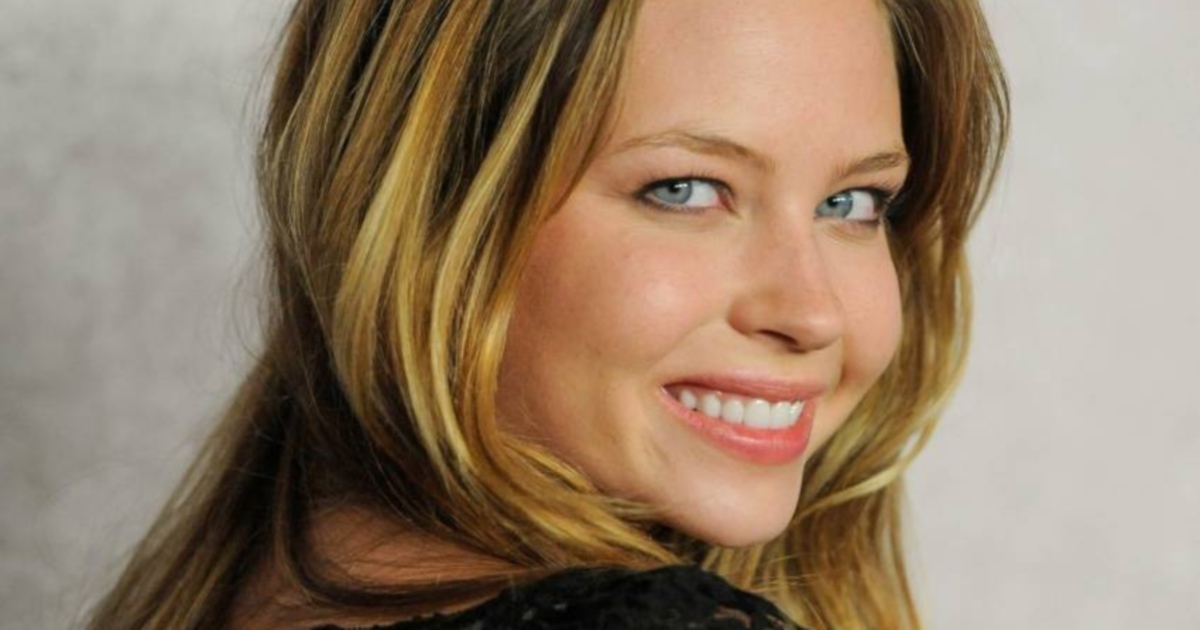
The gap between perceived hardship and actual financial standing has rarely been more starkly illustrated than in the estate of Hollywood actress Daveigh Chase. The performer, best known for voicing the character Lilo in the Disney animated hit Lilo & Stitch, accumulated assets totalling US$400,000 (RM1.6 million) despite spending what appear to have been her final years living in a recreational vehicle rather than a conventional home. The revelation emerged through court documents filed in connection with her estate settlement, shedding unexpected light on the circumstances surrounding her death.
Chase's career trajectory took her through some of the entertainment industry's most visible projects during her younger years. Beyond her signature voice role in Lilo & Stitch, she built a portfolio that included appearances in notable television series and films that gave her a profile extending well beyond animation circles. The Disney franchise became her most enduring legacy, with her work reaching global audiences and continuing to generate recognition decades after the original film's theatrical release. Yet despite this professional visibility and the substantial financial assets documented in probate filings, her living situation in her later years appeared to diverge sharply from what observers might have anticipated based on her career prominence.
The existence of the RM1.6 million estate raises important questions about asset management, financial stability, and the often-hidden vulnerabilities that can affect even individuals with substantial resources. Court documentation revealing the estate's composition provides a window into how personal financial circumstances can deteriorate or become complicated through various life circumstances—whether through mismanagement, unexpected expenses, health crises, or simply the unpredictable nature of life transitions. The figure suggests that Chase possessed meaningful assets at the time of her passing, yet these holdings did not apparently translate into securing conventional housing in her final period.
For Malaysian and Southeast Asian audiences, Chase's story carries relevance beyond mere celebrity gossip. It illustrates universal challenges around wealth preservation, the importance of proactive estate planning, and how even moderately substantial assets require active management to maintain their value and utility. The situation also speaks to broader questions about mental health support, access to resources, and the safety nets—or lack thereof—available to individuals experiencing housing instability, regardless of their background or previous professional status.
The specifics of how Chase's estate will be distributed remains subject to the probate process, with court documents now serving as public record. Executors and beneficiaries identified in her will or established through succession law will navigate the disposition of her assets according to established legal procedures. This formal machinery, while sometimes lengthy, ensures that her RM1.6 million estate is handled according to her wishes or, in the absence of a clear will, according to inheritance statutes governing her state of residence.
Chase's situation intersects with broader conversations about the entertainment industry's treatment of child actors and former performers. Those who gained prominence early in their careers sometimes face unique challenges as they mature, including identity shifts, difficulty transitioning to different types of roles, and the psychological weight of early celebrity. The profession's structural vulnerabilities—including inconsistent income streams, limited job security, and the psychological demands of public visibility—create particular pressures that may not be immediately apparent to external observers.
The discovery that she maintained substantial financial assets while apparently choosing or finding herself forced into RV living raises questions about her personal agency versus external circumstances. Whether her housing situation reflected deliberate lifestyle choices, financial constraints she faced beyond the estate's valuation, health complications, or other factors remains unclear from the publicly available information. What seems certain is that the narrative of her final years cannot be reduced to simple explanations of poverty or destitution.
For those tracking the lives of Disney's most celebrated voice actors, the case of Daveigh Chase offers a sobering reminder that professional success and accumulated wealth do not guarantee comfortable or secure later-life circumstances. The entertainment industry's structure, the vagaries of fame, and the personal challenges that affect all human beings operate irrespective of previous accomplishments or resources. Her story underscores the importance of comprehensive financial planning, accessible mental health and social services, and broader conversations about how societies support individuals facing housing instability.
The probate proceedings and public court documents will likely provide additional details about the composition of her estate, outstanding liabilities, and the identity of primary beneficiaries as the legal process unfolds. These records, while sometimes dry in their bureaucratic language, offer genuine insights into how individual lives intersect with legal and financial systems during their concluding chapters. For entertainment observers, policy advocates concerned with housing and social support, and those interested in the broader human dimensions of celebrity, Daveigh Chase's estate settlement represents a case study worth sustained attention as new information emerges through official channels.

