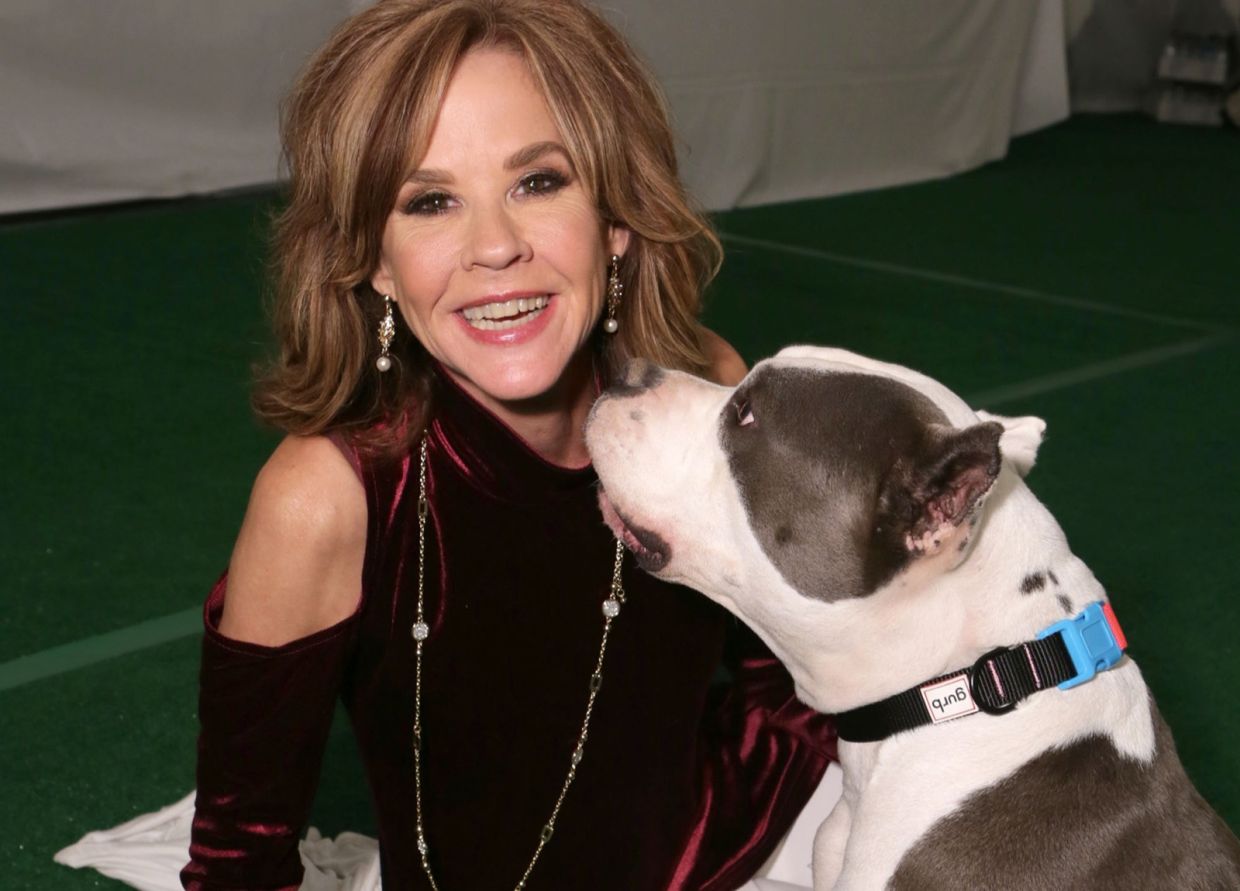
Authorities in Los Angeles County executed a search warrant at the residence of actress Linda Blair on Friday afternoon, acting on complaints that her property was harbouring more than 100 rescue dogs without proper licensing or documentation. The coordinated operation involved officials from both the Los Angeles County Department of Animal Care and Control (DACC) and the Department of Regional Planning, who had obtained the necessary legal authority to access the premises and investigate potential violations of county regulations governing animal facilities.
The enforcement action culminated months of unsuccessful attempts by both agencies to establish contact with the 67-year-old actress regarding compliance matters. Officials from the DACC explained that despite repeated efforts to reach Blair through various channels, they received no response, leaving authorities with limited recourse but to execute the warrant and conduct an on-site inspection during the Friday afternoon raid in sweltering 105-degree heat.
A critical issue underlying the investigation was the expiration of Blair's kennel permit in 2023. The actress had previously operated her facility under a valid permit, but once that authorisation lapsed, she apparently continued to house and care for the large number of animals without securing renewal documentation. The DACC statement emphasised that the warrant was necessary to "lawfully access the property and verify compliance with County codes," highlighting the formal procedural requirements officials must follow when investigating potential regulatory violations.
Blair responded swiftly to the raid, posting a video statement to Instagram on Friday evening in which she characterised the situation as a straightforward administrative matter rather than a criminal investigation. Speaking directly to her audience, she assured followers that both she and the animals were unharmed and that the search was simply about "paperwork" that required clarification. She further stressed that she had not been accused of any criminal wrongdoing, and notably, authorities did not arrest or charge her with any offence.
In accompanying text posted alongside the video, Blair offered additional context regarding her animal rescue activities and the pressures facing those involved in such work. She highlighted the demanding nature of rescue operations, particularly those aimed at saving animals from harsh desert conditions and overcrowded shelters. The actress noted that the volume of communications and social media activity associated with rescue efforts had contributed to administrative challenges, implying that the email and organisational oversight issues had accumulated amid the intense demands of her foundation's operations.
The Linda Blair WorldHeart Foundation, established by the actress in 2003, operates as a nonprofit entity with a stated mission to "alleviate suffering, while rescuing, rehabilitating and rehoming abused, neglected and abandoned animals." Through two decades of operation, the organisation has developed a public profile focused on animal welfare and rescue efforts across Southern California and beyond. The foundation's work addresses gaps in animal protection infrastructure, particularly for creatures facing abandonment or abuse in shelters and rural areas.
For Malaysian and Southeast Asian readers, this incident reflects broader challenges facing animal welfare organisations operating across North America and internationally. Many jurisdictions, like Malaysia, maintain licensing requirements for facilities housing large numbers of animals to ensure proper care standards, public health compliance, and humane treatment. The regulatory framework exists not to punish genuine rescue workers but to establish baseline conditions that protect animal welfare and community safety.
Blai's situation underscores the operational complexity that nonprofit animal rescue operations face when balancing mission-driven work with administrative compliance obligations. Rescue organisations frequently operate with limited resources and volunteer staff, creating environments where paperwork and bureaucratic renewal deadlines can slip through the cracks despite best intentions. However, authorities maintain these requirements exist for valid reasons, including ensuring veterinary oversight, preventing disease transmission, and maintaining standards of animal care.
The case also demonstrates the collaborative approach that government agencies increasingly adopt when investigating regulatory compliance matters. Rather than purely punitive enforcement, the DACC and Regional Planning Department attempted contact before escalating to a warrant, suggesting a preference for achieving voluntary compliance. This graduated response model is increasingly common in animal welfare enforcement, reflecting recognition that most violations stem from ignorance or administrative oversight rather than intentional cruelty.
The incident raises questions about whether existing regulatory frameworks adequately account for the resource constraints facing nonprofit rescuers. Blair's video response highlighting the volume of rescue work and communications burdens points to a structural tension between maintaining bureaucratic compliance and sustaining active rescue operations. As animal welfare remains a growing concern across Southeast Asia and globally, jurisdictions continue debating optimal regulatory approaches that protect animal welfare without creating barriers that discourage legitimate rescue efforts.
Going forward, Blair indicated she would address the outstanding paperwork issues and restore compliance with county requirements. No further enforcement action appears contemplated, suggesting authorities view the matter as fundamentally administrative. The outcome may serve as a cautionary reminder to nonprofit operators that even well-intentioned rescue work requires maintaining current licensing and remaining responsive to official communications, as regulators lack discretion once compliance obligations are triggered.

