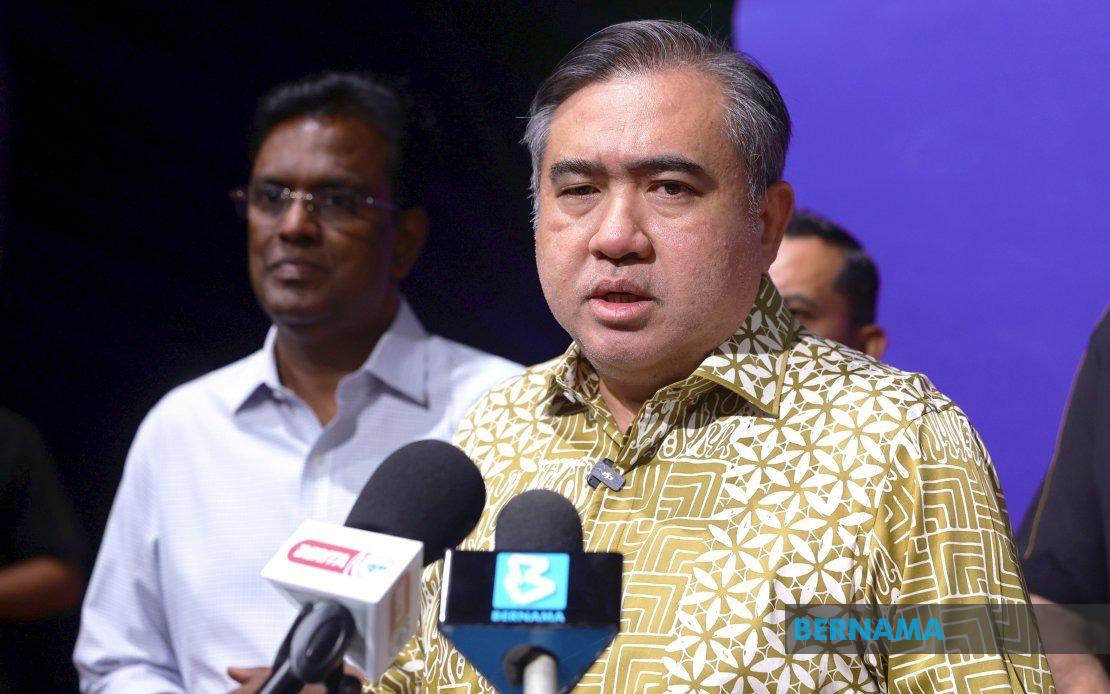
Anthony Loke, the incumbent assemblyman for Chennah and secretary-general of the Democratic Action Party, has signalled his willingness to defend his seat against all comers in the forthcoming Negeri Sembilan state election. Speaking in Seremban on July 2 after launching a MyLesen B2 programme, Loke adopted a notably relaxed stance towards potential opponents, framing electoral competition as a natural expression of democratic freedom rather than a threat to his political position.
The comments arrived in response to speculation that businessman Albert Tei had received overtures from a political party to contest the Chennah seat, prompting questions about whether the three-term assemblyman felt threatened by fresh competition. Loke's response reflected a broader philosophical position on Malaysia's democratic system, emphasising that candidates have an inherent right to participate in elections regardless of their background or political affiliation. His language suggested confidence in his standing with voters while simultaneously respecting the constitutional principles that underpin electoral participation.
Loke's characterisation of electoral contests as "a normal feature of democracy" carries particular weight in Negeri Sembilan's political landscape, where competition between incumbent and challenger candidates has become increasingly intense in recent electoral cycles. By positioning himself as a defender of democratic norms rather than someone worried about personal electoral fortunes, the DAP leader effectively reframed what might otherwise be perceived as a vulnerability into a demonstration of political maturity and institutional confidence.
However, Loke did inject a note of practical guidance into his remarks, reminding potential candidates of specific administrative requirements they must satisfy before contesting any state seat. Crucially, he emphasised that anyone seeking to run in Chennah would need to have their registered address updated to reflect their residency in the constituency, a procedural requirement that Tei and any other aspirants would need to fulfil. These technical prerequisites, while seemingly routine, can prove decisive in determining whether candidates ultimately appear on nomination papers.
The Negeri Sembilan state election is shaping up as a significant political test for both ruling and opposition coalitions, with the Election Commission having mapped out a clear timeline for the process. Nomination day has been set for July 18, with early voting scheduled for July 28 and election day fixed for August 1. This compressed timeframe means that candidates need to move swiftly to meet eligibility criteria and secure party endorsement, leaving little room for last-minute decisions or procedural complications.
Loke's strategic focus, as articulated during his remarks, remains on service delivery to his constituents rather than preoccupation with potential challengers. This positioning is characteristic of how experienced incumbents approach electoral cycles, emphasising continuity and performance in office rather than engaging in the politics of personal rivalry. Over three consecutive terms representing Chennah, Loke has accumulated sufficient political capital and institutional knowledge to present himself as a stabilising force in the constituency.
The potential entry of Tei into the Chennah race would introduce a fresh variable into state politics, pitting an established politician with a multi-term track record against a businessman presumably making his first electoral venture. Such contests frequently hinge on questions of local accountability, constituent service, and party machinery effectiveness rather than solely on the personal qualities of individual candidates. The outcome may well depend on which coalition manages to mobilise its ground organisation more effectively and connect its message with voters' immediate concerns.
Loke's role as DAP secretary-general adds another dimension to his political standing. As the party's top administrative officer, he bears responsibility for party discipline, internal management, and strategic coordination across DAP's parliamentary and state presence. His willingness to embrace electoral competition and express confidence in his ability to retain his seat sends an implicit message about DAP's overall strength and readiness for the Negeri Sembilan contest.
The timing of the election also matters strategically, coming at a moment when Negeri Sembilan state politics remains in flux following recent shifts in federal-level alignments. State elections often serve as barometers of broader national political sentiment, allowing voters to send signals about their satisfaction with federal arrangements and governance direction. For an incumbent like Loke, maintaining his seat becomes not merely a personal achievement but a statement about his party's viability and local appeal.
Loke's emphasis on the mandate entrusted to him by voters across three terms suggests a deliberate strategy of framing his candidacy around accumulated achievements and ongoing responsibilities rather than personalised attacks or defensive positioning against critics. This approach resonates particularly in constituencies where voters have established relationships with their representatives and value continuity in constituent services.
The unfolding situation in Chennah exemplifies broader patterns in Malaysian state elections, where sitting legislators increasingly face credible challenges from both opposition and intra-coalition rivals. For voters in the constituency, this competition may ultimately work in their favour, as candidates compete to demonstrate their capacity to deliver infrastructure improvements, social services, and economic opportunities. The August 1 election will ultimately determine whether Loke's confidence in defending his mandate translates into electoral success or whether Tei or other potential challengers can mobilise sufficient support to dislodge him.

