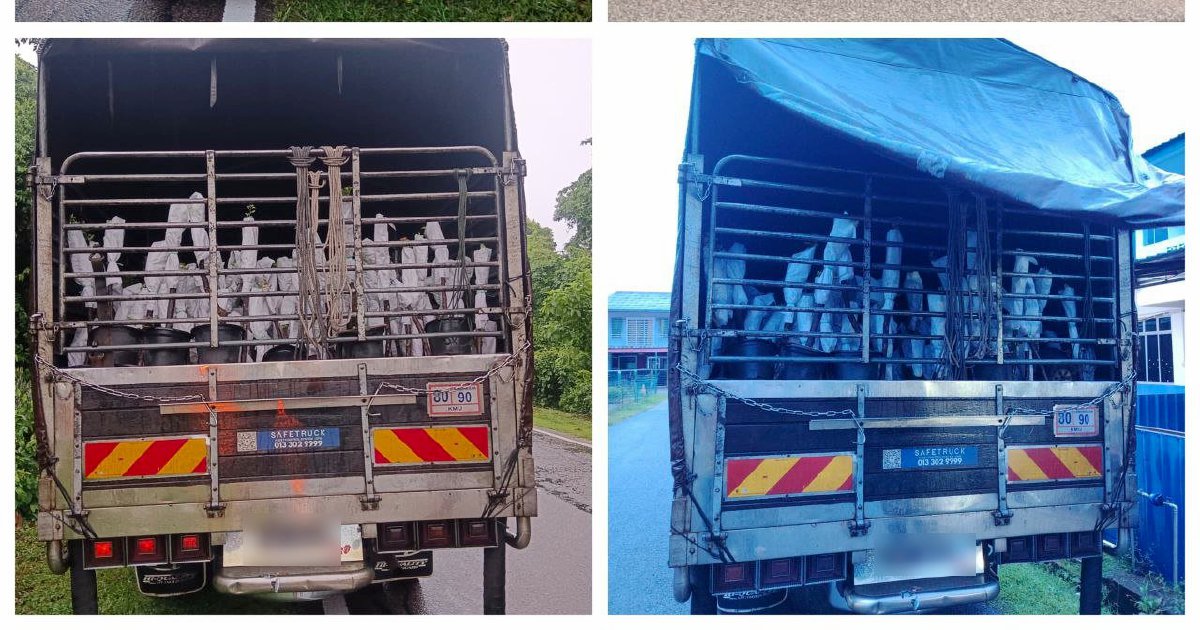
Law enforcement officers arrested two men in connection with the smuggling of plant saplings valued at RM85,000 across the Thai-Malaysian border at Rantau Panjang yesterday. The operation underscores growing concerns about illegal plant trafficking through northern border crossings, where smugglers attempt to circumvent agricultural import regulations and quarantine requirements designed to protect Malaysia's ecosystem and farming sector.
The detained individuals—a lorry driver and his attendant—were apprehended during a routine checkpoint inspection that revealed a concealed cargo of prohibited botanical material. Authorities have not disclosed the specific varieties of saplings seized, though such operations typically target high-value ornamental plants, timber species, or agricultural specimens in demand among domestic nurseries and landscapers unwilling to pay legitimate import duties and certification fees.
Rantau Panjang serves as a major customs and immigration gateway along the Kelantan-Thailand border, processing significant daily traffic of commercial vehicles. Its strategic location makes it both an essential trade corridor and a vulnerability point for smuggling operations. The sophistication of modern trafficking networks means contraband is often concealed within legitimate cargo shipments or distributed across multiple compartments to evade detection by cursory visual inspections.
Plant smuggling from Thailand to Malaysia occurs within a wider context of illicit flora trade across Southeast Asia. Criminal syndicates exploit regional demand for rare and economically valuable botanical species while exploiting lax enforcement at certain crossing points. The RM85,000 valuation suggests organised trafficking rather than opportunistic small-scale smuggling, pointing to established supply chains linking growers in Thailand with retailers and garden centres on the Malaysian side.
Malaysia's Ministry of Agriculture enforces strict biosecurity protocols for plant imports to prevent the introduction of pests, diseases, and invasive species that could devastate local agriculture and natural environments. All plant material crossing international borders must accompany phytosanitary certificates issued by exporting countries' agricultural authorities. The deliberate circumvention of these measures indicates the operation was commercial in nature and intentionally evasive of regulatory scrutiny.
The Thai-Malaysian border has experienced persistent smuggling pressures across multiple commodity categories, from narcotics to wildlife products. Horticultural smuggling, while less sensational than drug trafficking, represents a consistent revenue stream for criminal enterprises and erodes legitimate trade. Garden centres operating lawfully face unfair competition from smugglers offering plants at artificially depressed prices because they have not incurred import duties, certification costs, or regulatory compliance expenses.
Authorities have not released comprehensive details regarding whether further investigations will extend to destination locations or retail networks that may have contracted the transport. Thai nationals or Malaysian importers involved in arranging the shipment could potentially face separate charges if their involvement can be established through ongoing inquiries. International cooperation between Malaysian customs and Thai authorities remains essential for dismantling smuggling operations that typically involve criminal elements on both sides of the border.
The arrest reflects heightened enforcement activity at major border crossings as Malaysian authorities prioritise disruption of trafficking networks. Enhanced scanning technology, intelligence-sharing among agencies, and trained detection dogs have improved detection rates at Rantau Panjang and other key gateways. However, the sheer volume of daily vehicle traffic—thousands of commercial and private crossings—means comprehensive screening remains logistically challenging without specific intelligence targeting particular vehicles or smugglers.
For Malaysian nursery and horticulture businesses operating within regulatory frameworks, such enforcement actions provide modest reassurance that government agencies are attempting to level the playing field against illegal competitors. The gardening sector, worth hundreds of millions of ringgit annually, depends on consumer confidence that imported plants meet health and safety standards. Smuggled saplings lacking proper documentation pose genuine risks of introducing pathogens or pests that could contaminate legitimate crops and natural vegetation.
The charges and penalties these individuals face depend on whether they will be prosecuted under customs laws, the Wildlife Conservation Act, or other relevant statutes. Conviction can result in substantial fines and imprisonment, with penalties scaled according to the value of contraband and evidence of intentional smuggling. Such sentences serve deterrent purposes, though critics argue enforcement remains inconsistent and penalties insufficiently severe to deter organised trafficking networks for which occasional losses are merely operational costs.
This incident serves as a reminder that Malaysia's borders remain vulnerable to determined smuggling operations targeting diverse commodities beyond those typically highlighted in media coverage. While drug and wildlife trafficking generate greater public attention, agricultural contraband smuggling systematically undermines legitimate commerce, biosecurity integrity, and revenue collection. Sustained enforcement requires continued investment in border infrastructure, personnel training, and cross-border intelligence cooperation that extends beyond high-profile narcotics operations.

