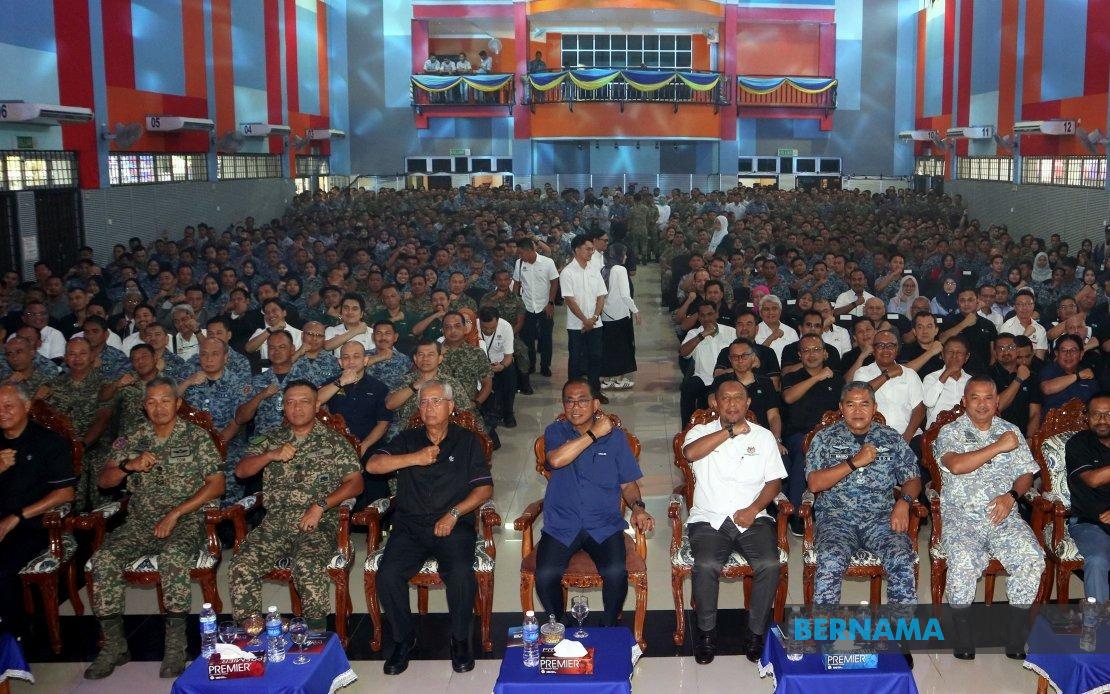
Malaysia's Armed Forces Fund Board (LTAT) has substantially expanded its direct engagement with military personnel through its nationwide 'Jelajah Wira' initiative, reaching 28,500 service members across East Coast installations in a phased approach designed to strengthen communication between fund management and contributors. The tour, which began in Kuantan, represents a strategic effort to deepen institutional connections with the personnel whose mandatory contributions form the backbone of the fund's financial operations.
LTAT Chief Executive Mohammad Ashraf Md Radzi emphasized that the tour initiative reflects a deliberate shift towards ground-level engagement, moving beyond administrative headquarters to meet contributors at their operational bases. This approach acknowledges that armed forces personnel contribute 10 per cent of their monthly income to the fund, yet may have limited direct interaction with fund management and decision-makers. By bringing LTAT leadership to military installations across the country, the board aims to demystify fund operations and build trust among contributors who remain largely dispersed across numerous garrisons and naval facilities.
The strategic rollout encompasses multiple locations spanning three states and covering diverse military branches. Installations targeted for the tour include Kem Desa Pahlawan in Kelantan, Kuantan Air Force Base, Kem Seri Pantai (home to the 16th Royal Malay Regiment) in Terengganu, Kem Sungai Udang in Melaka, the naval vessel KD Sultan Ismail in Johor, and Kem Mahkota Kluang, also situated in Johor. This geographic spread ensures representation across Air Force, Army, and Navy components, acknowledging that military personnel from all service branches maintain identical contribution obligations.
Central to the tour's messaging is the introduction of the LTAT-Affin Debit Card, presented as a tangible recognition of military service and institutional loyalty. According to LTAT leadership, the card symbolizes the fund's commitment to honoring the contributions of armed forces personnel, extending appreciation beyond numerical statements into concrete financial products. This symbolic gesture carries particular resonance within military culture, where institutional recognition serves psychological and practical functions, reinforcing the bond between individual personnel and organizational structures that govern their financial futures.
The fund's promotional messaging emphasizes the scheme's competitive returns relative to alternative savings mechanisms available to military personnel. Young contributors like Airman I Muhammad Syahmi Mohd Shobri highlight the fund's annual dividend distributions as particularly attractive compared to conventional savings vehicles, positioning LTAT as a sophisticated long-term wealth accumulation tool rather than merely a deduction from monthly pay. This framing proves important for retention and satisfaction among younger service members who may otherwise question the value proposition of mandatory contributions.
For military personnel approaching retirement, LTAT's value proposition shifts toward financial security and post-service stability. Contributors like Airman I Muhammad Izzuddin Mohd Hanapi underscore how accumulated savings combined with ongoing dividend payments create meaningful financial cushions during transition from military to civilian employment. This messaging addresses a critical anxiety point for service members contemplating life after discharge, positioning the fund as essential infrastructure for retirement planning rather than an administrative imposition.
The tour's integration of experiential elements, including lucky draw prizes such as the electric motorcycle won by Royal Malaysian Air Force Air Sergeant Haidil Jafar, serves multiple purposes within military culture. Such incentives generate enthusiasm around the engagement initiative, create memorable positive associations with the fund, and provide human interest narratives that spread organically through personnel networks. These elements help counter potential cynicism about bureaucratic engagement exercises, demonstrating tangible institutional commitment to personnel welfare.
The presence of senior defence and LTAT leadership at these events underscores governmental commitment to military personnel welfare initiatives. Defence Ministry Secretary-General Datuk Lokman Hakim Ali, LTAT Chairman General Tan Sri Azizan Ariffin, and LTAT Investment Panel Chairman Datuk Khairol Anuar Mohamad Tawi attended Kuantan proceedings, signaling that fund operations merit high-level political attention. This executive-level engagement validates personnel concerns and demonstrates that fund management receives ongoing scrutiny from the defence ministry's administrative apparatus.
LTAT's holistic positioning extends beyond individual contributors to encompass broader military ecosystem welfare. The fund's management frames its mandate as encompassing families and communities dependent upon military incomes, acknowledging that military compensation fundamentally supports networks extending beyond individual service members. This framing broadens the institutional rationale for the engagement tour, positioning it as investment in military family stability rather than merely administrative public relations.
The phased national rollout strategy reflects pragmatic recognition that comprehensive engagement across Malaysia's geographically dispersed military installations requires sustained effort over extended timelines. By organizing the tour in sequential phases covering the entire nation, LTAT ensures equitable access to management engagement and prevents regional personnel from feeling excluded or marginalized. This systematic approach demonstrates commitment to comprehensive institutional dialogue rather than opportunistic engagement with convenient urban-based installations.
From a broader governance perspective, LTAT's engagement initiative addresses persistent challenges regarding military personnel financial literacy and institutional confidence. Many service members may contribute substantial portions of their income without fully understanding fund operations, investment strategies, or benefit calculations. Direct engagement tours provide platforms for clarifying misconceptions, explaining policy changes, and soliciting feedback regarding personnel priorities and concerns. Such dialogue proves essential for maintaining institutional legitimacy among contributor populations whose financial security depends upon fund management competence.
The strategic timing and geographic focus of the 'Jelajah Wira' initiative reflects LTAT's efforts to strengthen institutional relationships during a period of evolving military personnel demographics. As younger service members with different expectations regarding financial services and institutional transparency enter armed forces ranks, fund management must adapt engagement approaches accordingly. The tour represents acknowledgment that digital-age military personnel increasingly demand direct access to institutional leadership and transparent communication regarding financial operations affecting their long-term security.

