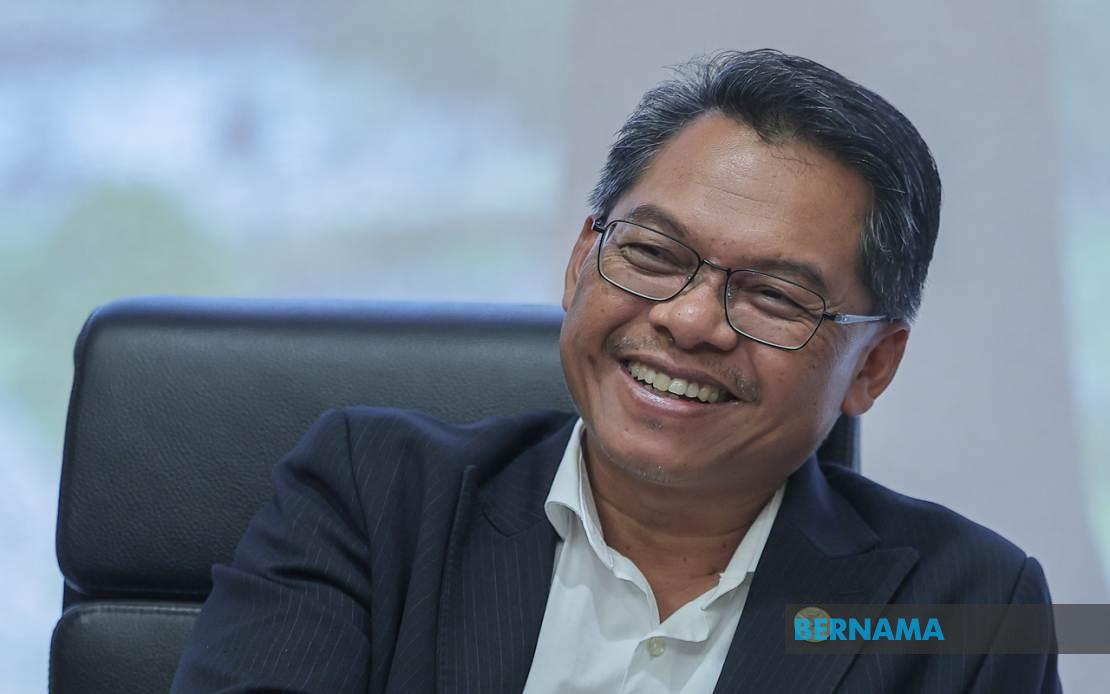
The Technical Committee overseeing Malaysia Agreement 1963 implementation has issued a directive requiring all federal ministries and agencies to treat outstanding matters with heightened urgency, aiming to clear the backlog of unresolved constitutional issues between the federation and the two East Malaysian states. The instruction came during a meeting in Putrajaya chaired by Datuk Mustapha Sakmud, who holds the ministerial portfolio for Sabah and Sarawak within the Prime Minister's Department, signalling that momentum on this long-standing agenda is intensifying as the federal government prepares for a higher-level review next month.
The accelerated timeline assumes particular importance ahead of a scheduled Malaysia Agreement Implementation Action Council meeting that will be chaired by Prime Minister Datuk Seri Anwar Ibrahim in September. The technical body's role has been to coordinate between various government departments and the state administrations, but committee members recognised during this session that sustained bureaucratic momentum is essential if the implementation roadmap is to meet its targets. By consolidating the status of each outstanding issue and establishing clearer deadlines, the committee hopes to transform what has historically been a slow-moving process into one capable of delivering tangible results within defined periods.
Among the strategic priorities that occupied the committee's attention were initiatives to reshape the public service workforce in Sabah and Sarawak through what officials term Borneonisation—a localisation programme designed to increase the proportion of East Malaysian citizens in government positions at various levels. This reflects longstanding grievances in both states that federal civil service appointments have not adequately reflected demographic realities or the constitutional spirit of equal partnership that underpinned Malaysia's 1963 formation. Closing this representational gap carries symbolic weight beyond mere employment statistics, touching on questions of political voice and resource control that remain sensitive in both territories.
Healthcare disparities between Peninsular Malaysia and the Borneo states also featured prominently in committee discussions. Sabah and Sarawak have historically lagged in medical infrastructure, specialist services, and healthcare workforce availability relative to more densely populated western regions. The committee's engagement with this issue suggests that federal policymakers recognise bridging these gaps requires coordinated action across multiple departments and funding streams. For ordinary residents in rural Sabah and Sarawak, such improvements could mean reduced travel burdens for accessing advanced medical care and increased availability of trained practitioners in remote areas.
Educational advancement in both states likewise drew the committee's focus, reflecting another domain where development indicators have historically trailed national averages. Strengthening schools and tertiary institutions in Sabah and Sarawak carries implications for youth retention, as young people from disadvantaged educational environments often migrate to Peninsular Malaysia or abroad in search of better opportunities. By identifying specific measures to enhance the education sector, the committee signals recognition that sustainable development in East Malaysia depends partly on building human capital capacity within the region itself.
Mustapha highlighted in his statement that the collaborative approach underpinning the committee's work—characterised by what he described as consensus rooted in mutual trust and respect—has yielded measurable progress. This framing matters because MA63 implementation has occasionally been overshadowed by political tensions and competing interpretations of constitutional guarantees. By emphasising the collaborative mechanism, federal officials attempt to position the process as fundamentally non-adversarial, though observers in both states continue monitoring whether federal actions match the rhetoric of partnership.
Two specific achievements underscored the committee's narrative of forward momentum. Sabah's special grant under Article 112D of the Federal Constitution increased to RM1.5 billion during the current fiscal year, representing an upward adjustment that state administrators and residents regard as recognition of Sabah's fiscal contributions and ongoing development needs. While the absolute value remains modest relative to overall federal budgets, the increase carries symbolic significance as evidence that the federal government recognises special obligations toward Sabah under the constitutional framework.
Equally prominent in the committee's statement was the completion of Bintulu Port's transfer to Sarawak government authority on July 21. This transfer embodies the broader principle of resource control that animated Malaysia Agreement negotiations more than six decades ago. Port infrastructure carries strategic economic importance for Sarawak's development trajectory, and returning operational control to state authorities addresses a long-standing aspiration for greater autonomy over key revenue-generating assets. The transfer also demonstrates that concrete constitutional implementation can occur when political will aligns across federal and state governments.
Mustapha framed these developments as evidence that MA63 implementation under the current administration extends beyond fulfilling historical commitments to embracing dynamic evolution responsive to contemporary needs. This language acknowledges that rigid adherence to 1963-era understandings may not adequately address twenty-first-century governance challenges, while maintaining that the foundational constitutional principles remain valid. For Sabah and Sarawak residents and policymakers, the framing suggests space for negotiating creative solutions rather than remaining locked into historical precedents.
The Technical Committee's push for accelerated resolution arrives at a moment when East Malaysian political actors maintain elevated expectations following the change in federal government. Both states had expressed frustrations with previous administrations' handling of MA63 issues, and the current focus offers opportunity either to deliver meaningful results or risk disappointing constituencies that have grown impatient with incremental progress. The committee's directive to all ministries and agencies to prioritise these matters signals that leadership intends to break historical patterns of sluggish implementation.
For the broader Southeast Asian context, Malaysia Agreement implementation carries implications extending beyond domestic constitutional matters. Effective federal-state relations within Malaysia's multi-ethnic, multi-regional framework offer lessons relevant to other nations managing territorial diversity and constitutional accommodation of regional interests. How successfully Putrajaya and the East Malaysian states navigate these outstanding issues may influence perceptions elsewhere regarding federalism's viability in the region.
The scheduled September meeting chaired by Prime Minister Anwar Ibrahim will provide the critical test of whether accelerated timelines and renewed bureaucratic focus translate into substantive progress. Committee members have now established baseline expectations and deadlines; subsequent months will reveal whether federal machinery can deliver results matching the ambitions outlined during this Putrajaya session. For Sabah and Sarawak residents, the true measure of MA63 implementation success ultimately rests not in committee statements but in tangible improvements to public services, enhanced economic opportunity, and genuine devolution of decision-making authority.

