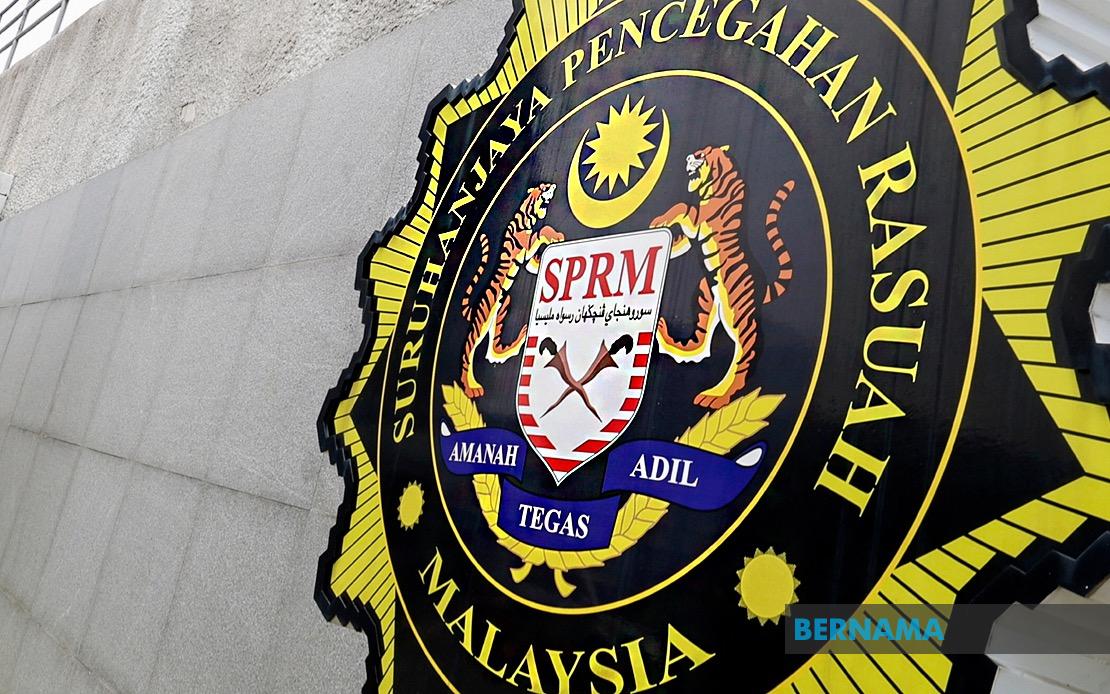
The Malaysian Anti-Corruption Commission has marked a significant milestone in its international standing by securing finalist positions across four separate categories at the ICA Compliance Awards APAC 2026, organised by the International Compliance Association. This represents the MACC's inaugural participation in the prestigious Asia-Pacific recognition programme, which annually celebrates excellence and innovation in integrity, governance and financial crime prevention across the region. The achievement underscores growing international acknowledgment of Malaysia's anti-corruption framework and the professionalism deployed by the commission's workforce.
The commission's competitive slate spans both individual and organisational recognition tracks. Investigation Division Branch C head Mohd Shukri Mohd Said has been nominated for the Compliance Leader of the Year accolade, a category reserved for practitioners demonstrating exceptional leadership in advancing compliance standards. Simultaneously, Mohammad Nazree Mansor qualified as a finalist in the Rising Star Award, an honour typically extended to emerging professionals who exhibit promise in strengthening governance and anti-corruption initiatives. These individual nominations reflect targeted achievements within the MACC's investigative operations and personnel development pipeline.
Beyond individual accolades, the MACC has also advanced in two team-based categories that assess organisational capacity and collaboration. The commission was shortlisted for both the Compliance Team of the Year award and the Small Compliance Team of the Year category, which recognises high-performing units with fewer than seven members. This dual recognition in team categories suggests the ICA assessment process identified scalable excellence across different operational scales within the MACC structure, highlighting both large integrated units and nimble specialist teams as models of professional practice.
Datuk Mohd Hafaz Nazar, the MACC's Investigation Division senior director, characterised the nominations as validation of institutional commitment to advancing Malaysia's integrity ecosystem. Speaking formally, he noted the four finalist designations represented far more than ceremonial recognition, instead functioning as an external benchmark affirming the commission's methodical approach to strengthening compliance architecture and governance frameworks. He articulated hope that the nominations would galvanise the organisation toward sustained excellence, positioning MACC performance against regional and global benchmarks rather than remaining confined to domestic evaluation criteria.
Mohd Shukri's perspective on his personal nomination emphasised the collective nature of anti-corruption work, framing individual recognition as inseparable from institutional culture. His statement underscored how the honour reflected broader professional standards maintained throughout the MACC officer corps, and how international recognition of leadership competencies simultaneously elevated Malaysia's reputational positioning in the global compliance arena. This framing suggests awareness among senior MACC leadership that individual achievements carry diplomatic weight, signalling to international partners and investors that Malaysia maintains credible institutional safeguards against financial misconduct and governance failures.
For Mohammad Nazree, selection as a Rising Star Award finalist carries distinct significance. The nomination acknowledges emerging talent within the commission while simultaneously messaging to Malaysia's civil service that excellence in anti-corruption work attracts international professional recognition. By positioning younger officers as advancing Malaysia's integrity agenda, the MACC cultivates institutional continuity in expertise and demonstrates succession planning that ensures sustained capacity in governance enhancement initiatives across coming years.
The International Compliance Association itself commands substantial authority within professional compliance circles. Since its 2001 establishment, the ICA has cultivated credentials through globally recognised training programmes and professional qualifications, serving more than 160,000 practitioners worldwide. This extensive practitioner base means ICA award recognition carries weight among financial institutions, law enforcement agencies, and government bodies across multiple continents. For a Malaysian institution to compete at finalist level within such an established framework signals meaningful progress in institutional professionalism and technique.
The ICA Compliance Awards APAC programme specifically functions as a regional recognition mechanism, assessing compliance excellence distinct to Asia-Pacific operating environments, regulatory frameworks, and institutional challenges. This geographic specificity means MACC finalists are being evaluated against regional peers confronting similar compliance pressures, emerging market volatility, and cross-border financial crime patterns. Such regional benchmarking provides more calibrated assessment than global awards that may privilege compliance models developed in advanced Western economies with different institutional architectures.
The timeline for winners' announcement carries operational significance for MACC's internal morale and external communications strategy. Winners will be revealed during a virtual awards ceremony scheduled for July 21, providing a defined moment for media engagement and institutional messaging around anti-corruption efforts. Even finalist status without winning carries promotional value, allowing MACC leadership to underscore international recognition in budget advocacy, personnel recruitment, and diplomatic discussions with partner nations regarding enforcement cooperation.
For Malaysia's broader anti-corruption positioning, these nominations contribute to a composite narrative about institutional maturity and governance progress. International recognition of MACC excellence carries implications beyond the commission itself, influencing investor confidence, supporting Malaysia's compliance standing within financial networks, and reinforcing diplomatic credibility on governance issues. Countries maintaining capable, professionally recognised anti-corruption agencies signal to international partners that governance frameworks operate with technical competence and institutional integrity.
The significance of MACC's debut entry into the ICA awards also reflects organisational confidence in competitive standing. Rather than entering cautiously with single nominations, the commission submitted applications across multiple categories, suggesting internal assessment that the organisation's operations and personnel capabilities justified substantive international exposure. This strategic approach indicates MACC leadership viewing international recognition not as aspirational but as achievable given existing institutional capability levels.
Moving forward, the finalist designations establish baseline credentials that MACC can leverage in future competition cycles. Whether or not July 21 produces winning categories, the four finalist positions establish MACC as a contender within the Asia-Pacific compliance framework, creating platform advantages for subsequent submissions and heightening recruitment appeal for professionals seeking international-calibre institutional environments. The nominations thereby function as investments in institutional reputation that compound value beyond any single award ceremony outcome.