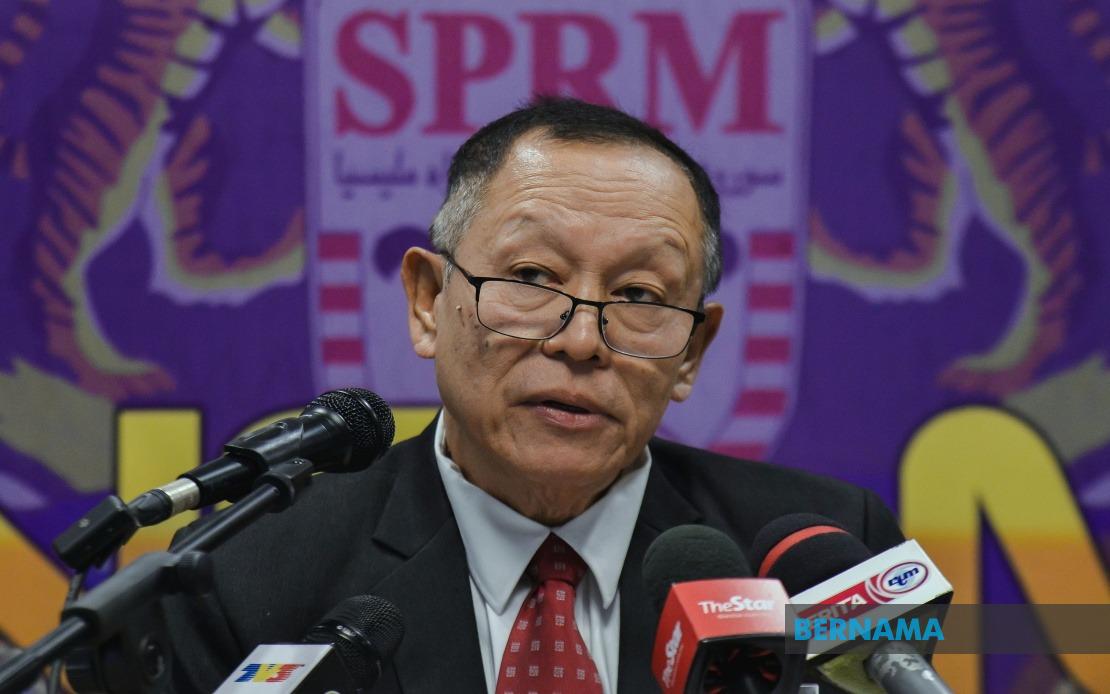
The Malaysian Anti-Corruption Commission has wrapped up a comprehensive four-day interrogation of a former chief financial officer linked to a statutory body, marking a significant milestone in its ongoing investigation into irregularities at Lembaga Tabung Haji. MACC chief commissioner Datuk Seri Abd Halim Aman confirmed that the statement-taking process concluded after sessions running from 9 am to 6.30 pm, with the final day of questioning completed at the agency's Putrajaya headquarters.
At the centre of the investigation lies an alleged abuse of power concerning the acquisition of shares in two plantation companies valued at approximately RM370 million. This transaction has become a focal point following its exposure in the Royal Commission of Inquiry report examining Tabung Haji's operations, sparking concerns about governance and fiscal responsibility at one of Malaysia's most significant Islamic financial institutions. The scale of the transaction underscores the serious nature of allegations being pursued by anti-corruption authorities.
The 60-year-old former CFO presented himself voluntarily at MACC headquarters on Tuesday, along with the company's former chief executive officer, both choosing to cooperate with investigators by providing their accounts in person. This cooperative stance represents a notable development in the probe, though both individuals were detained as the investigation progressed. Their decision to appear willingly rather than compel attendance through formal summonses suggests either confidence in their positions or recognition of the gravity of the situation.
The extension of questioning across four separate days indicates the complexity and depth of the MACC's examination into the alleged irregularities. Extended interrogation sessions of this duration typically suggest investigators are pursuing multiple angles, cross-referencing documentation, and probing inconsistencies in accounts. The sustained nature of the questioning reflects the commission's determination to establish a comprehensive factual record regarding the decision-making processes and authorisations that led to the RM370 million share acquisition.
For Malaysian investors and contributors to Tabung Haji, these developments carry significant implications. Tabung Haji serves as a savings and investment vehicle for millions of Malaysians planning their Hajj pilgrimage, entrusted with substantial accumulated funds. Any mismanagement or abuse of authority in deployment of these assets strikes at the heart of public trust in the institution. The rigorous investigation signals that authorities are treating allegations seriously and are committed to establishing accountability where warranted.
The broader context of recent governance scrutiny within Malaysia's public institutions adds weight to this investigation. Following several high-profile corporate and financial scandals affecting government-linked companies and statutory bodies, increased vigilance from anti-corruption authorities reflects both public expectation and political commitment to institutional accountability. The RCI process itself represents a formal acknowledgement that irregularities warranted independent scrutiny beyond routine auditing mechanisms.
The allegation of abuse of power specifically points toward concerns that decision-makers may have exceeded their authority or acted outside established governance frameworks in authorising the transaction. Such allegations carry both legal and reputational dimensions, requiring investigators to establish not merely that irregular procedures were followed, but that those responsible acted with improper intent or in breach of their fiduciary duties to the institution.
The plantation sector connection also warrants attention, given historical patterns of land acquisition and property investments by statutory bodies. Questions typically focus on whether such acquisitions represented fair market transactions, whether competitive procurement processes were observed, and whether investments aligned with the institution's core mandates and investment strategy. The RM370 million scale suggests these were not minor transactions but represented material allocation of resources requiring careful scrutiny.
As the MACC investigation progresses beyond the statement-taking phase, the inquiry moves toward the critical stage of evidence analysis and determination. Investigators will cross-reference the testimonies provided during the four-day sessions with documentary evidence, transaction records, and communications between parties involved in authorising and executing the share purchase. This analytical phase will establish whether sufficient grounds exist for recommending charges or pursuing further action.
The investigation also reflects evolving approaches within Malaysia's anti-corruption apparatus toward institutional accountability. Rather than focusing solely on individual enrichment or bribery, this inquiry examines potential structural failures in governance and decision-making authority. Such investigations require examination of board minutes, investment committee decisions, shareholder approvals, and the hierarchy of authorisation within the organisation.
For regional observers monitoring Malaysia's governance trajectory, this investigation signals continued institutional scrutiny of major statutory bodies and government-linked entities. The commitment of significant investigative resources and the extension of questioning across multiple days demonstrate that anti-corruption priorities extend beyond high-profile corruption scandals to encompass systematic examination of investment and procurement decisions within major institutional frameworks.
The investigation also carries implications for corporate governance standards across Southeast Asia more broadly, particularly regarding how Islamic financial institutions and statutory bodies manage shareholder or member funds. As Tabung Haji serves as a regional model for Hajj savings schemes, governance outcomes here influence expectations and practices elsewhere in the Muslim world.

