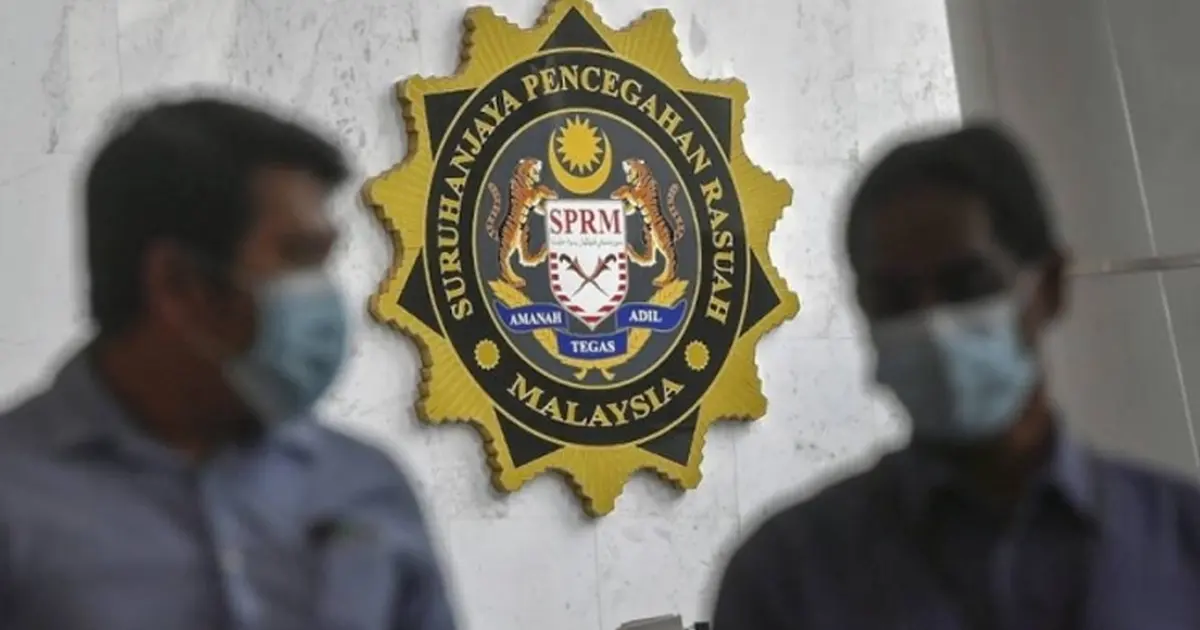
The Malaysian Anti-Corruption Commission has wrapped up an exhaustive interrogation session with a former top financial officer of Tabung Haji, marking a significant development in the anti-graft agency's mounting investigation into the pilgrimage fund. The individual, who previously held the position of chief financial officer at the institution, underwent continuous questioning that began at 9am and concluded at 6.30pm, underscoring the thoroughness of MACC's examination into the alleged misconduct.
Tabung Haji, officially known as the Pilgrimage Fund Board, serves as a crucial financial institution for Malaysian Muslims seeking to perform the Hajj pilgrimage to Mecca. The fund, which accumulates savings from hundreds of thousands of depositors across Malaysia, has faced mounting scrutiny in recent months following allegations of financial mismanagement and potential corruption at senior management levels. The intensive questioning of the former CFO suggests that investigators have identified critical areas requiring detailed clarification regarding financial transactions, governance practices, and decision-making processes within the organisation.
The decision to conduct such an extended interrogation session reflects the complexity and scope of MACC's investigation into Tabung Haji's operations. Extended questioning typically indicates that investigators have substantive evidence or documentation requiring detailed explanation from the witness. The nine-hour duration suggests investigators covered multiple aspects of the fund's financial management, including budget allocations, procurement procedures, investment decisions, and oversight mechanisms that may have failed to prevent alleged irregularities.
This development carries significant implications for governance standards within Malaysian public institutions. Tabung Haji's status as a government-linked entity managing substantial public funds makes any allegations of misconduct a matter of considerable public concern. The MACC's active investigation demonstrates the anti-corruption framework's commitment to examining high-profile organisations, regardless of their institutional status or connections to the public sector.
The questioning of senior financial officers holds particular importance in corruption investigations, as CFO-level executives typically possess comprehensive knowledge of an organisation's financial systems, approval processes, and fund management practices. These individuals often serve as crucial witnesses who can either corroborate or challenge official accounts of how resources were allocated and utilised. Their testimony frequently provides investigators with insider perspectives on whether established procedures were followed or deliberately circumvented.
For Malaysian depositors who have entrusted savings with Tabung Haji for decades, such investigations underscore the necessity of robust institutional oversight. Approximately 8.9 million Malaysians have funds deposited with Tabung Haji, making transparency and proper governance paramount to maintaining public confidence. The investigation's visibility signals that authorities are taking allegations seriously and pursuing all available investigative leads.
The timing and intensity of this interrogation session suggest that the MACC investigation has advanced beyond preliminary stages. Authorities typically conduct extended questioning when they have sufficient preliminary evidence and specific questions requiring detailed responses. The formal statement recording indicates that investigators are building a documented record of the witness's account, which will likely be crucial for potential future legal proceedings.
Malaysia's anti-corruption framework has demonstrated increasing resolve in investigating high-profile institutions following several high-visibility cases in recent years. The MACC's visible engagement with Tabung Haji matters reflects broader governmental and societal expectations that public institutions maintain stringent financial controls and ethical standards. Such investigations, while sometimes uncomfortable for the organisations involved, ultimately serve to strengthen institutional integrity and public accountability mechanisms.
The outcome of this investigation carries implications extending beyond Tabung Haji itself. Results may influence how other government-linked companies approach financial governance, risk management, and internal audit functions. Should investigations uncover systemic weaknesses, recommendations emerging from the process could lead to enhanced regulatory requirements across the broader public sector institutional landscape.
As the MACC continues its investigation into Tabung Haji, further statements from additional former and current officials will likely follow. The progression of such inquiries typically involves sequential questioning of multiple witnesses to establish a comprehensive understanding of organisational dynamics and decision-making processes. Public interest in the investigation remains high given the fund's significance to Muslim Malaysians and its role as a trusted repository for pilgrimage savings accumulated over decades of consistent contributions.
The anti-graft agency's methodical approach to investigating Tabung Haji demonstrates that institutional prominence provides no insulation from scrutiny when allegations of financial misconduct emerge. This investigative trajectory reflects Malaysia's commitment to ensuring that public funds are managed with transparency and accountability, principles increasingly central to contemporary governance discourse across Southeast Asia.

