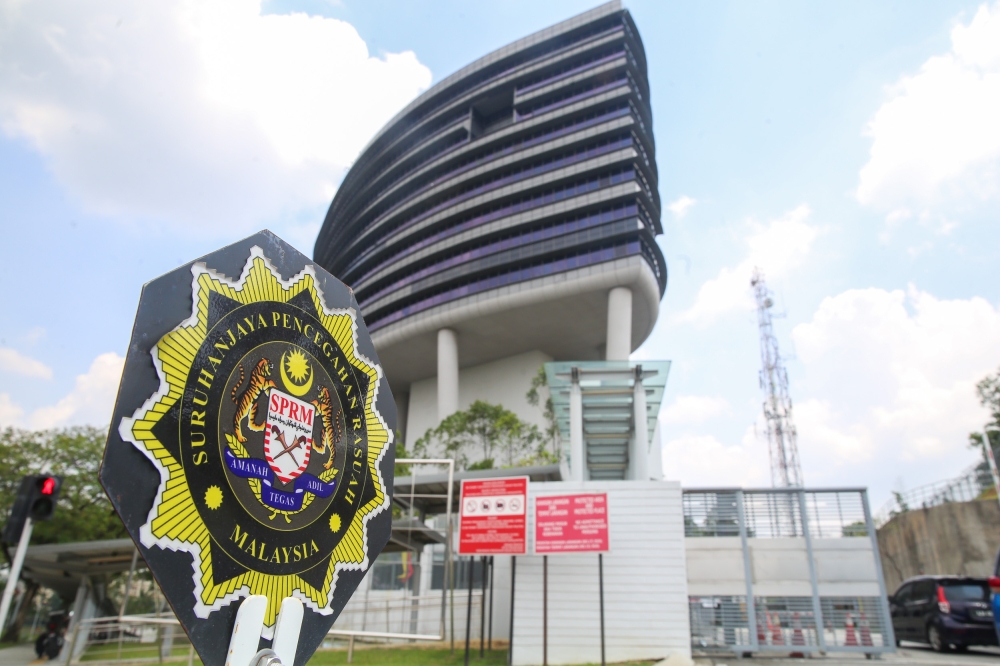
The Malaysian Anti-Corruption Commission has expanded its investigation into the MyIMMs data breach by detaining five more immigration officers in Putrajaya, escalating what authorities now treat as a serious cybersecurity and integrity matter involving the government's critical immigration management system. The arrests follow earlier detentions and indicate that the scope of the alleged unauthorized access may be broader than initially suspected, potentially involving multiple officers across different operational levels within the immigration bureaucracy.
MyIMMs, the primary online portal through which Malaysian citizens and foreign nationals manage immigration matters including visa applications, entry permits, and travel document processing, represents one of the most sensitive government digital systems. Unauthorized access to this platform could expose personal identification information, travel records, visa status details, and other confidential data of millions of users both domestically and internationally. The scale of the alleged breach has prompted heightened scrutiny from anti-corruption authorities, who view the incidents as potentially involving deliberate circumvention of system security protocols rather than technical negligence.
The MACC's decision to arrest additional officers suggests investigators have uncovered evidence linking multiple individuals to either direct unauthorized access, facilitation of such access, or conspiracy in the alleged breaches. In cases involving government digital infrastructure, anti-corruption bodies typically examine whether officers exploited their legitimate system access for personal gain, accepted bribes to provide access credentials to unauthorized parties, or participated in schemes to extract or manipulate immigration records. The pattern of multiple arrests indicates authorities may be pursuing an organized element rather than isolated incidents of misconduct.
For Malaysian citizens and visitors, the implications are concerning. Anyone who has submitted applications through MyIMMs or held active records within the system potentially faces exposure of sensitive personal data. This includes biometric information, passport details, travel history, visa types, and in some cases employment or sponsorship documentation. International reputation damage is also a factor, as foreign governments and visa applicants may lose confidence in the security of Malaysia's immigration processing infrastructure, potentially affecting bilateral travel relationships and investor confidence in the country's digital governance capabilities.
The investigation touches on a critical vulnerability in Southeast Asian government systems. Many nations in the region have invested significantly in digital transformation of public services, but personnel integrity and cybersecurity protocols remain persistent weak points. Insider threats—where authorized employees misuse or sell system access—represent a particularly difficult challenge to counter through purely technical means. Malaysia's experience with the MyIMMs breach serves as a cautionary case study for other regional governments developing integrated digital immigration and citizenship systems.
The timing of these arrests also reflects broader governance concerns. Public institutions managing sensitive citizen data face mounting pressure to demonstrate robust internal controls, especially following high-profile data breaches globally. Governments must balance digitalization efficiency with security safeguards, a tension that becomes acute when institutional oversight proves inadequate. The MACC's visible investigation and arrests signal an attempt to reassure the public that such breaches are treated seriously and that accountability mechanisms function even within bureaucratic hierarchies.
Investigators will likely examine whether individuals accessed MyIMMs outside normal operational parameters, extracted data for unauthorized purposes, or granted access to external parties. Financial motivation is typically a central investigative angle—whether officers received payments for providing credentials, whether they sold information to third parties, or whether they facilitated immigration fraud schemes. The scale of the apparent operation suggests investigators may have uncovered evidence of coordinated activity rather than isolated misconduct by individual officers.
From a national security perspective, unauthorized access to immigration databases carries additional implications. Foreign intelligence services and criminal networks have strong incentives to penetrate such systems for identity fraud, facilitating unauthorized entry, or gathering intelligence on specific individuals. The MACC investigation will need to determine whether any breaches involved external parties and whether sensitive information may have been transmitted beyond government custody. These considerations inform the intensity of the investigative response and the potential severity of charges that may be filed.
The MyIMMs system itself will likely undergo forensic examination to map exactly when and how unauthorized access occurred, what data was accessed, and whether security logs were tampered with. System administrators and IT personnel may also face scrutiny regarding whether they implemented appropriate access controls and monitoring protocols. The investigation has implications not only for the immigration department but for confidence in other government digital platforms, which rely on similar principles of employee integrity and system security.
As the MACC continues its inquiry, additional arrests remain possible. The commission has historically pursued corruption investigations related to government digital systems through comprehensive internal examination of institutional hierarchies. Individuals with direct system access, supervisory personnel who may have enabled misconduct through negligent oversight, and administrative staff involved in credentials management are typically examined. The five newly arrested officers represent either the breadth of the alleged conspiracy or merely the current stage of an expanding probe.
For the immigration department and the broader civil service, the investigation underscores the necessity of rigorous internal controls, routine security audits, and clear consequences for system misuse. Malaysia's experience with MyIMMs will likely inform updated protocols across government agencies managing sensitive digital platforms. The political leadership faces pressure to demonstrate that institutional mechanisms can identify and punish misconduct, particularly when such breaches affect public trust in government digital services.
The investigation's outcome will provide insights into whether the breaches stemmed from systematic vulnerabilities, deliberate criminal activity, or some combination thereof. Whatever the findings, the incident reinforces that protecting citizen data requires attention not merely to technical infrastructure but to the human elements of government systems—ensuring that authorized personnel maintain institutional integrity and that oversight mechanisms function effectively even within trusted bureaucratic environments.

