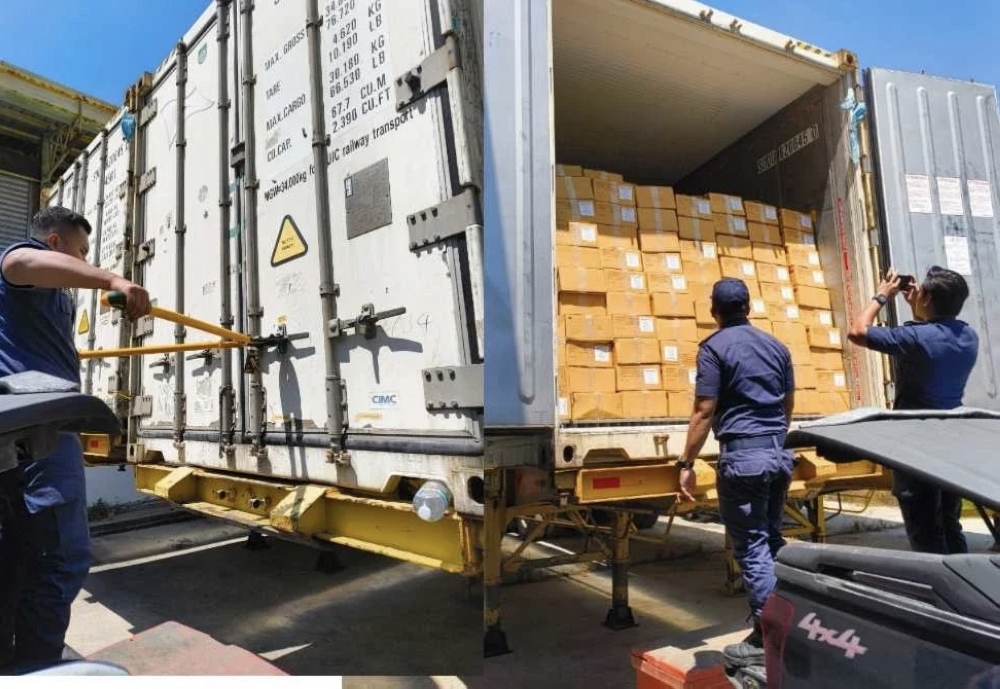
The Malaysian Anti-Corruption Commission has successfully dismantled a smuggling syndicate operating in Sabah that was illegally importing frozen chicken from China, culminating in the arrest of three suspects. The operation, codenamed Operation Chick, represents a significant enforcement action against what authorities characterise as an organised scheme to circumvent Malaysia's food import regulations and customs procedures.
Authorities suspect the network was engaged in systematic violations of import protocols, potentially compromising both food safety standards and legitimate domestic poultry producers who operate within legal frameworks. The investigation revealed the coordination of multiple individuals working to facilitate the unauthorised movement of Chinese frozen chicken products across Sabah's borders, bypassing official inspection and approval mechanisms that exist to protect consumers and maintain fair competition in the local market.
The three individuals detained in connection with the operation are now assisting authorities with further enquiries. Details regarding their roles within the syndicate—whether as importers, distributors, facilitators, or customs-related personnel—remain under investigation as MACC builds its case against the network. Such operations typically involve complex chains of custody designed to obscure the true origin and movement of contraband goods through legitimate supply channels.
This crackdown underscores ongoing vulnerabilities in Malaysia's border security and import verification systems, particularly in Sabah, which shares maritime proximity with the Philippines and Indonesia. The state's geographical position and port infrastructure have historically made it susceptible to smuggling operations across various commodities. Law enforcement agencies have increasingly prioritised detection of illegal food imports, recognising the dual risks of public health contamination and economic harm to domestic agricultural sectors.
Frozen chicken from unapproved foreign sources presents particular concerns for Malaysian food safety regulators. Without adherence to Malaysian standards and traceability requirements, such imports cannot be verified for compliance with halal certification—a critical factor for the predominantly Muslim Malaysian consumer base—or for adherence to veterinary and hygiene standards. Chicken smuggled through informal channels entirely bypasses the inspection protocols administered by the Veterinary Services Department and other relevant authorities.
The operation reflects broader patterns of illicit food trade across Southeast Asia, where price differentials between producing nations and regional markets create substantial profit incentives for organised smuggling networks. Chinese frozen poultry, typically cheaper than domestically produced alternatives, generates significant demand among certain market segments, making enforcement particularly challenging despite the regulatory prohibitions.
Malaysian authorities have intensified scrutiny of the poultry sector in recent years, responding to periodic discoveries of undocumented shipments and unlicensed distribution networks. These enforcement actions serve dual purposes: protecting consumers from potentially unsafe food products and shielding local farmers from unfair competition posed by contraband imports that avoid tariffs and compliance costs borne by legitimate traders.
The MACC's involvement signals that authorities suspect corruption elements within the smuggling operation—possibly implicating customs officials, port personnel, or other government functionaries who may have facilitated the illegal importations in exchange for bribes. Such corruption components transform commodity smuggling into more serious institutional crimes, as they undermine the integrity of Malaysia's border control apparatus and threaten the credibility of regulatory agencies.
Sabah's status as a separate customs territory within Malaysia creates additional complexities for enforcement, as goods moving between Sabah and Peninsular Malaysia face their own regulatory requirements. Smugglers attempting to funnel Chinese frozen chicken into broader Malaysian markets often exploit these jurisdictional nuances, using Sabah as an entry point before redistribution to other states where detection becomes progressively more difficult.
The dismantling of this particular syndicate will likely prompt regulatory reviews to identify procedural gaps that enabled the operation to function. Authorities may examine whether current technology for tracking frozen food shipments, inspecting cold storage facilities, and verifying import documentation requires enhancement or whether enforcement resources need reallocation to high-risk ports and distribution points.
Moving forward, the successful prosecution of the three detained individuals will serve as a deterrent to others contemplating similar illegal ventures, though analysts acknowledge that price differentials will continue motivating smuggling attempts unless the underlying cost structure changes. Strengthened coordination between MACC, customs authorities, port security, and the Veterinary Services Department will be essential to prevent successor operations from filling the void left by this dismantled network.

