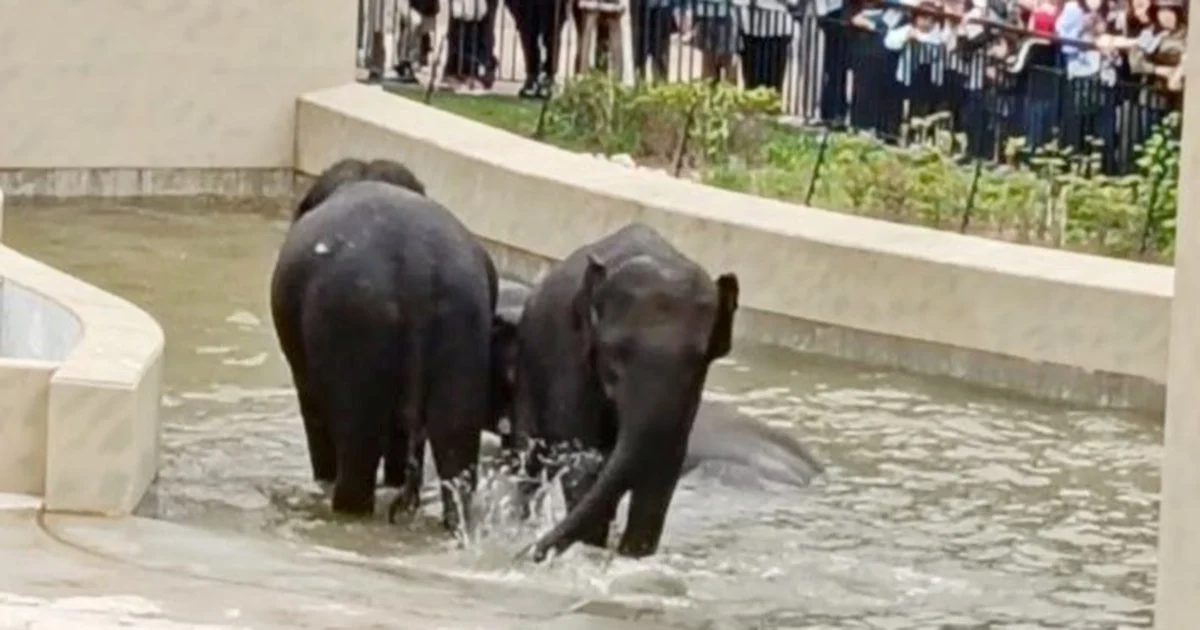
The Malaysian Anti-Corruption Commission has opened an investigation into the Taiping Municipal Council concerning the transfer of three elephants to Tennoji Zoo in Japan, though the probe at this stage is restricted to an examination of relevant paperwork and records. This development marks a significant moment for public accountability in decisions involving wildlife management and international animal transfers within Malaysia, particularly given the heightened public concern over conservation practices and proper governance procedures.
The MACC's decision to conduct a document-focused review suggests that the initial stage of inquiry centres on verifying whether the council adhered to established protocols, approval chains, and administrative requirements when processing this transaction. Such scrutiny is particularly important given that transfers of animals held in municipal care involve multiple layers of decision-making, from financial considerations to welfare assessments, each requiring appropriate documentary evidence and authorisation.
The Taiping Municipal Council, responsible for managing municipal affairs in the Taiping district in Perak, held these three elephants under what would typically be classified as public or semi-public care arrangements. Any decision to transfer such animals internationally involves complex considerations including animal health certifications, compliance with international wildlife transfer protocols, and potentially relevant Malaysian wildlife regulations. The documentation required for such an arrangement would encompass health records, transfer agreements, financial terms, and evidence of proper approvals at various administrative levels.
Tennoji Zoo, located in Osaka, Japan, is a well-established zoological facility with a documented history of housing large animals. The choice of this particular international destination for the elephant transfer would have required evaluation by the Taiping Municipal Council, raising questions about the assessment process used to select this facility and the criteria applied in determining it suitable for the animals' long-term care.
The scope of MACC's current investigation, limited to documentary review, typically represents an early phase of inquiry. During this phase, investigators examine whether proper procedures were followed, whether all required approvals were obtained from appropriate authorities, and whether the council maintained adequate records of its decision-making process. This approach allows the anti-corruption body to identify potential irregularities or procedural lapses without yet requiring witness interviews or more intensive investigative measures.
For Malaysian readers and stakeholders in animal welfare, this investigation touches on broader questions about governance in public institutions managing animal care. The manner in which decisions are documented and justified reflects the transparency and accountability standards within municipal administration. Given Malaysia's position as a nation with significant wildlife heritage, the scrutiny applied to such decisions carries implications for how public assets, including animals, are managed and transferred.
The elephant transfer case occurs within a broader context of international discussion regarding animal welfare in zoos and the movement of large animals across continents. Malaysia has previously faced global attention regarding wildlife conservation and animal care standards, making this investigation particularly relevant to the country's reputation for responsible governance of such matters. The MACC's involvement signals that transparency in these decisions is considered a matter of public interest.
For the Taiping Municipal Council, the document review will require providing comprehensive records of how the decision was made, who authorised it at various stages, what financial arrangements were involved, and what communications occurred between the council and Tennoji Zoo. Any gaps in documentation or evidence of irregular approval processes could potentially lead to escalation of the investigation beyond the current documentary phase.
The investigation's outcome may also have implications for other Malaysian local authorities managing similar facilities or animals. Clear findings regarding proper procedures for such transfers could establish precedent for how municipalities should conduct due diligence and maintain documentation for comparable decisions in the future. This could strengthen governance frameworks across local government in Malaysia.
Stakeholders including animal welfare advocates, conservation organisations, and the general public will likely be monitoring this investigation's progress. The transparency demonstrated by MACC in addressing such matters contributes to building public confidence in anti-corruption institutions and their commitment to scrutinising administrative decisions across all government levels, not merely those involving direct financial transactions.
The limitation of the current investigation to document review also reflects practical aspects of MACC operations. By first establishing a factual record through paperwork examination, investigators can determine whether further inquiry measures are warranted and what additional areas may require examination. This staged approach is common in corruption investigations, where documentary evidence provides the foundation for any subsequent steps.
As Malaysia continues to enhance its governance and institutional accountability frameworks, investigations such as this demonstrate the mechanisms through which public institutions are held responsible for their decisions. The MACC's involvement in examining municipal council procedures, even in matters that may not involve obvious financial misconduct, reflects an expanding understanding of corruption and governance issues in the modern administrative context.

