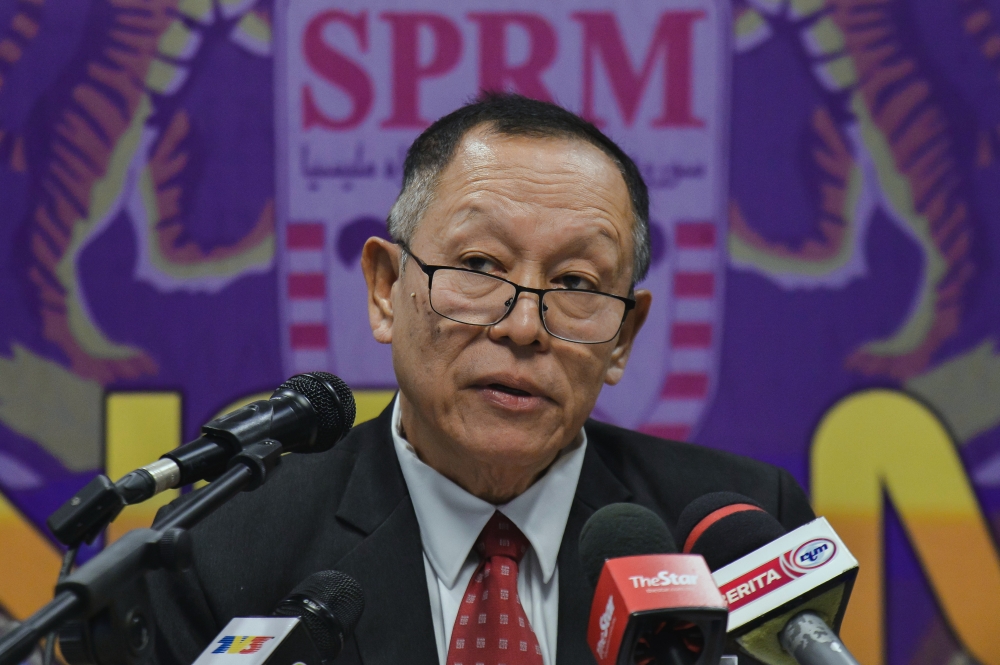
The Malaysian Anti-Corruption Commission is contemplating bringing in overseas forensic specialists to help unravel the complexities of its expanding Tabung Haji investigation, signalling that domestic resources may prove insufficient for a probe of this magnitude. After conducting interviews with 115 witnesses and detaining seven suspects, the MACC has reached a juncture where the technical scope of the inquiry may benefit from international experience and specialised capabilities.
The decision to potentially seek foreign forensic assistance underscores the intricacy of financial wrongdoing allegations involving Malaysia's pilgrimage fund, one of the country's largest government-linked entities managing billions of ringgit in savings for Muslim pilgrims. The sheer volume of witness statements already gathered—at 115 and counting—suggests investigators are uncovering multiple layers of suspected misconduct that demand careful documentary analysis and forensic accounting techniques.
Tabung Haji's significance to Malaysian society extends beyond its financial footprint. The institution holds deep cultural and religious importance, serving as a trusted repository for savings among Muslim Malaysians preparing for their hajj pilgrimage. Any mismanagement of funds erodes public confidence not only in the organisation itself but in government-linked institutions more broadly, making the thoroughness of this investigation a matter of public interest and institutional legitimacy.
The seven individuals currently detained represent the first concrete enforcement action in what appears to be a systematic examination of the fund's operations. Their identities and specific roles remain under investigation, but their detention suggests the MACC has identified sufficient evidence linking them to suspected financial irregularities. The progression from witness interviews to detention indicates an investigative pathway narrowing toward potential charges.
International forensic experts bring methodologies and technological capabilities that may not be readily available within Malaysia's current anti-corruption apparatus. Complex financial investigations frequently require tracing transactions across multiple jurisdictions, analysing sophisticated accounting structures, and employing digital forensics to recover evidence from electronic systems. Countries with established reputations in anti-corruption work—particularly Singapore, Hong Kong, and various Western jurisdictions—have developed forensic techniques refined through decades of high-profile financial crime cases.
The involvement of foreign specialists also carries diplomatic and transparency dimensions. Engaging international experts can enhance the credibility of findings, particularly if prosecutions eventually proceed to court. Defence counsel may otherwise challenge the methodology or conclusions of domestic-only investigations, especially in cases involving complex financial architecture. International participation lends procedural legitimacy that Malaysian courts and the public may view more favourably.
However, such engagement raises practical considerations. Foreign forensic teams require security clearances, coordination with Malaysian law enforcement, and careful management of sensitive information concerning a major government institution. Intelligence protocols must protect proprietary details about Tabung Haji's operations while allowing investigators adequate freedom to pursue leads. Negotiating these parameters typically involves diplomatic channels and formal agreements on confidentiality and information-sharing.
The timing of this investigation reflects broader regional concerns about institutional corruption. Southeast Asian countries have witnessed numerous high-profile cases involving mismanagement of sovereign wealth funds and pilgrimage-related finances, creating comparative pressure on Malaysian authorities to demonstrate rigorous enforcement. Public expectations for competent, thorough investigation are correspondingly elevated, particularly given MACC's mandate and reputation.
For Malaysian investors and savers who maintain accounts with Tabung Haji, the investigation's progression carries tangible implications. Questions about fund security, asset integrity, and the capability of management to protect accumulated savings directly affect participation and contribution levels. Transparency about investigative progress, even within confidentiality constraints, becomes important for reassuring contributors that misconduct is being properly addressed.
The investigation's scope—already extensive in witness interviews and detentions—suggests that alleged irregularities may be systemic rather than isolated. This possibility reinforces the rationale for sophisticated forensic analysis rather than straightforward accounting reviews. Entrenched financial mismanagement typically requires specialist examination of hidden transactions, shell arrangements, and deliberate obscuration of fund flows.
Precedent exists within the Malaysian system for international cooperation on corruption investigations. Past cases have involved foreign authorities, asset recovery specialists, and forensic teams working alongside MACC. Building on this experience, the commission appears positioned to navigate the logistical and procedural aspects of engaging overseas expertise, provided budgetary approval and inter-agency coordination proceed smoothly.
The investigation's ultimate impact depends substantially on its completeness and evidentiary rigor. Whether pursued with domestic resources alone or enhanced by international forensic assistance, the probe must produce findings capable of withstanding legal scrutiny and public examination. For Tabung Haji, its contributors, and Malaysian confidence in institutional integrity, the adequacy of investigative methodology now matters as much as the facts themselves.

