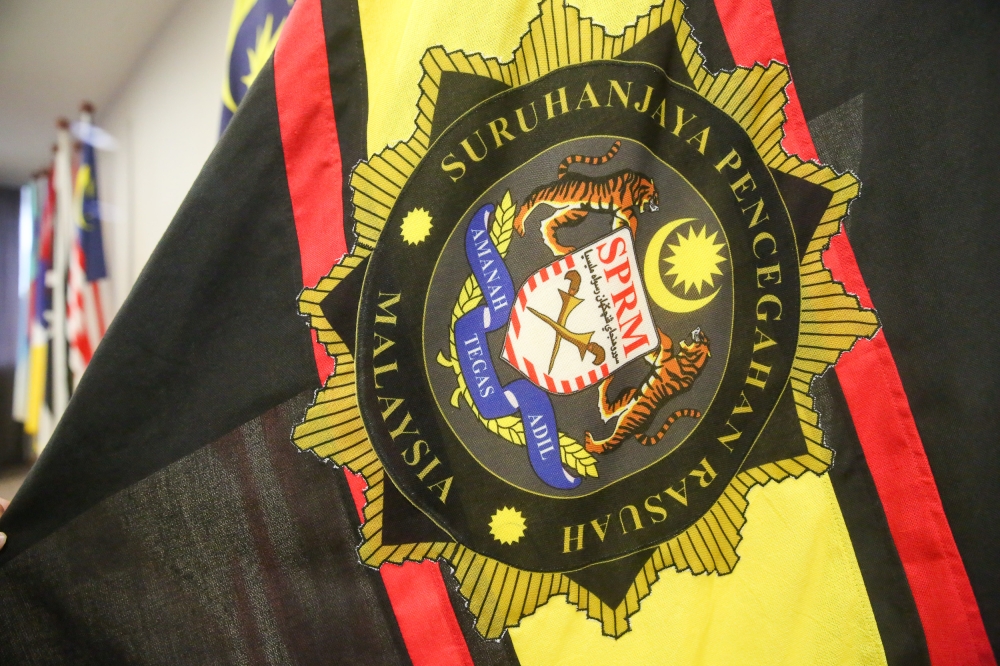
The Malaysian Anti-Corruption Commission has taken into custody a former estate manager employed by a rubber sapling supply company operating in the Klang Valley region. The detention relates to an investigation into a transaction worth approximately RM8 million, which has emerged as a focal point within the broader inquiry conducted by the Royal Commission of Inquiry examining Tabung Haji's operations and governance.
This development marks a significant escalation in the MACC's examination of contractual arrangements that may have involved improper dealings or financial irregularities affecting the hajj management agency. The detention suggests that anti-corruption authorities have gathered sufficient evidence to warrant questioning of individuals with direct knowledge of supply chain decisions and procurement processes related to the disputed contract.
Tabung Haji, officially known as Lembaga Tabung Haji, serves as Malaysia's primary financial institution dedicated to facilitating the hajj pilgrimage for Muslim citizens. The agency manages substantial reserves contributed by millions of Malaysians and holds considerable strategic importance within the national financial ecosystem. Any irregularities in its procurement practices or contractual engagements carry significant implications for public trust and stewardship of funds designated for religious purposes.
The rubber sapling supply contract under scrutiny represents a particularly noteworthy focus area, as agricultural procurement contracts have historically been susceptible to manipulation, inflated pricing, and supply chain manipulation. The Klang Valley location suggests the transaction may have involved companies operating within Malaysia's developed manufacturing and commercial corridor, where oversight mechanisms ought to be more robust.
The Royal Commission of Inquiry into Tabung Haji's affairs represents a comprehensive examination initiated to clarify governance lapses, internal control weaknesses, and potentially fraudulent activities that may have occurred within the institution. This administrative inquiry carries substantial weight in Malaysian governance, often preceding or complementing criminal investigations conducted by enforcement agencies such as the MACC.
The detention of the estate manager indicates that investigative pathways have extended beyond merely documentary analysis into direct interrogation of individuals positioned to provide insider perspectives on procurement decision-making. Former employees often possess knowledge about approval hierarchies, communication patterns, and informal arrangements that do not appear in official documentation.
For Malaysian investors and depositors in Tabung Haji, developments of this nature underscore concerns about institutional governance that have troubled the agency in recent years. The RM8 million transaction represents a discrete but substantial allocation of resources, and clarity regarding its legitimacy bears directly on confidence in the agency's management structure.
The investigation's connection to the Royal Commission of Inquiry suggests coordinated efforts between administrative and law enforcement authorities to establish comprehensive accountability. Such collaborative approaches typically indicate authorities are pursuing both systemic governance reforms and individual criminal liability simultaneously.
The rubber sector holds particular resonance in Malaysian economic history and continues to represent a significant agricultural commodity. Supply arrangements within this sector warrant especially careful scrutiny, given the sector's susceptibility to both legitimate commercial activity and opportunistic irregularities. The contract's scale suggests involvement of entities with meaningful commercial relationships or contractual obligations.
Detention of individuals connected to questioned transactions serves multiple investigative purposes. Beyond obtaining statements and clarifying factual matters, such actions often prompt cooperative disclosure of additional problematic arrangements or related transactions that might otherwise remain obscured within institutional records.
Regional observers note that governance failures within major financial institutions operating across Southeast Asia frequently generate broader consequences affecting institutional confidence throughout the region. Malaysia's handling of the Tabung Haji situation carries implications for how other nations approach comparable institutional accountability challenges.
The MACC's continued focus on this matter reflects sustained institutional commitment to examining corruption allegations within what constitutes one of Malaysia's most significant financial stewardship responsibilities. Further developments in the investigation are anticipated as interrogation proceeds and additional documentation receives analysis.
For stakeholders in Tabung Haji including millions of Malaysian pilgrims dependent on the institution's services, resolution of these investigative matters carries practical importance extending beyond questions of institutional integrity to matters affecting hajj pilgrimage access and financial security of contribution reserves.

