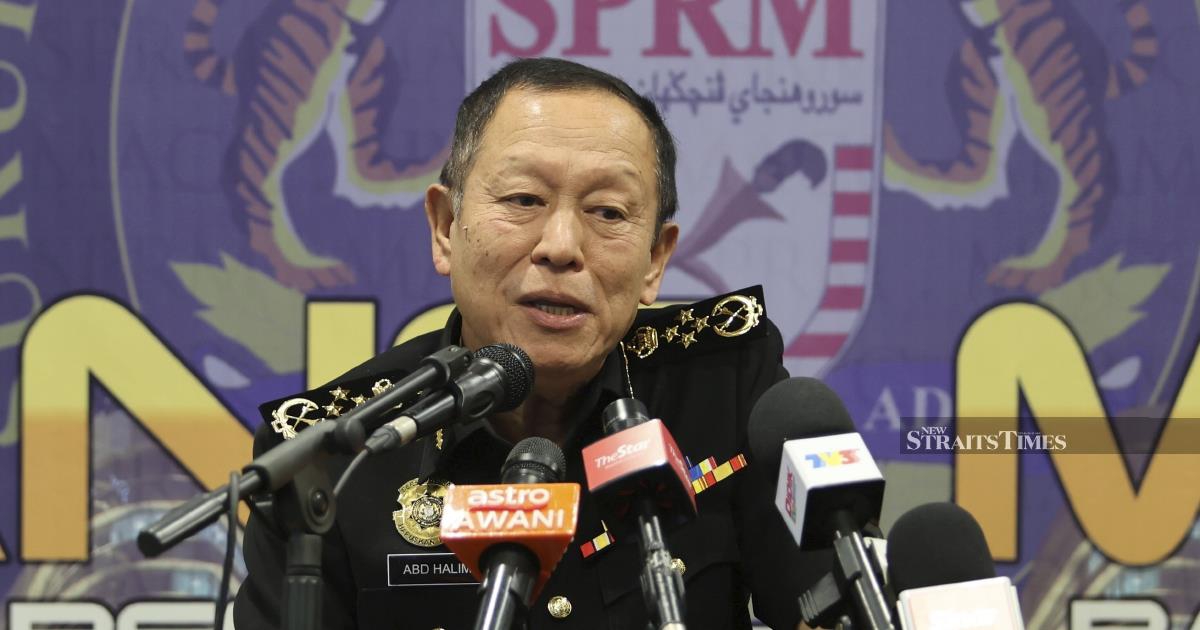
The Malaysian Anti-Corruption Commission (MACC) has intensified its investigation into a highly scrutinised investment decision by deepening its witness collection efforts, having now recorded statements from ten individuals with direct knowledge of or involvement in the decision-making process. These witnesses comprise senior management personnel from the Retirement Fund (Incorporated), known as KWAP, alongside high-ranking officials from the Ministry of Finance, reflecting the cross-institutional nature of the transaction that has drawn regulatory attention.
The investigation centres on KWAP's RM200 million investment commitment to eFishery, an Indonesian company specialising in aquaculture technology solutions. This substantial capital deployment represents a significant commitment of pensioner funds to a foreign venture, raising questions about investment due diligence, governance oversight, and adherence to established investment protocols. The scale of the allocation and the emerging scrutiny suggest that multiple approval layers and decision-makers were involved in authorising the transaction.
Witness testimony gathering represents a critical phase in the MACC's investigative methodology, allowing investigators to construct a detailed timeline of decision-making processes, identify who knew what information at different stages, and establish whether proper procedures were followed. The involvement of both KWAP and Finance Ministry representatives indicates that investigators are examining whether there were sufficient safeguards across institutional boundaries and whether all relevant stakeholders received adequate oversight.
KWAP, which manages retirement contributions for millions of Malaysian workers, operates under strict fiduciary obligations to preserve and grow pension assets prudently. Any significant overseas investment must satisfy stringent criteria regarding risk assessment, market analysis, and long-term viability. The decision to channel such a substantial sum into a relatively nascent technology company in Indonesia's aquaculture sector raises legitimate questions about whether such commitments align with the fund's conservative investment mandates and risk tolerance thresholds.
The involvement of Finance Ministry officials in the witness list suggests that MACC investigators are exploring whether this transaction received appropriate ministerial-level approval and scrutiny. As custodians of public financial oversight, Finance Ministry personnel typically provide guidance on major institutional investments, particularly those involving substantial capital transfers to foreign entities. Their testimony would help establish whether departmental reviews were conducted and what recommendations were tendered regarding the proposed investment.
Indonesia's aquaculture sector represents a growth industry within Southeast Asia, as regional demand for sustainable seafood production continues expanding. However, investments in emerging technology platforms within this space carry inherent risks, particularly regarding technological validation, market adoption rates, and competitive positioning. Malaysian investors directing pension funds toward such ventures must conduct particularly rigorous due diligence to protect beneficiaries from potential capital impairment.
The MACC's investigative approach through sequential witness interviews allows for cross-validation of accounts and clarification of inconsistencies that may emerge. Each official questioned provides their perspective on key decision points, the information available at critical junctures, and the reasoning underlying approval recommendations. This testimonial foundation enables investigators to determine whether lapses in process, inadequate information sharing, or questionable judgment influenced the investment decision.
For Malaysian pensioners and workers whose retirement security depends on prudent fund management, this investigation carries direct personal significance. The outcome will likely influence how retirement funds approach foreign investment allocations and whether governance structures require strengthening. Transparency regarding how such major decisions are made and who bears responsibility for outcomes builds public confidence in institutional stewardship of collective savings.
The timeline of the investigation remains undisclosed, though systematic witness statement recording suggests MACC is methodically building its factual foundation before drawing conclusions. Once witness interviews conclude, investigators must analyse documentation, financial records, and communications to construct a comprehensive narrative of the investment's genesis, approval chain, and subsequent performance. This documentary evidence will either corroborate witness accounts or reveal contradictions warranting further scrutiny.
This inquiry occurs within Malaysia's broader governance framework emphasising institutional accountability and transparent use of public assets. Recent years have witnessed heightened expectations for rigorous oversight of sovereign wealth fund and pension fund investments, with particular attention to whether such deployments genuinely serve beneficial owner interests or whether conflicts of interest, inadequate process, or poor judgment compromise returns. The KWAP investigation will contribute to evolving standards for how Malaysia's major financial institutions conduct overseas investment activities.
The eFishery investment exemplifies the complexities facing modern pension fund managers balancing conservative stewardship obligations with pressures to achieve competitive returns in an increasingly low-yield global environment. Emerging technology investments in developing markets offer potential upside but introduce multiplicative risks across currency, political, operational, and market dimensions. Malaysian retirement fund governance will likely crystallise around clearer protocols distinguishing permissible venture allocations from those requiring heightened institutional-level approval and external expertise.

