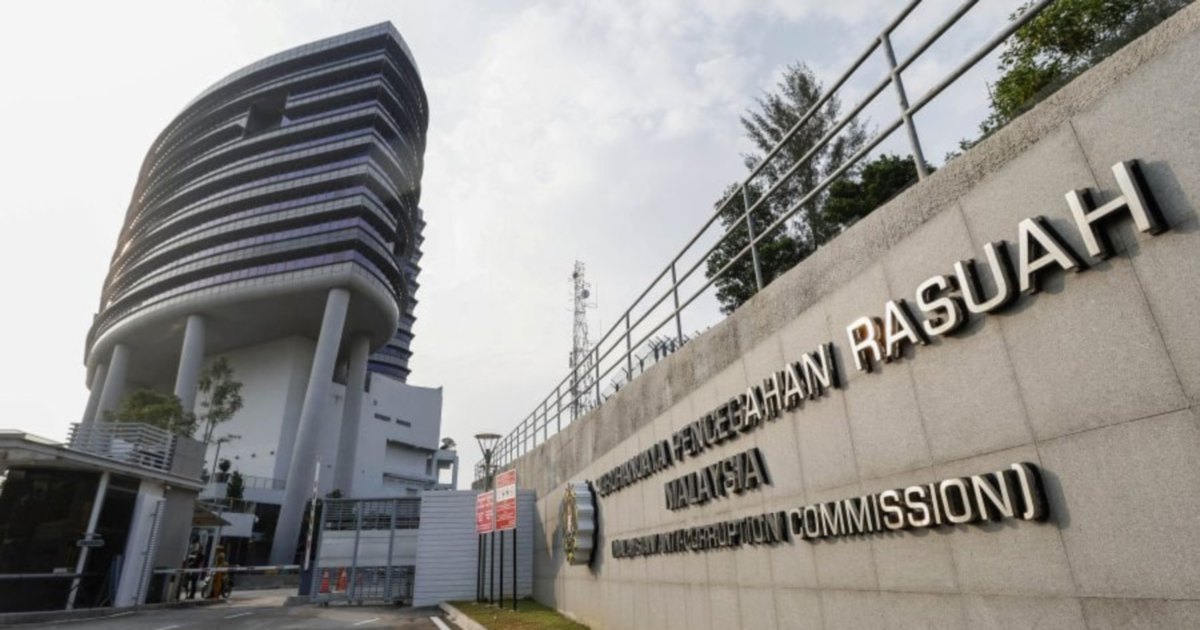
The Malaysian Anti-Corruption Commission has intensified its inquiry into a substantial financial setback at the Retirement Fund Inc, with investigators making an unannounced visit to the fund's Kuala Lumpur headquarters this week. The probe centres on how the retirement savings institution came to lose approximately RM200 million following its investment decision in eFishery, an Indonesian technology platform focused on aquaculture operations and fish farming modernisation.
The loss represents a significant concern for KWAP, which manages retirement and pension benefits for a substantial portion of Malaysia's workforce. The fund's investment in eFishery was intended to tap into the growing Southeast Asian aquaculture sector, which has attracted considerable capital from institutional investors seeking exposure to food production innovation and emerging market growth opportunities. However, the investment deteriorated sharply, raising questions about due diligence procedures, governance oversight, and decision-making processes within the organisation.
Investors and financial analysts have grown increasingly scrutinised over how major institutional funds conduct overseas investments, particularly in high-growth but higher-risk technology ventures in regional markets. The eFishery case illuminates broader concerns about investment risk assessment, especially when funds with public policy mandates deploy retirement savings into emerging technology platforms with limited track records or unfamiliar operational environments. Such scrutiny reflects the need for enhanced transparency and accountability in how fiduciary institutions allocate pensioner contributions across international portfolios.
The MACC's involvement signals that investigators suspect potential misconduct rather than simple investment miscalculation. Anti-corruption bodies typically intervene when allegations suggest deliberate mismanagement, breach of fiduciary duty, or fraudulent misrepresentation of investment opportunities. The commission's presence at KWAP's offices implies systematic document collection and personnel interviews aimed at establishing whether proper investment protocols were observed or whether any individuals benefited improperly from the transaction.
EFishery operates within Indonesia's rapidly expanding aquaculture sector, providing digital solutions to fish farmers through software platforms and technological infrastructure. The company had attracted venture capital and strategic investors keen to modernise Southeast Asia's fishing and farming practices. However, the investment's poor performance has compelled Malaysian pension stakeholders and regulators to examine what competitive advantages the platform actually possessed and whether promotional materials accurately represented its operational and financial viability.
The investigation carries implications for KWAP's reputation and governance framework. Retirement fund administrators face inherent pressure to generate returns that meet long-term pension liabilities while maintaining conservative risk profiles appropriate for members' savings. When major losses occur, especially those potentially linked to inadequate oversight or questionable decision-making, public confidence erodes. Members become concerned whether their contributions are being managed with appropriate prudence, potentially affecting the fund's ability to attract and retain beneficiaries.
Regional fund managers and institutional investors will be monitoring this case closely, as outcomes may influence investment policies across Southeast Asia's pension and retirement systems. Regulators across ASEAN economies are increasingly emphasising governance standards and risk management protocols, particularly following high-profile investment failures. Malaysia's handling of the KWAP situation will likely shape how other regional funds approach foreign technology investments and establish internal approval mechanisms for large international commitments.
The RM200 million represents substantial capital that could have funded domestic initiatives or provided retirement income security for thousands of members. The loss raises fundamental questions about investment committee composition, expertise in assessing emerging technology ventures, and whether external advisors conducted independent due diligence on eFishery's operations, finances, and management capabilities. These procedural questions will probably form core elements of MACC's investigation.
Beyond the immediate inquiry, the eFishery case highlights growing complexity in international investment strategies for Malaysian institutions. Aquaculture technology represents a legitimate investment theme given Southeast Asia's food production demands and digitisation trends. However, distinguishing between genuine innovation platforms and ventures with inflated valuations or unproven business models requires sophisticated analytical capacity and perhaps external expertise that some institutional investors possess inadequately. This suggests broader industry-wide implications for how Malaysian funds approach frontier market and technology sector investments.

