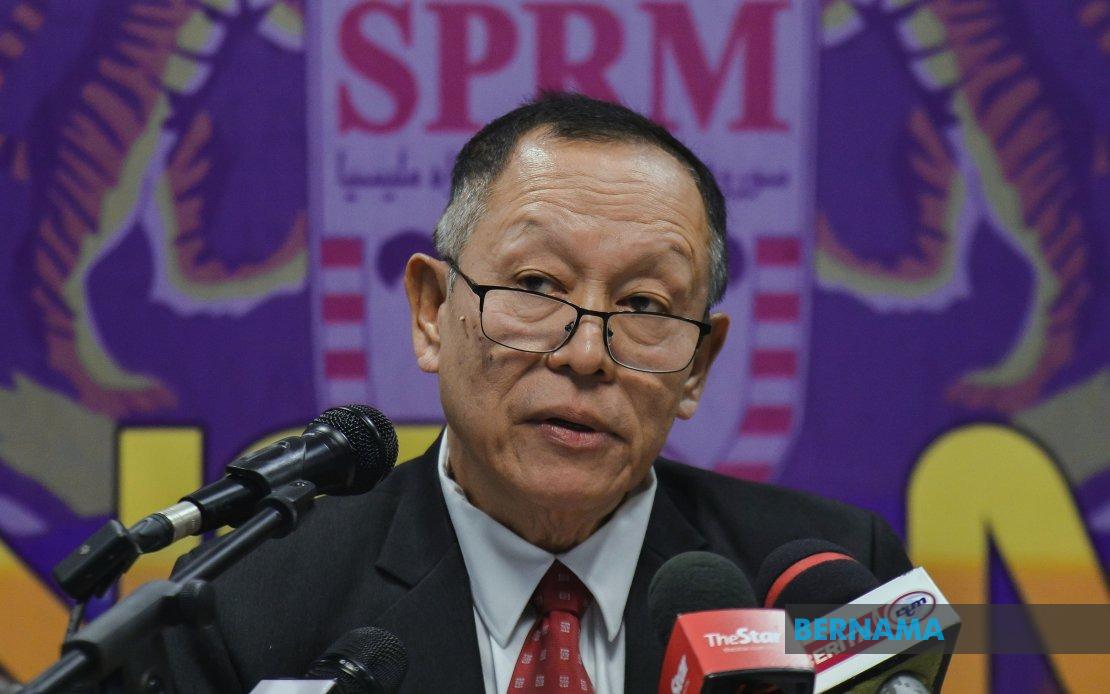
The Malaysian Anti-Corruption Commission has shifted into high gear ahead of Saturday's Johor state election, confirming it is actively investigating three separate allegations of electoral misconduct. The revelations emerged during a press conference at MACC headquarters in Putrajaya, where chief commissioner Datuk Seri Abd Halim Aman disclosed the nature and scope of investigations currently underway as the state braces for a significant political contest.
Among the three complaints received, one specifically names a candidate as the subject of corruption allegations, marking a notable development in what has otherwise been a relatively subdued campaign period in Johor. The MACC chief pointedly declined to reveal further identifying details, citing the sensitivity of active investigations and the need to protect the integrity of the enquiry process. The remaining two reports were lodged by members of the general public, suggesting that watchfulness among ordinary citizens remains an important safeguard during electoral periods.
The distinction between the sources of these complaints offers insight into the multi-layered oversight mechanisms now in place during elections. One report originated from the Election Campaign Enforcement Team stationed in Batu Pahat, the designated body responsible for monitoring campaign conduct in that district. This institutional reporting channel complements citizen engagement, creating overlapping systems designed to catch irregularities that might otherwise escape notice during the intensity of political campaigns.
Abd Halim's statement that "if there is corruption in the ongoing election, regardless of the party, candidate, voter or supporter involved, corruption is corruption" underscores the MACC's commitment to impartial investigation. This principled stance matters considerably in Malaysia's polarised political environment, where concerns about selective enforcement have periodically shadowed anti-corruption efforts. By explicitly committing to investigate all allegations regardless of political affiliation, the commission seeks to reinforce public confidence in its institutional independence—a critical asset during electoral periods when public trust in democratic institutions is under particular scrutiny.
To facilitate reporting and investigation across Johor's vast territory, the MACC has established dedicated operational rooms in five strategic locations: Johor Bahru, Segamat, Kluang, Batu Pahat, and Mersing. This geographical distribution reflects recognition that corruption allegations may arise from various parts of the state, and accessibility to reporting mechanisms strengthens deterrence. Citizens can now approach MACC representatives at locations near their home constituencies, removing logistical barriers that might otherwise discourage reporting of suspected violations.
The timing of these disclosures carries particular significance given that the Johor electorate will vote this weekend to select 56 state assembly representatives across the state's constituencies. Approximately 2.7 million registered voters are eligible to cast ballots in what represents a significant democratic exercise for Malaysia's southern tier. The relatively modest number of allegations received suggests the campaign has largely proceeded without major corruption scandals, though the investigations now underway will test that apparent order.
Abd Halim's broader messaging extended beyond the specific investigations to encompass systemic integrity concerns. He emphasised that clean elections serve purposes beyond the immediate political sphere, strengthening institutional legitimacy and public confidence in democratic processes more broadly. This framing resonates with Malaysia's ongoing efforts to consolidate electoral confidence following years of intense political contestation and occasional questions about campaign finance transparency and resource allocation across competing parties.
The MACC chief issued a comprehensive reminder that all stakeholders—candidates, political parties, their supporters, and voters themselves—bear responsibility for maintaining electoral propriety throughout both the campaign period and on polling day itself. This message distributes accountability across the electoral ecosystem rather than concentrating scrutiny solely on official observers, implicitly acknowledging that safeguarding elections requires participation and compliance from multiple actors simultaneously.
For Malaysian political observers, the situation reflects a broader global trend toward heightened institutional vigilance during electoral periods. The establishment of dedicated operational rooms and the activation of specialised enforcement teams represent administrative infrastructure investments that signal serious commitment to detection and investigation. Whether this translates into meaningful deterrence or prosecution—and whether such outcomes are perceived as equitable across political divides—remains a question that will shape Malaysian electoral culture in coming years.
The allegations under investigation occur against a backdrop of Malaysia's broader governance challenges, where corruption perceptions have fluctuated based partly on political circumstances and partly on genuine systemic improvements. Johor, as Malaysia's second-most populous state and economically significant region, warrants particular scrutiny precisely because electoral outcomes there carry ripple effects throughout peninsular Malaysian politics. The MACC's visible presence and explicit commitment to impartial investigation may therefore serve purposes beyond this particular election, helping establish procedural norms that structure future electoral contests.
As voters prepare to exercise their franchise this Saturday, the existence of these ongoing investigations adds a dimension of uncertainty and scrutiny to the proceedings. The MACC's willingness to publicly acknowledge investigations, rather than maintaining complete silence, demonstrates confidence in process integrity while also serving a public education function about institutional responsiveness. Whether the investigations culminate in prosecutions or are resolved through other means, the mere existence of active MACC involvement signals that electoral conduct remains subject to institutional oversight—a reassurance that matters in any functioning democracy.

