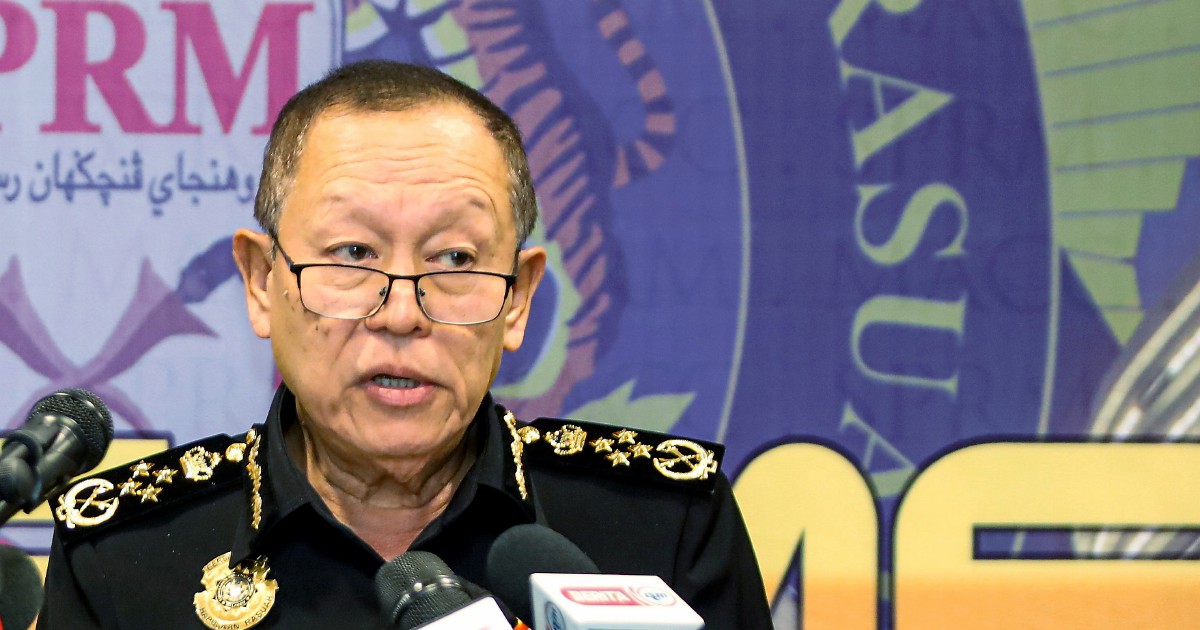
The Malaysian Anti-Corruption Commission (MACC) has formally initiated an investigative file into suspected wrongdoings associated with a substantial RM80 million replanting endeavour undertaken at Felda Palong 7, situated in Wilayah Raja Alias within Negeri Sembilan. This development signals the anti-graft body's commitment to scrutinising major agricultural development projects that form part of the Felda settlement scheme infrastructure across Malaysia.
Felda Palong 7, like other regional Felda operations, represents a significant component of Malaysia's agricultural framework, historically serving smallholder plantation workers and contributing to the nation's broader economic development agenda. The alleged discrepancies flagged in this investigation touch on a replanting initiative designed to rejuvenate productive capacity within the settlement. Replanting projects constitute essential expenditures within the Felda ecosystem, requiring substantial capital deployment and careful stewardship of public resources.
The opening of an investigation paper by MACC indicates that credible allegations of financial irregularities or administrative misconduct have been formally documented and now warrant systematic examination. Such probes typically explore whether procurement processes adhered to regulatory frameworks, whether contract award procedures followed competitive and transparent protocols, and whether project implementation matched approved specifications and budgets. The RM80 million figure underscores the scale of resources involved and the corresponding imperative for accountability.
For Malaysian stakeholders and public observers, MACC's action reinforces the institutional framework designed to combat corruption within state-owned enterprises and development authorities. The commission's willingness to investigate major agricultural projects sends a message that no sector or agency remains beyond scrutiny, regardless of historical significance or political sensitivities. This reflects broader governance expectations that institutional integrity must be maintained across all public spending categories.
The Felda settlement system has long occupied a distinctive position within Malaysia's political and economic landscape, functioning as both a rural development model and an employer of substantial significance. Previous controversies surrounding Felda's financial management and corporate governance have periodically generated public concern and parliamentary debate. This fresh investigation into the Palong 7 initiative reflects ongoing vigilance regarding operational standards within the organisation, particularly as Felda navigates modernisation and organisational restructuring initiatives.
Negeri Sembilan's status as a location for such significant agricultural investment reflects the state's continuing role in plantation agriculture and rural development. The state hosts multiple Felda schemes and remains integral to Malaysia's agricultural production capacity. Projects of this magnitude require coordination across multiple levels of government administration, making transparency and compliance mechanisms all the more critical to effective service delivery.
The investigation process itself typically encompasses document reviews, financial audits, witness interviews, and forensic analysis where warranted. MACC investigators will likely examine procurement documentation, contractor qualifications, project specifications, payment vouchers, and supervisory records to establish whether irregularities occurred at any project stage. The commission's investigative capacity has expanded considerably in recent years, enabling more sophisticated examination of complex financial transactions and administrative arrangements.
From a systemic governance perspective, MACC's action highlights the importance of robust internal controls, transparent procurement practices, and independent oversight mechanisms within large public institutions. The replanting project's scale necessitates meticulous planning, competitive tendering processes, and rigorous quality assurance protocols. When these safeguards function effectively, public confidence in resource allocation strengthens, and development outcomes improve. Conversely, when irregularities emerge, institutional credibility suffers and public resources risk being deployed inefficiently or diverted.
The broader Malaysian context for this investigation reflects heightened public expectations regarding corporate accountability within state-linked enterprises. Recent years have witnessed increased scrutiny of spending patterns, contract awards, and governance frameworks across government-linked companies and statutory authorities. Civil society organisations, media outlets, and parliamentary oversight mechanisms have collectively elevated transparency standards, creating environments where institutional self-policing increasingly supplements external regulatory mechanisms.
For investors, business partners, and contractors engaged with Felda and similar development entities, investigations of this nature underscore the necessity of maintaining rigorous compliance standards and documentation practices. Organisations working on publicly-funded projects must anticipate heightened oversight and ensure that procurement, implementation, and financial management practices withstand potential external examination. This environment, while placing additional administrative burdens on project stakeholders, ultimately strengthens institutional governance and encourages best practices throughout the development sector.
As MACC's investigation proceeds, stakeholders await clarification regarding the specific nature of alleged discrepancies, the entities or individuals implicated, and the timeline for investigative completion. Transparency throughout the investigative process, combined with timely disclosure of findings and any remedial actions required, will prove essential to maintaining public confidence in both MACC's effectiveness and Felda's institutional integrity moving forward.
The investigation underscores broader questions about how Malaysia's agricultural development institutions can simultaneously pursue modernisation objectives while maintaining stringent governance standards and public accountability. The outcomes of this inquiry may yield insights applicable across the development sector, potentially informing enhanced protocols for future project management within Felda and comparable organisations nationwide.

