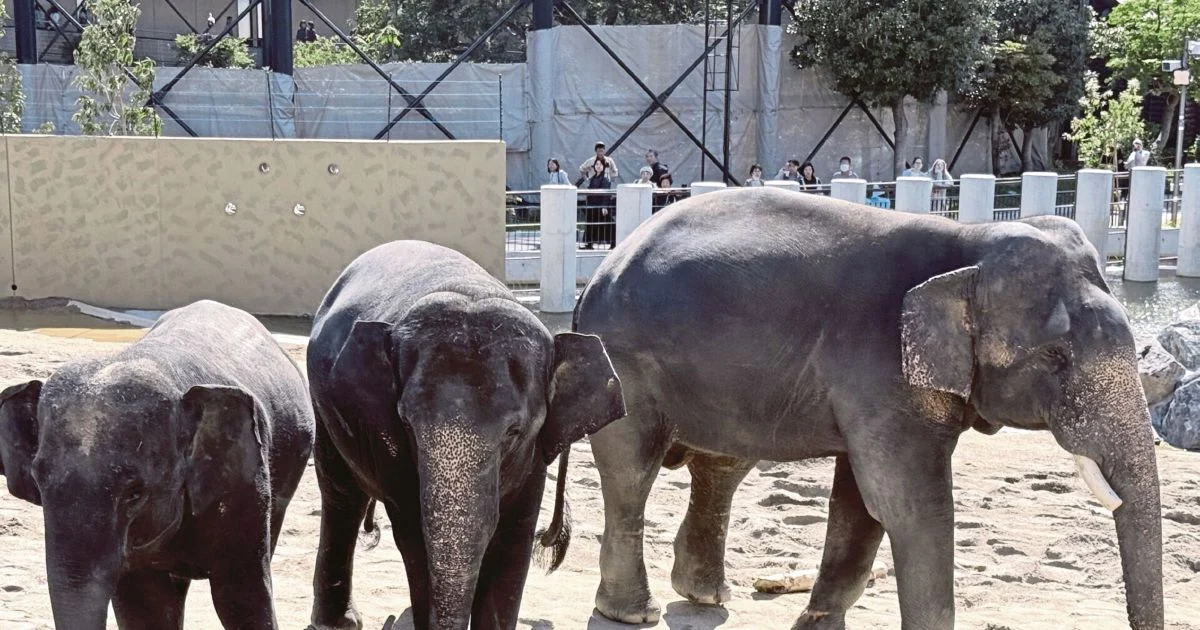
The Malaysian Anti-Corruption Commission (MACC) has initiated a formal investigation into the relocation of three Asian elephants from Zoo Taiping to Tennoji Zoo in Osaka, Japan, raising questions about the decision-making processes governing international wildlife transfers by Malaysian public institutions. The probe comes amid growing scrutiny over how such transactions are authorised and whether proper oversight mechanisms were observed throughout the arrangement.
This inquiry reflects broader concerns about transparency in how Malaysian zoos manage their animal welfare responsibilities and international agreements. Zoo Taiping, one of the country's oldest and most established wildlife facilities, has long been subject to public interest given its status as a repository of Malaysia's natural heritage. The movement of animals—particularly highly sentient species such as Asian elephants—typically involves complex negotiations encompassing animal welfare standards, legal compliance, and diplomatic considerations between nations.
Asian elephants hold particular significance in Malaysian culture and conservation efforts. These creatures are classified as vulnerable on the International Union for Conservation of Nature's Red List, making their care and management matters of considerable public concern. Any international transfer of such animals demands rigorous evaluation to ensure that relocation serves legitimate conservation, breeding, or welfare objectives rather than serving other interests.
The MACC's involvement suggests that investigators are examining whether the transaction involved irregular procedures, potential misuse of authority, or breaches of fiduciary duty by officials overseeing Zoo Taiping's operations. Corruption-related concerns in such arrangements might encompass undisclosed financial arrangements, circumvention of mandatory approval procedures, or conflicts of interest among decision-makers. The commission's investigative focus indicates that preliminary information prompted officials to believe that misconduct allegations warranted formal examination.
Tennoji Zoo in Osaka is a well-regarded facility with established elephant management programmes. However, the transfer's circumstances—including how stakeholders reached the agreement, whether competitive bidding occurred, and what criteria determined the selection of recipient facilities—appear to have attracted official attention. Malaysian public institutions handling national assets bear heightened accountability obligations, and such international arrangements demand particular scrutiny to prevent any compromise of public interests.
The investigation arrives at a time when Malaysian society is increasingly demanding transparency from government-linked entities managing public resources and national heritage. Zoo Taiping operates under state government administration in Perak, making its decisions subject to enhanced public accountability standards. Residents of the state and Malaysians generally have legitimate interests in understanding how decisions affecting iconic national institutions are executed.
For Southeast Asian perspectives, this inquiry underscores the region's growing commitment to strengthening governance frameworks surrounding wildlife management and international animal transfers. Several nations across Southeast Asia have faced criticism regarding elephant welfare and trafficking concerns, making transparent institutional practices increasingly important for regional credibility in conservation efforts. Malaysia's investigation signals that such matters receive serious governmental attention.
The elephant transfer itself, setting aside the investigation, raises substantive questions about optimal animal welfare outcomes. Modern zoo professionals engage in complex deliberations about animal relocation decisions, weighing factors including genetic diversity in breeding programmes, individual animal welfare assessments, facility capacity, and conservation contribution potential. The MACC inquiry does not inherently suggest that the transfer was inappropriate from a zoological standpoint, but rather examines whether administrative processes were properly executed.
For Zoo Taiping specifically, this investigation may influence how the institution structures future international agreements. Heightened scrutiny typically prompts institutional reforms including enhanced documentation, clearer approval hierarchies, and improved stakeholder consultation mechanisms. Such developments can ultimately strengthen governance frameworks across Malaysian zoos and similar public facilities.
The investigation's trajectory remains uncertain at this stage, with the MACC pursuing leads and examining relevant documentation. Potential findings could range from simple procedural clarifications to substantive evidence of misconduct. Regardless of conclusions, the inquiry's existence has already signalled to Malaysian public institutions that wildlife management decisions warrant the same governance rigour applied to other significant transactions.
This development resonates beyond Zoo Taiping itself, establishing precedent regarding how Malaysian authorities will scrutinise similar arrangements involving public institutions and national assets. The case will likely inform future guidelines for international animal transfers, potentially establishing clearer protocols that balance institutional autonomy with public accountability obligations. For now, stakeholders await the commission's findings while maintaining focus on the welfare and wellbeing of the animals at both facilities.

%22%2F%3E%3C%2Fpattern%3E%3C%2Fdefs%3E%3Crect%20width%3D%22100%25%22%20height%3D%22100%25%22%20fill%3D%22url(%23ph585mog)%22%2F%3E%3Crect%20width%3D%22100%25%22%20height%3D%22100%25%22%20fill%3D%22url(%23ph585mop)%22%2F%3E%3Ctext%20x%3D%2250%25%22%20y%3D%2250%25%22%20text-anchor%3D%22middle%22%20dominant-baseline%3D%22central%22%20fill%3D%22rgba(255%2C255%2C255%2C0.95)%22%20font-family%3D%22Georgia%2C%20'Times%20New%20Roman'%2C%20serif%22%20font-weight%3D%22700%22%20font-size%3D%22272%22%20letter-spacing%3D%22-0.02em%22%3EAnwar%3C%2Ftext%3E%3C%2Fsvg%3E)
%22%2F%3E%3C%2Fpattern%3E%3C%2Fdefs%3E%3Crect%20width%3D%22100%25%22%20height%3D%22100%25%22%20fill%3D%22url(%23ph2vhxdg)%22%2F%3E%3Crect%20width%3D%22100%25%22%20height%3D%22100%25%22%20fill%3D%22url(%23ph2vhxdp)%22%2F%3E%3Ctext%20x%3D%2250%25%22%20y%3D%2250%25%22%20text-anchor%3D%22middle%22%20dominant-baseline%3D%22central%22%20fill%3D%22rgba(255%2C255%2C255%2C0.95)%22%20font-family%3D%22Georgia%2C%20'Times%20New%20Roman'%2C%20serif%22%20font-weight%3D%22700%22%20font-size%3D%22320%22%20letter-spacing%3D%22-0.02em%22%3EMACC%3C%2Ftext%3E%3C%2Fsvg%3E)