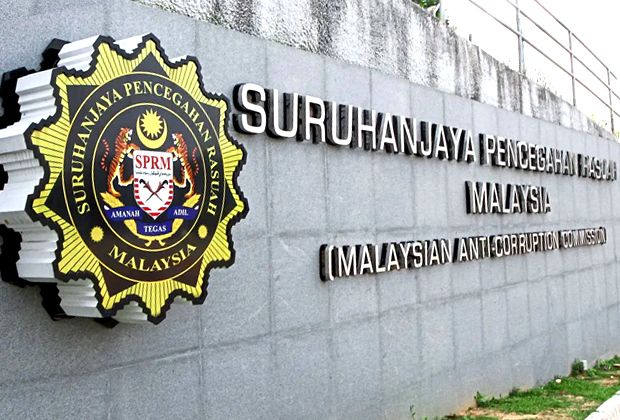
The Malaysian Anti-Corruption Commission has cleared the way for Rohas Tecnic's power transmission and telecommunication tower subsidiary to resume unrestricted banking operations, lifting seizure orders that had constrained the company's financial activities since mid-October. In filings made with Bursa Malaysia, the company confirmed that all previously frozen bank accounts—encompassing both HGPT's corporate facilities and the personal accounts of current and former officers—have now been released from regulatory restriction.
The revocation marks a significant turn in what had been a tumultuous period for the listed company and its operating subsidiaries. What began with simultaneous freezing and seizure orders in October has now concluded with the complete unwinding of financial restrictions, suggesting that whatever scrutiny triggered the original Anti-Money Laundering, Anti-Terrorism Financing and Proceeds of Unlawful Activities Act (AMLA) enforcement action has been satisfactorily resolved. The company's announcement emphasized that it is now free to conduct banking operations without the impediments that had previously limited transaction authority.
Rohas Tecnic initially disclosed the enforcement action on October 17, 2025, when the MACC issued simultaneous orders affecting the company, its subsidiary HGPT, and Rohas-Euco Industries Bhd (REI). The orders were issued under different sections of the AMLA—the primary freezing orders invoked Section 44(1) while seizure orders were grounded in Section 50(1). These provisions represent among the most potent investigative tools available to Malaysian authorities in pursuing suspected money laundering and proceeds of unlawful activity, and their deployment typically signals serious concerns warranting immediate asset preservation.
The timeline of revocation orders reveals a staggered unwinding process that extended across several weeks. REI received its revocation order from the MACC itself on November 25, 2025, operating under Section 44A of the AMLA. This was followed a day later by revocation orders for both Rohas Tecnic and HGPT, though notably these came from the Deputy Public Prosecutor rather than directly from the MACC. The involvement of prosecutorial authority in lifting restrictions suggests the review process extended beyond the commission's initial enforcement determination, potentially indicating coordination between anti-corruption investigators and the broader criminal justice apparatus.
For Malaysian listed companies subject to such enforcement action, the implications extend well beyond immediate banking inconvenience. Asset freezes and seizure orders create operational paralysis that can compromise supplier payments, payroll processing, and investment commitments. The six-week period during which Rohas Tecnic's accounts remained restricted would have presented genuine business complications for a manufacturing and infrastructure company reliant on regular capital movements. The company's ability to secure the revocation suggests either that the investigation concluded without substantive findings requiring continued asset preservation, or that conditions warranting financial surveillance have been satisfactorily addressed.
The power transmission sector in Malaysia remains strategically important to national infrastructure development, with companies like Rohas Tecnic playing roles in telecommunications tower provision and electrical transmission network expansion. Any prolonged disruption to such companies' operations carries implications for ongoing projects and service delivery across the country. The restoration of banking access therefore represents not only a corporate matter but also a practical return to normal operations for infrastructure providers whose work underpins broader economic activity.
From a governance perspective, the episode underscores both the reach of Malaysian anti-corruption enforcement and the due process mechanisms that ultimately govern asset preservation authority. While the MACC possessed sufficient grounds to issue initial freezing orders—presumably based on suspicious transaction reporting, financial intelligence, or investigative findings—the subsequent revocation through prosecutorial channels demonstrates that financial restrictions remain subject to ongoing legal evaluation and can be lifted when continuing justification is determined absent.
The company's disclosure pattern also reflects Malaysian corporate governance requirements, with Rohas Tecnic maintaining transparent communication with shareholders regarding material developments affecting operations and asset position. Listed companies in Malaysia remain obligated to inform the market of MACC investigations and enforcement actions affecting their financial condition, and similarly must disclose when such restrictions are lifted. This transparency regime helps maintain market confidence in the regulated corporate environment despite periodic enforcement actions.
For investors in Rohas Tecnic, the revocation orders should facilitate restoration of normal business metrics and financial planning. Companies operating under asset seizure face heightened uncertainty regarding cash flow forecasting, capital deployment, and working capital management. With banking restrictions now removed, management can resume ordinary operational decision-making regarding dividend distributions, capital expenditure, and debt servicing without the extraordinary constraints that characterized the October-November period.
The broader lesson from Rohas Tecnic's experience reflects Malaysia's continued evolution of anti-money laundering enforcement frameworks. The country has progressively strengthened its AMLA mechanisms and institutional capacity following earlier international assessments of financial crimes controls. While enforcement actions like those deployed against Rohas Tecnic demonstrate active surveillance of business transactions, the relatively rapid revocation process also suggests operational maturity—authorities appear capable of distinguishing between transactions warranting investigation and those warranting continuing restriction, ultimately releasing assets when scrutiny proves unfounded.
Moving forward, Rohas Tecnic's restoration to normal banking operations allows the company to refocus on commercial execution. Infrastructure companies operating in Malaysia's telecommunications and power transmission sectors face sustained demand as digital transformation and electrical grid modernization initiatives continue. The removal of regulatory impediments therefore comes at a moment when the company requires operational flexibility to compete effectively within its sector and capitalize on infrastructure development opportunities.

